
Kawasaki VIN Decoder
What is a Kawasaki VIN Decoder?
A Kawasaki VIN decoder is an online tool that takes that complex, 17-character sequence and turns it into a simple spec sheet. Think of it as a translator. Manually decoding a VIN requires memorizing charts of codes for the World Manufacturer Identifier (WMI), Vehicle Descriptor Section (VDS), and Vehicle Indicator Section (VIS). A decoder handles this instantly.
The core job is to verify the factory configuration. When we run a VIN, the decoder will immediately tell us the machine’s model family (e.g., Ninja, Vulcan, Teryx), the specific engine type, the body style, the correct model year, and the original assembly plant. This is vital.
If a seller claims a bike is a 2018 model, but the VIN decode reveals it’s actually a 2016 model. In that case, you’ve just uncovered a significant piece of negotiating information or a reason to walk away.
Most Kawasaki motorcycle VIN decoders only work well with the newer 17-digit format, but a lot of riders still love older machines. If you’re dealing with a classic Kawasaki that has a shorter chassis number from before the 1981 standard, that number is still the core ID for the bike, and our VIN number lookup is built to handle many of those classic formats, too.
What is a Kawasaki VIN (Vehicle Identification Number)?
The Vehicle Identification Number (VIN) is the unique identifier assigned to every single Kawasaki machine that rolls off the line. It’s the machine’s fingerprint, and for any modern Kawasaki (models made since about 1981), you’ll be looking for a 17-character sequence of letters and numbers. This format follows an international standard, meaning the code structure is the same whether the machine was assembled in Japan or the United States.
Checking the Kawasaki VIN is usually one of the first smart steps when buying a used bike or quad. It helps confirm what the machine actually is and, when combined with a report from Instant VIN Reports, can reveal title brands, mileage entries, damage or theft records, and more. The things you won’t always spot just by kicking the tires.
How to Read a Kawasaki VIN Number?
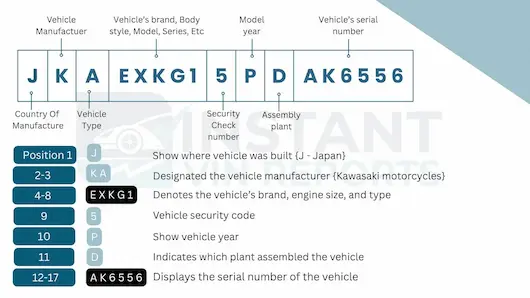
Since 1981, most Kawasaki road vehicles have used the same basic 17-character layout adopted across the industry. These three sections are called WMI, VDS, and VIS. Below is a simple breakdown of the Kawasaki VIN number:
WMI (World Manufacturer Identifier)
The first three characters of a Kawasaki VIN form the WMI. This block identifies the manufacturer and region.
- The 1st character shows the country or broad region of origin. For example, the letter “J” is commonly used for vehicles built in Japan.
- The 2nd and 3rd characters, combined with the first, point to the specific manufacturer and sometimes the vehicle type. For Kawasaki, WMIs such as JKA and JKB are assigned to Kawasaki Motors, with codes used on motorcycles assembled in different plants or regions.
So when you see a VIN starting with something like JKA…, you’re very likely looking at a Kawasaki built under that Japanese WMI block.
VDS (Vehicle Descriptor Section)
Characters 4th – 9th make up the VDS, and this part describes the Kawasaki itself. In this block, Kawasaki encodes things like:
- model or series code (e.g., Ninja, Vulcan, KLX)
- body or vehicle type (e.g., street bike, off-road, ATV, side-by-side)
- engine group or displacement family
- restraint or equipment details where applicable
The 9th character is usually a check digit on vehicles built for markets such as North America. It’s calculated using a formula defined in regulations, and it helps catch typing errors or obvious tampering. You don’t have to do any of that math by hand. Our Kawasaki VIN decoder validates the check digit in the background and warns you if the VIN structure is not valid.
VIS (Vehicle Identifier Section)
Characters 10th – 17th form the VIS, and this is where the VIN zooms in on the exact machine. Here are the detailed information of this section:
- The 10th character encodes the model year, using the same international year-code sequence that car and bike makers share.
- The 11th character shows the assembly plant, using internal plant codes defined by Kawasaki (for example, plants in Japan, the U.S., Thailand, or Indonesia for certain models).
- Characters 12–17 are the serial or production sequence number. This doesn’t tell you the colour or every option, but it does make that particular Kawasaki unique in the production run.
Where to Find the VIN on a Kawasaki?
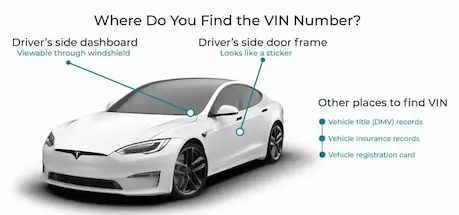
Here are the most common spots to check for a Kawasaki VIN number lookup:
- Steering head/frame neck: On most Kawasaki motorcycles, the VIN is stamped into the right-hand side of the steering head (the part of the frame where the front fork and handlebars pivot).
- Main frame rails or cross-members (ATVs and side-by-sides): For Kawasaki ATVs and side-by-side vehicles, the exact spot can vary by model, but it will usually be on the metal frame, not on plastic body panels.
- Engine casing (supplemental number): Many Kawasaki engines also carry a separate engine number on the engine cases.
- Registration and official documents:You can still find the Kawasaki VIN on the registration certificate, title documents, insurance papers, and in dealer or service records.
- Older or restored vehicles: On some classic Kawasakis, especially those built before the modern standard, the frame or chassis number may appear on a riveted plate or in less obvious spots on the frame.
What Information Can You Get from a Kawasaki VIN Decoder?
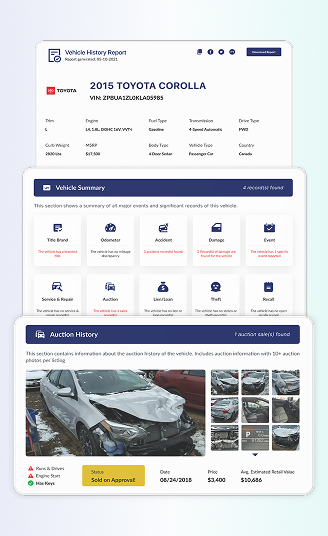
When you run a Kawasaki VIN number lookup with Instant VIN Reports, that code turns into clear information about the bike’s past life. Below are the main sections you’ll see in a full report for your Kawasaki.
Vehicle Specifications
This part of the report explains what your Kawasaki really is on paper. For someone who did not grow up with motorcycles, this is a lifesaver. You see if the bike is the exact trim the seller claims, if the engine size matches, and whether it was built for your market. With the free Kawasaki motorcycle VIN decoder, you already get the key specs.
Ownership History
Every Kawasaki has a story. The ownership history section shows you the available data on how many times the bike or ATV has changed hands, and in which states or regions those transfers were recorded. If you are buying from a private seller, this helps you see whether the Kawasaki was a long-term keeper or something that bounced from owner to owner.
Lien / Loan Check
If there is an active lien and you buy the bike without knowing, the lender could still have a legal claim to it. This part of the Kawasaki VIN number lookup gives you peace of mind that you are not riding into someone else’s bank problem.
Recalls Check
Manufacturers and safety agencies issue recalls when they find defects that could affect safety or reliability. Your Kawasaki VIN decoder report shows whether the Kawasaki VIN is linked to any open or past recalls and if those recall campaigns are still incomplete.
Auction History
Auction history shows if a Kawasaki bike or ATV has gone through dealer or salvage auctions. These entries can include photos, announcements, or condition notes from the time it crossed the block. If your Kawasaki VIN check shows multiple auction appearances in a short period, that might hint at ongoing issues or speculative flipping.
Sales History
Sales history ties everything together by showing past sale dates and sometimes the regions or sellers. It can suggest whether the Kawasaki has bounced between states, countries, or types of owners. For collectors chasing a particular generation of Kawasaki Z bike or vintage two-stroke triple, this history adds to the story.
Service & Maintenance Records
Service and maintenance records show if a Kawasaki has had a recorded regular oil changes, tire replacements, major services, or recalls performed. A well-documented service history usually means a bike that was loved, not neglected.
Theft Records
Motorcycles are unfortunately popular targets for theft. The theft records section checks if that Kawasaki VIN has ever been reported stolen, or if it was recovered and put back into circulation. In some cases, bikes are stolen, restamped, and sold quickly.
Warranty Status
For newer Kawasaki motorcycles, ATVs, or Jet Ski models, the warranty status section can show whether the basic factory coverage might still apply. Knowing if a Kawasaki is still under warranty, or when that coverage ended, is useful both for peace of mind and negotiation.
Title Brand Records
See if the Kawasaki carrying the “clean”, “salvage,” “rebuilt,” “flood,” “junk,” or other title. The title brand record in your Kawasaki VIN decoder report shows if the bike was ever written off by an insurer or heavily damaged.
Accident Records
Even a tough Kawasaki can only hide so much. Accident records in the VIN report may show if the bike has been in a reported collision, hit an object, or been involved in a serious crash. For high-performance Kawasaki sport bikes, this section is especially important.
Damage History
Damage history goes beyond crashes. It shows you the available recorded events like flood damage, hail, fire, or other incidents that can seriously affect a Kawasaki’s reliability and safety. A motorcycle that sat in floodwater or had major structural repairs might look fine after a respray, but issues can appear later.
Why Use a Kawasaki VIN Decoder?
For many riders, it is a memory, a hobby, or even a part of the family. That is why our Kawasaki VIN decoder is built to go beyond basic specs. With one VIN, you can see detailed Kawasaki vehicle specifications, mileage history, title brands, theft checks, available auction photos, and more.
Our instant VIN reports are designed to be simple to read, even if you are not “good with computers”. You get the facts, in plain English, before you decide with your heart.
Who Can Benefit from Using a Kawasaki VIN Decoder?
Anyone who touches a Kawasaki. Buyers, sellers, dealers, restorers, and even family members inheriting a bike they know nothing about.
For Buyers
- Confirming the exact model and trim of the Kawasaki.
- Checking if the mileage history looks realistic.
- Seeing if the bike has any salvage or rebuilt title brands.
- Spotting records of serious accidents or structural damage.
- Checking for active liens so you do not buy someone else’s loan.
For Sellers
- Prove your Kawasaki’s model year and correct trim.
- Show that the bike has clear title records and is free of liens.
- Provide transparency about any past damage or repairs.
- Support your asking price with market value data.
- Potentially sell faster and closer to your target price.
For Dealers
- Screen trade-ins and auction purchases before bidding high.
- Avoid accidental purchases of branded or flood-damaged bikes.
- Document disclosure for customers and regulators.
- Train new sales staff using real-world reports as teaching tools
- Price each Kawasaki realistically based on history and value.
How to Use the Free Kawasaki VIN Decoder?
To use the Kawasaki VIN Decoder, you will need to have the VIN first. Then follow these simple steps:
1) Find the VIN
The first thing you need to do is find the VIN. You can find the VIN on your vehicle or in your registration/insurance papers.
2) Fill in the Form
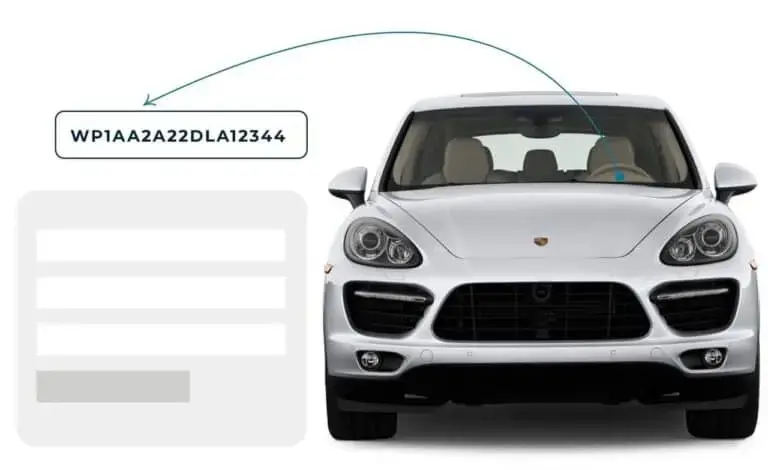
Go to Instant VIN Reports and choose the Kawasaki VIN decoder. Type the VIN into the form above exactly as it appears, without spaces. And submit the VIN.
3) Get the Report
You’ll see a free preview including the specs, year, make, model, trim, and other core specs. If you want the whole picture, you can order the complete instant VIN report with ownership records, mileage timeline, accidents, title brands, and more.
Free Kawasaki VIN Decoder vs. Paid Kawasaki VIN Decoder
A free Kawasaki VIN decoder is a good starting point. It confirms that the VIN is valid, shows the year, make, and model, and provides basic specs and value information. For a quick check, that may be enough.
But when you are about to spend real money on a Kawasaki, or you are trying to justify your asking price, the full paid report goes deeper. It combines VIN decoding with history data from titles, auctions, sales, and other records.
Here is the comparison of each feature:
| Feature | Free VIN Decoder | History Report (Paid) |
|---|---|---|
| VIN decoding for all vehicle types | ||
| Year, make, model, trim | ||
| Full vehicle specifications / detailed car specs | ||
| Market value snapshot | ||
| Sales listings (current/online ads) | ||
| Sales history (timeline of past listings/sales) | ||
| Auction records (when available) | ||
| Auction history with photos | ||
| Mileage during auction/sales (when available) | ||
| Odometer rollback checks | ||
| Ownership history | ||
| Vehicle usage type (personal, fleet, rental, commercial) | ||
| Title brand records (salvage, rebuilt, flood, lemon, etc.) | ||
| Lien & loan records | ||
| Accident & damage history | ||
| Theft / stolen records | ||
| Flood/hail/fire damage checks | ||
| Service/repair records | ||
| Warranty status & coverage | ||
| Recall information |
Decode VIN by Other Manufacturers
 Alfa romeo
AM general
Aston Martin
Audi
Austin Healey
Avanti Motors
Bentley
BMW
Bricklin
Bugatti
Buick
Cadillac
Chevrolet
Chrysler
Daewoo
Daihatsu
Datsun
Dodge
Eagle
Ferrari
Fiat
Fisker
Ford
Freightliner
Genesis
Geo
GMC
Harley Davidson
Hino
Honda
Hummer
Hyundai
Infiniti
Isuzu
Jaguar
Jeep
Kawasaki
Kenworth
Kia
Koenigsegg
Lamborghini
Land Rover
Lexus
Lincoln
Lotus
Maserati
Maybach
Mazda
McLaren
Mercedes Benz
Mercury
MG
MINI
Mitsubishi
Morgan
Nissan
Oldsmobile
Panoz
Peterbilt
Plymouth
Polestar
Pontiac
Porsche
Rolls-Royce
Ram
Saab
Saleen
Saturn
Scion
Shelby
Smart
Subaru
Suzuki
Tesla
Toyota
Triumph
Volkswagen
Volvo
Yamaha
Alfa romeo
AM general
Aston Martin
Audi
Austin Healey
Avanti Motors
Bentley
BMW
Bricklin
Bugatti
Buick
Cadillac
Chevrolet
Chrysler
Daewoo
Daihatsu
Datsun
Dodge
Eagle
Ferrari
Fiat
Fisker
Ford
Freightliner
Genesis
Geo
GMC
Harley Davidson
Hino
Honda
Hummer
Hyundai
Infiniti
Isuzu
Jaguar
Jeep
Kawasaki
Kenworth
Kia
Koenigsegg
Lamborghini
Land Rover
Lexus
Lincoln
Lotus
Maserati
Maybach
Mazda
McLaren
Mercedes Benz
Mercury
MG
MINI
Mitsubishi
Morgan
Nissan
Oldsmobile
Panoz
Peterbilt
Plymouth
Polestar
Pontiac
Porsche
Rolls-Royce
Ram
Saab
Saleen
Saturn
Scion
Shelby
Smart
Subaru
Suzuki
Tesla
Toyota
Triumph
Volkswagen
Volvo
Yamaha
Frequently Asked Questions about the Kawasaki VIN Decoder
How do I identify my Kawasaki bike?
You can identify your Kawasaki bike mainly by its VIN (Vehicle Identification Number) and model code. This is usually stamped on the steering neck of the frame. Running this VIN through a decoder will instantly show you the machine’s precise model line (like Ninja or Vulcan), engine family, and true model year.
Once you have the VIN, a Kawasaki VIN lookup will show you the model line (e.g., Ninja, Vulcan, KLX), engine family, body type, and model year.
How do I decode my bike's VIN number?
To decode any bike’s VIN number, simply take the full 17-character number from the frame or title and paste it into an online VIN decoder. The decoder breaks the code down to reveal the manufacturer, specific model details, and the year of manufacture, saving you from a tedious manual lookup.
You can look up these codes manually, but it’s much easier to paste the VIN into an online VIN decoder such as Instant VIN Reports. In a few seconds, you’ll see clear specs, and you can upgrade to a full history report if needed, whether you have a standardized 17-character VIN or a classic VIN.
How to decode the Kawasaki VIN number?
To decode a Kawasaki VIN manually, reference charts for the meaning of each position: the first three characters indicate the manufacturer and region, the next six describe the model and engine, and the final eight provide the year, plant, and serial number.
Instead of guessing from charts, just run a Kawasaki VIN decoder on Instant VIN Reports. Type the VIN and get easy-to-read details of your Kawasaki’s specs, and if you need deeper information, a full Kawasaki history report with mileage, title brands, accidents, and more.
How to decode a Kawasaki engine number?
To decode a Kawasaki engine number, you should find the engine number on the engine housing tag. This number identifies the specific engine model (e.g., FX850V) and often includes a configuration code. This tells you the engine type and displacement, which is crucial for parts, and lets you verify if the engine is the original factory unit.