
Free Saturn VIN Decoder Lookup Classic Saturn Now
Not sure what Saturn you’re really looking at? Start with a quick, free Saturn VIN decoder to confirm the car’s identity and factory details. For deeper insight, such as ownership history, lien records, and accident reports, upgrade to a complete vehicle history report. Simply enter the VIN and get started!
What is a Saturn VIN Decoder?
A Saturn VIN decoder is a tool that reads the VIN (Vehicle Identification Number) and translates it into plain details about the vehicle. For most Saturns, that means a 17-character code that can point to the manufacturer group, model year, assembly plant, and vehicle attributes like body style and engine family.
It’s the same idea as “reading the car’s ID card,” just faster than doing it by hand. And if you’re dealing with older vehicles that don’t follow the modern 17-digit standard (pre-1981), Instant VIN Reports can still decode many classic VIN formats ranging from 5 to 14 characters.
Why Decode a Saturn VIN?
A Saturn VIN decoder matters because the VIN is one of the things that should match the car's identity.
Verify the Original Model
Many Saturn vehicles have similar styling across different trims and model years. A VIN lookup confirms exactly which model you're viewing before making an offer.
Confirm the Original Engine
Saturn offered several four-cylinder and V6 engines throughout its history. Decoding the VIN helps verify the original powertrain before ordering parts or comparing listings.
Verify Production Information
Saturn vehicles were produced during General Motors' unique experiment with polymer body panels and customer-focused retailing. Decoding the VIN confirms important manufacturing details and production year.
Compare With the Seller's Description
A free VIN lookup helps identify differences between factory records and online listings, helping you ask better questions before inspecting the vehicle.
What Information Does a Saturn VIN Decoder Show?
Here is what you’ll find when you run our Saturn VIN decoder:
Manufacturer
Verify the vehicle was originally manufactured under the Saturn brand.
Model
Identify the exact Saturn model before comparing listings or ordering replacement parts.
Model Year
Confirm the production year before researching market value or compatible components.
Engine Specifications
Confirm the original engine size, fuel type, and factory configuration.
Transmission
Verify whether the vehicle originally came with a manual or automatic transmission.
Body Style
Identify the original sedan, coupe, wagon, SUV, crossover, roadster, or minivan body style.
Factory Specifications
Review key production information, seating configuration, manufacturing details, and other original specifications.
MSRP & Market Value
Compare the original MSRP with today's estimated market value before purchasing.
How to Use the Saturn VIN Decoder
Using the free Saturn VIN decoder is simple. You just need the VIN, a careful copy of the characters, and about a minute.
Enter the VIN
Enter the VIN into the Instant VIN Reports decoder form. Look on the VIN plate, the door area label, or your registration paperwork. Copy it exactly.
Search the VIN
After you fill out the form, our system will search the available information of your VIN in seconds. If you don’t have the VIN, you can search by using the U.S license plate.
Check the Vehicle Specs
View your quick VIN decode results. If you need deeper records, choose the premium report option.
How To Read a 17-Digit Saturn VIN Number
A Saturn VIN (Vehicle Identification Number) is a unique code assigned to a specific vehicle during manufacturing. In most cases, it is 17 characters made of numbers and uppercase letters, and it is used to identify the vehicle. See the Saturn VIN breakdown below:
Saturn VIN Positions Explained For: 1G8AJ55F27Z127618
WMI (World Manufacturer Identifier)
Position 1 (1)
For this VIN, 1 indicates the United States.
Position 2 & 3 (G8)
These characters identify General Motors Saturn Division, confirming the vehicle was originally manufactured as a Saturn.
VDS (Vehicle Descriptor Section)
Positions 4 to 8 (AJ55F)
Identifies the model, engine, body style, restraint system, transmission, and factory configuration.
Position 9 ()
Check digit
VIS (Vehicle Identifier Section)
Position 10 (7)
For this VIN, 7 indicates a 2007 Saturn.
Position 11 (Z)
Assembly plant
Positions 12 to 17 (127618)
Sequential production number
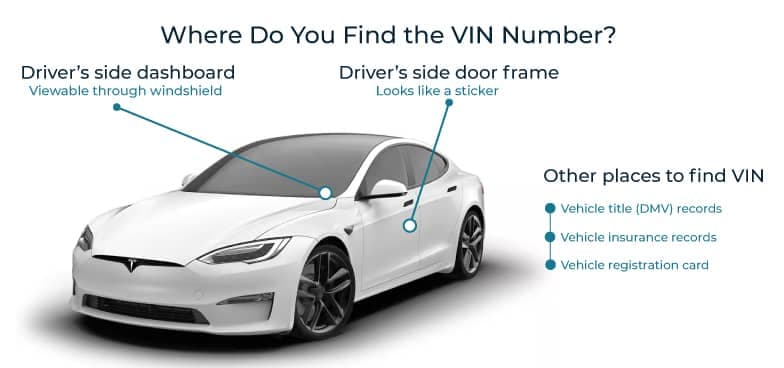
Where to Find the VIN on a Saturn?
The VIN location is not a mystery, but it does depend on whether you’re looking at the car itself or the documents. Start with the easiest exterior-view spot.
- Driver-side dashboard (viewable through the windshield): common, fast to check.
- Driver-side door jamb/door area label: also very common on modern vehicles.
- Vehicle documents (registration, title, insurance): useful when the car isn’t nearby.
- Service/maintenance paperwork: often repeats the VIN, but still verifies against the car.
Need To See More? Get the Full Saturn Vehicle History Report
A free Saturn VIN Decoder tells you how the vehicle left the factory, but it doesn't reveal everything that's happened over the years of ownership. Since every Saturn on the market today is a used vehicle. The premium report reveals details that aren't obvious from a seller's photos alone.
Vehicle Specifications
Saturn models often share similar body shapes across trims and years, which makes visual identification unreliable. A VIN-based specification check helps confirm the exact model year, body type, and configuration tied to that vehicle. This is especially helpful when comparing similar Saturn listings or ordering parts, where small differences can lead to costly mistakes.
Theft Records
Theft checks are about avoiding a nightmare purchase. If you buy a stolen vehicle, you can lose the car and the money. So yes, it’s worth checking. A Saturn VIN report with theft screening is a low-effort way to reduce high-risk outcomes.
Accident Records
Accident records help you understand reported crash events tied to the Saturn VIN. Not every incident is recorded everywhere, but when accidents are reported through the channels a report pulls from, you may see entries that suggest damage events, claims, or related history. A car can look decent and still have a past.
Damage History
Damage history includes recorded indicators tied to major events like floods, fires, or hail, when reported. These events matter because they can affect wiring, rust risk, interior electronics, and long-term reliability.
Service & Maintenance Records
Service and maintenance records (when available) can show whether the Saturn was cared for in a routine way or only repaired when something broke. You might see evidence of oil changes, inspections, or repair events depending on what’s been reported and captured. No records doesn’t always mean neglect, but having some records is better than guessing.
Auction History
Auction history matters because auctions are a common pathway for vehicles with issues, quick turnarounds, or dealer sourcing. If a Saturn shows auction activity, it doesn’t automatically mean “bad car,” but it can explain why a seller has it, how quickly it changed hands, and whether it was presented with notes or condition grades (when those details are available).
Sales History
Sales history focuses on listings and advertised sale activity tied to the Saturn VIN, when available. This is helpful because it can reveal repeated listings, sudden price drops, or a vehicle being sold again shortly after purchase. This section supports early screening, so you don’t waste weekends driving to see the wrong car.
Lien/Loan Check
A lien or loan flag matters because it can complicate ownership. If there’s still a recorded financial interest tied to the vehicle, the title situation can get messy. For any Saturn model like Saturn VUE or Ion, you’re buying from a private seller; this check is part of staying safe.
Title Brand Records
Title brand records help explain how the Saturn was classified over its life. Things like salvage, rebuilt, or other title brands can affect insurance, resale value, and how confident you feel about the vehicle. That’s the kind of information people wish they had checked before they paid.
Mileage History
Mileage history is about more than one number on the dash. The vehicle history report will show recorded odometer entries over time. If you see jumps, gaps, or a weird drop, it doesn’t automatically mean fraud, but it does mean you should slow down and ask why.
Free Saturn VIN Decoder vs Vehicle History Report
A free Saturn VIN decoder is perfect when you’re just trying to confirm the car’s identity. But once you’re close to buying, “basic info” stops being enough, and history starts mattering.
Feature | Free VIN Decoder | History Report (Paid) |
|---|---|---|
VIN decoding for all vehicle types | ||
Year, make, model, trim | ||
Full vehicle specifications / detailed car specs | ||
Market value snapshot | ||
Sales listings (current/online ads) | ||
Sales history (timeline of past listings/sales) | ||
Auction records (when available) | ||
Auction history with photos | ||
Mileage during auction/sales (when available) | ||
Odometer rollback checks | ||
Ownership history | ||
Vehicle usage type (personal, fleet, rental, commercial) | ||
Title brand records (salvage, rebuilt, flood, lemon, etc.) | ||
Lien & loan records | ||
Accident & damage history | ||
Theft / stolen records | ||
Flood/hail/fire damage checks | ||
Service/repair records | ||
Warranty status & coverage | ||
Recall information |
How Michael Avoided Buying the Wrong Saturn
Michael had been searching for a Saturn Sky Red Line, but most examples in his budget were located several states away. Instead of relying on the seller's description, Michael entered the VIN into the free Instant VIN Reports Saturn VIN Decoder before making travel plans.
VIN: 1G8AJ55F27Z127618
Initial Impression
- Found a Saturn advertised as a Sky Red Line at a competitive price.
- Seller highlighted performance upgrades and low mileage.
- Wanted to verify the original factory model before traveling to inspect it.
- Used the free VIN Decoder first.
Critical Findings
- The free VIN Decoder showed the VIN actually belonged to a 2007 Saturn Ion Level 2 Sedan with a 2.2L engine, not the performance roadster described in the listing.
- Curious about the vehicle's background, Michael upgraded to the full report and found a branded title, rental fleet history, one reported accident, damage records, auction history, six previous owners, and multiple lien records.
Outcome
Before spending time and money to inspect the vehicle, Michael discovered the listing didn't even match the VIN. The free VIN Decoder immediately exposed the discrepancy, while the premium Vehicle History Report provided additional insight into the vehicle's past. He avoided a wasted trip and continued searching for a genuine Saturn Sky Red Line.
Why 1 Million+ Drivers Choose Instant VIN Reports
Whether you're looking for an affordable commuter, a first car, or a well-preserved Saturn for a collection, Instant VIN Reports helps you verify factory specifications and uncover important history before you buy.
Trusted Vehicle History Data
Discover reported accidents, title brands, damage records, auction activity, mileage history, liens, and other important events from trusted automotive databases.
No Hidden Subscriptions
Run unlimited free Saturn VIN decodes whenever you need them. Upgrade only when you want a complete Vehicle History Report.
24/7 Customer Support
Need help understanding a Saturn VIN or interpreting your report? Our support team is available to assist.
Fast Results
Retrieve factory specifications within seconds, then unlock detailed ownership and vehicle history with a premium report.
Who Should Use a Saturn VIN Decoder?
A Saturn VIN Decoder helps buyers, owners, collectors, and sellers verify factory specifications before making important decisions. Since every Saturn is now a used vehicle, checking both the VIN and its ownership history is especially valuable.
Used Car Buyers
Verify the original model, engine, transmission, and trim before purchasing a used Saturn from a dealer or private seller.
Saturn Owners
Confirm factory specifications before ordering replacement parts, performing maintenance, or documenting your vehicle.
Collectors
Research discontinued Saturn models and verify originality before restoring or adding one to your collection.
Sellers
Build buyer confidence by providing verified factory specifications alongside your vehicle listing.
First-Time Buyers
Many Saturn models remain affordable first cars. A VIN lookup helps confirm you're purchasing the vehicle advertised by the seller.
DIY Mechanics & Restorers
Verify engine, transmission, and production details before sourcing compatible GM parts or beginning restoration work.
Supported Saturn Models
Our Saturn VIN Decoder supports every Saturn passenger vehicle sold during the brand's production years, helping buyers verify factory specifications before purchasing or maintaining a used Saturn.
| Astra | Ion | S-Series SC | S-Series SL | S-Series SW |
| Aura | L-Series | Vue | Outlook | Sky |
| Sky Red Line | Relay | Ion Red Line | Vue Red Line | Aura XR |
Frequently Asked Questions about Saturn VIN Decoding
How do I tell what model Saturn I have?
To know what Saturn model you have, check the VIN first, then match it with the vehicle’s trim/model info. The VIN can confirm the make and model year, and a decoder can often narrow the model line. If you want a quick and reliable result, run it through Instant VIN Reports and compare the results to your registration or title.
How do I do a Saturn VIN lookup?
To do a Saturn VIN lookup, type the VIN exactly as shown (usually 17 characters) into the decoder form, then review the results. A quick Saturn VIN lookup confirms basic identity first. If you’re buying, it’s smart to continue with a vehicle history report so you can check title brands, odometer patterns, and theft screening where available.
Is a Saturn VIN number decoder always 17 digits?
For modern vehicles sold for road use in the U.S., a VIN is a 17-character identifier. That’s the standard used on Saturn vehicles, since Saturn production years fall well after VIN standardization. If you ever run into an older classic vehicle (not Saturn), VIN formats can be shorter and not standardized.
Can I lookup my vehicle specs with VIN?
Yes, you can look up the vehicle specs with the VIN. A VIN decoding can provide general vehicle specifications and identifiers, and some reports can show more complete factory-style specs depending on what’s available for that VIN. If you’re comparing a Saturn model side-by-side and have a similar-looking trim, a VIN-based spec check is one of the cleanest ways to confirm.
Can I use a free Saturn VIN decoder before I buy?
Yes. A free Saturn VIN decoder is a good early filter to confirm the basics and avoid obvious mismatches. If the car still looks promising, upgrading to a full Saturn vehicle history report is the safer next step because it may include title brands, mileage records, and theft indicators when reported.
Can Instant VIN Reports decode pre-1981 VINs (classic cars)?
Yes. VIN formats before 1981 were not standardized and can be shorter or structured differently, so decoding can be trickier. Instant VIN Reports supports decoding many classic VIN formats, which helps collectors and older-vehicle owners who don’t have a modern 17-character VIN.