
Free Rolls-Royce Decoder From Latest Models to Pre-1980s VINs
Use our Rolls-Royce VIN decoder to confirm vehicle identity, factory specifications, and market value. Simply enter the VIN to begin a quick lookup. For deeper insight into past owners, title records, reported events, including accidents and stolen checks, upgrade to the full vehicle history report.
What is a Rolls-Royce VIN Decoder?
A Rolls-Royce VIN decoder is a checker for “identity and structure.” It reads the VIN format, confirms the sections, and pulls out what the code is designed to hold.
For Rolls-Royce buyers and collectors, the VIN is more than an identification number. It helps confirm authenticity, factory configuration, production details, and ownership confidence before serious money changes hands.
Why Rolls-Royce VIN Decoding Matters Before Buying
A Rolls-Royce VIN number does more than identify a vehicle; it verifies craftsmanship, production identity, and authenticity. Before acquiring a modern Ghost or a classic Silver Shadow, a free VIN decode from Instant VIN Reports helps confirm the vehicle matches its claimed specifications, especially in high-value private sales and collector transactions.
Assist Restoration Planning
Classic chassis decoding helps restorers source correct components and preserve originality.
Verify Vehicle Details
A VIN check confirms the exact year, model, engine, trim, and factory specifications so the car matches the seller’s listing and description.
Identify Production Series
Certain Rolls-Royce generations include subtle production updates that significantly influence value and ownership expectations.
Make Confident Decisions
Accurate VIN verification provides clarity before arranging inspections, transportation, or international acquisition logistics.
What Information Does a Rolls-Royce VIN Decoder Show?
A Rolls-Royce VIN decoder gives you a detailed snapshot of the vehicle’s factory identity. From model year and engine specifications to trim level and production details, the decoder helps buyers, collectors, and owners verify important information within seconds.
How to Use the Rolls-Royce VIN Decoder?
Rolls-Royce VIN structures contain valuable production information hidden within each character. Instant VIN Reports makes that information accessible without requiring technical knowledge.
Enter the VIN
Enter the Rolls-Royce VIN or classic chassis number exactly as shown on the vehicle documents or identification plate.
Check the Vehicle Specs
Review the free preview page to access available specifications, including model year, body style, engine configuration, drivetrain, trim series, and manufacturing details.
Get the Full VIN Report
Upgrade if you want deeper vehicle history insights, including accident records, title checks, liens, theft history, auction activity, ownership records, and more.
How To Read a 17-Digit Rolls-Royce VIN Number?
If you have never read a VIN before, don’t worry. It looks cryptic, but it follows a structure. Rolls-Royce VINs typically use the same three-part layout used by most modern manufacturers. Once you understand the sections, you can spot obvious issues quickly, like a VIN that does not fit the normal pattern.
Rolls-Royce VIN Positions Explained For: SCA664S5XFUX53018
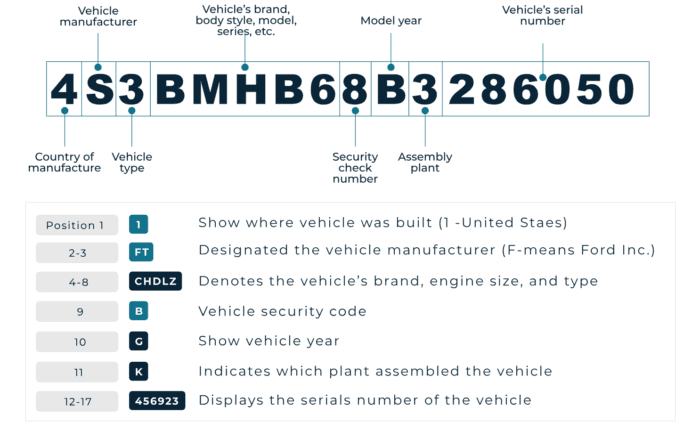
World Manufacturer Identifier (WMI)
World Manufacturer Identifier (Position 1)
S
United Kingdom (country/region code used in WMIs)
World Manufacturer Identifier (Position 2 & 3)
CA
Assigned manufacturer code used in the Rolls-Royce Motor Cars WMI pattern, commonly seen for passenger vehicles
Vehicle Descriptor Section (VDS)
Vehicle Descriptor Section (Positions 4 to 8)
664S5
Vehicle attributes (series, engine, restraint system, body)
Check Digit (Position 9 (X))
Check digit on vehicles built for markets where it is required (commonly used in North America).
Vehicle Identifier Section (VIS)
Vehicle Identifier Section (Position 10)
F
2015 model year
Vehicle Identifier Section (Position 11)
U
Assembly plant
Serial Number (Positions 12 to 17)
X53018
Serial production number
Classic Rolls-Royce VIN Decoder (pre-1981)
Owning a classic Rolls-Royce is rarely about transportation alone.
For many collectors, a vintage Rolls-Royce represents heritage, discretion, and a deeply personal expression of taste. Before adding one to a private collection, arranging restoration work, or finalizing an acquisition through a broker, decoding the chassis number is one of the most important verification steps you can take.
Classic Rolls-Royce vehicles did not follow a single universal VIN structure the way modern cars do today. Depending on the production era, your Rolls-Royce may use:
- 5-character chassis numbers
- 7-character factory serials
- 9–10 character coachbuilt identifiers
- Early alphanumeric production codes
The format itself often reveals the vehicle’s generation, production period, and factory configuration.
Early Heritage Era (1904–1925)
Typical 5–6 Digit Numeric Chassis Numbers Format
Examples: Silver Ghost, 10 HP, 20 HP, 30 HP
Early Rolls-Royce models used short numerical chassis identifiers before standardized VIN systems existed. These vehicles are highly collectible and often verified using factory production ledgers and coachbuilder documentation.
Phantom & Springfield Era (1925–1939)
Typical 5–7 Character Alphanumeric Chassis Codes Format
Examples: Phantom I, Phantom II, Phantom III, 20/25, Wraith
During this period, Rolls-Royce introduced more structured chassis coding with prefixes tied to production series, engineering revisions, and left- or right-hand-drive configurations. Springfield-built American cars may also use distinct identifiers.
Post-War Luxury Era (1946–1965)
Typical 6–9 Character Chassis Numbers Format
Examples: Silver Wraith, Silver Dawn, Silver Cloud I–III, Phantom IV & V
Post-war Rolls-Royce production became more standardized, though still highly bespoke. Chassis identifiers during this era often reveal:
- Wheelbase type
- Factory mechanical details
Silver Shadow & Corniche Era (1965–1980)
Typical 8–10 Character Alphanumeric Codes Format
Examples: Silver Shadow I & II, Corniche, Camargue, Phantom VI
This era introduced more detailed prefix structures, often encoded:
- Body style
- Drive orientation
- Bentley vs Rolls-Royce distinction
- Convertible or coupe configuration
Where to Find the VIN on a Rolls-Royce?
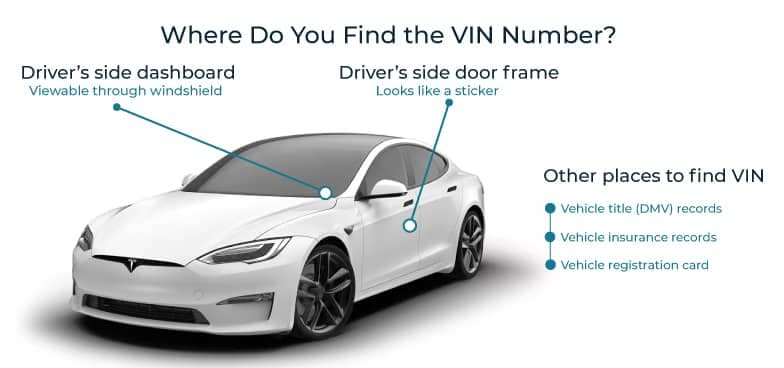
If you’re holding paperwork but not seeing the VIN on the car, that’s normal at first. Rolls-Royce VIN placement follows common industry patterns. Older classics may show a chassis number plate instead, so you may need to look in more than one place.
- Dashboard (driver-side, lower windshield area): Common on modern vehicles.
- Driver-side door jamb/door frame label: Often includes the VIN on a printed label.
- Engine bay area (varies): Sometimes shown on a plate or stamped location.
- Vehicle documents: Title, registration, and insurance paperwork typically list the VIN.
- Classic Rolls-Royce (older vehicles): May be on a dedicated plate or stamped metal area, like chassis plate / stamped chassis number, depending on era.
Need to See More? Get the Full Rolls-Royce Vehicle History Report
A Rolls-Royce deserves more than a quick glance. After using our free Rolls-Royce VIN decoder, many users choose to go deeper with a full vehicle history report. Here’s what that includes and why it matters.
Vehicle Specifications
Confirm the original factory details of the Rolls-Royce you are reviewing. This part includes core specifications such as engine configuration, transmission type, body style, and other manufacturer-recorded attributes tied to the VIN. Matching these specifications helps support authenticity and protects against misleading descriptions that could reduce long-term value.
Ownership History
See how many owners the Rolls-Royce has had and how long each kept it. Long-term ownership patterns can suggest more stable vehicle care. You will also see recorded locations and time frames, helping you understand how the vehicle has moved over the years.
Accident Reports
Review any reported accidents linked to the VIN. Details may include severity indicators, reported damage areas, and recorded dates. On a Rolls-Royce, prior structural damage can affect long-term value, repair authenticity, insurance assessments, and collector confidence, especially on low-production or bespoke-configured vehicles.
Mileage Records
Verify recorded odometer readings over time. Mileage inconsistencies can signal odometer discrepancies or reporting gaps. By reviewing the timeline of recorded mileage entries, you gain a clearer view of how the Rolls-Royce was driven and whether the numbers make sense for its age and ownership pattern.
Auction & Sales History and Photos
Check if the Rolls-Royce was sold through auction channels or online listings. You will see auction and sales-related data and historical photos taken during the sale process. These images can offer a rare look at the vehicle’s earlier condition and may reveal cosmetic or structural concerns not obvious in current listings.
Lien and Loan Records
Identify whether outstanding financial obligations are attached to the vehicle. Open liens or unresolved loans can delay ownership transfer or create legal complications after purchase. Reviewing this section in advance helps prevent unexpected financial disputes.
Title Brand Checks
Understand the vehicle’s title status clearly. See whether the Rolls-Royce has ever been reported as clean, salvage, rebuilt, branded, or otherwise altered. Title branding can significantly affect insurability, financing, and resale value. Knowing this beforehand allows you to make a measured decision.
Theft Records
Check for reported theft records in official databases. You can review reported theft dates, recovery status when available, and the reporting source. This helps confirm that the Rolls-Royce you are considering has not been flagged in ways that could affect registration or ownership.
Service and Maintenance History
Examine recorded service events connected to the VIN. This will include documented maintenance entries such as inspections, oil services, and repair events. A well-documented maintenance trail often reflects careful ownership, which is especially important in high-value luxury vehicles.
Recall Information
Check for manufacturer safety recalls associated with the VIN. This section may include recall dates, issue descriptions, and whether corrective actions were recorded. Staying informed about recall status supports both safety and long-term reliability.
Free Rolls-Royce VIN Decoder vs. Paid Rolls-Royce VIN Decoder
A free VIN check is helpful for quick screening. But serious buyers often require deeper context. Upgrade to a full history report for final decisions; full transparency matters.
Feature | Free VIN Decoder | History Report (Paid) |
|---|---|---|
VIN decoding for all vehicle types | ||
Year, make, model, trim | ||
Full vehicle specifications / detailed car specs | ||
Market value snapshot | ||
Sales listings (current/online ads) | ||
Sales history (timeline of past listings/sales) | ||
Auction records (when available) | ||
Auction history with photos | ||
Mileage during auction/sales (when available) | ||
Odometer rollback checks | ||
Ownership history | ||
Vehicle usage type (personal, fleet, rental, commercial) | ||
Title brand records (salvage, rebuilt, flood, lemon, etc.) | ||
Lien & loan records | ||
Accident & damage history | ||
Theft / stolen records | ||
Flood/hail/fire damage checks | ||
Service/repair records | ||
Warranty status & coverage | ||
Recall information |
How Jason Used a Rolls-Royce VIN Decoder Before Buying
Jason had been searching for the right Rolls-Royce Ghost for months. The car he found looked impressive, finished in a deep burgundy tone with a clean interior and attractive pricing. Before arranging transport or speaking seriously with the seller, he decided to start with a free Rolls-Royce VIN decode through Instant VIN Reports.
After reviewing the preview, Jason decided to purchase the full vehicle history report to understand what the car had been through before making a final decision.
VIN: SCA664S5XFUX53018
Initial Impression
- 2015 Rolls-Royce Ghost
- 6.6L V12 engine
- 6-speed automatic transmission
- Rear-wheel drive
- Original MSRP: $286,750
- Strong visual presentation
- Competitive asking price
Critical Findings
- Salvage title record found
- Vehicle previously titled to an insurance company
- Side damage history reported
- Auction record from March 2023
- Sold at auction for $68,500
- Three lien/loan records reported
- Fleet and lease usage history identified
- 82,275 recorded miles
- Auction photos showed visible damage
Outcome
- Requested additional repair documentation
- Reassessed the vehicle’s actual market value
- Used the report during price negotiations
- Avoided relying only on seller claims
- Made a more informed buying decision before purchase
Why 1 Million+ Drivers Choose Instant VIN Reports
From first-time luxury buyers to established collectors managing multi-car portfolios, Instant VIN Reports helps users verify Rolls-Royce vehicles with greater confidence before purchase.
High Accuracy, Cross-Checked Results
Vehicle data is cross-checked across multiple supported sources whenever available. This helps improve accuracy and reduce inconsistencies that sometimes appear in isolated VIN lookups.
No Hidden Fees or Subscriptions
You only pay if you choose to access a premium history report. There are no forced memberships, recurring subscription traps, or hidden charges attached to basic VIN decoding access.
Unlimited Free Checks
Users can perform free Rolls-Royce VIN decoding checks without subscription barriers. This makes it easier to verify vehicles early before deciding whether deeper historical research is necessary.
24/7 Customer Support
Questions about VIN decoding, classic chassis numbers, report access, or vehicle-history interpretation can happen at any time. Our support team is available around the clock to assist users.
Who Should Use a Rolls-Royce VIN Decoder?
A Rolls-Royce VIN decoder serves different groups for different reasons. Whether you are buying, selling, restoring, or managing inventory, decoding the VIN supports informed decisions.
Buyers
VIN decoding helps reduce the risk of buying incorrectly represented vehicles, especially during private collector or luxury dealership transactions.
Sellers
Verified vehicle details help sellers answer buyer questions more clearly and support premium asking prices.
Dealers
VIN decoding helps dealers confirm factory specifications, trim configurations, and production information quickly.
Classic Car Collectors
VIN decoding supports provenance research before adding rare Rolls-Royce models to private collections.
Restorers
Decoding helps restoration specialists understand factory configurations, engineering revisions, and production-era variations.
Insurers & Appraisers
Accurate VIN information supports more reliable appraisal reporting and luxury-vehicle insurance assessments.
Supported Rolls-Royce Models
Collectors, buyers, and restorers use our decoder to research everything from current-production Rolls-Royce models to rare heritage vehicles.
Popular Rolls-Royce Models
Verify the popular models of the Rolls-Royce model below:
Phantom Ghost Cullinan Wraith Dawn Silver Shadow Silver Spirit Silver Cloud Silver Ghost Corniche Camargue Park Ward
Supported Classic Rolls-Royce Models
Our classic Rolls-Royce decoder supports many historically significant models, including:
Rolls-Royce Silver Ghost Rolls-Royce Phantom I–VI Rolls-Royce Silver Wraith Rolls-Royce Silver Dawn Rolls-Royce Silver Cloud I–III Rolls-Royce Silver Shadow I & II Rolls-Royce Corniche Rolls-Royce Camargue Rolls-Royce Wraith (classic generation)
Frequently Asked Questions about Rolls-Royce VIN Decoding
Where is the VIN/chassis number located on a Rolls-Royce (Phantom, Ghost, etc.)?
On modern models, the VIN is typically visible on the driver-side dashboard near the windshield and on the door frame label. Classic models may display a chassis number plate. Always match it with official documents and run a Rolls-Royce VIN check for confirmation.
How do I decode the chassis number on a classic Rolls-Royce (Silver Cloud, Silver Shadow)?
Classic Rolls-Royce models may use shorter chassis numbers instead of modern 17-character VINs. Instant VIN Reports supports decoding many classic formats, helping collectors interpret identification details before restoration or purchase.
How can I verify the authenticity and provenance of a Rolls-Royce?
Authenticity begins with confirming the VIN or chassis number matches the physical vehicle and documentation. Then, you review ownership history, title records, and recorded vehicle events.
With a Rolls-Royce VIN check through Instant VIN Reports, you can access structured vehicle identification details with a full vehicle history report, which can reveal accident records, title brands, ownership indicators, and more that help support provenance research.
What’s the difference between a VIN and a chassis number on a Rolls-Royce?
Modern Rolls-Royce vehicles use a standardized 17-character VIN. Older models often use shorter chassis numbers. Both serve as vehicle identifiers, but formatting and decoding rules differ by production era.
Can I check the service and ownership history of a used Rolls-Royce with the VIN?
Yes, to an extent. A basic Rolls-Royce VIN decoder confirms identity and specifications. A premium vehicle history report can provide ownership indicators and recorded service entries when available in reporting systems.
While not every service event is publicly recorded, reviewing available mileage history, ownership count, and related records gives buyers a clearer picture before making a decision.
How do I decode the VIN for a modern Rolls-Royce (post-2003 BMW era)?
Modern Rolls-Royce vehicles follow standardized VIN structures. You can manually review WMI, VDS, and VIS sections, or use Instant VIN Reports to decode and interpret the VIN quickly and accurately.