
Free VIN Decoder For Any Oldsmobile VIN
Oldsmobile is a discontinued GM brand, so paperwork can get messy fast. A VIN check helps you see what your car really is. Run an Oldsmobile VIN free decoder and get full access to vehicle identity, including the year, model, engine, transmission, drive type, and other key factory specifications.
What is an Oldsmobile VIN Decoder?
An Oldsmobile VIN decoder is an online lookup tool that helps you interpret a VIN number’s sections. While VINs can be decoded manually, a dedicated VIN decoder reduces errors and speeds up the research process.
Many classic Oldsmobiles were built before VIN standards were unified. These vehicles often use shorter serial formats tied to GM plant and body records rather than modern VIN logic.
That’s why decoding an old Oldsmobile car requires a classic-capable system designed for older data structures, not a generic 17-digit tool. Instant VIN Reports can decode many Oldsmobile VIN formats and reveal available factory specifications and vehicle records.
Why Oldsmobile VIN Decoding Matters Before Buying a Car
Every Oldsmobile VIN number tells a story about the vehicle’s identity, configuration, and production history. Using the Instant VIN Reports Oldsmobile VIN decoder helps you verify critical details before buying, restoring, insuring, or selling an Oldsmobile.
Support restoration projects
Classic restorations become easier when you understand the vehicle’s original production details and specifications.
Verify vehicle details
Decode Oldsmobile factory information like body style, engine type, assembly plant, drivetrain, and production year directly from the VIN.
Protect your money
Checking the VIN before purchasing helps reduce the risk of overpaying for a vehicle with incorrect trim, engine, or production claims.
Validate engine combinations
Some Oldsmobile models were available with multiple engine options, making VIN verification important during restoration or resale.
What Information Does an Oldsmobile VIN Decoder Show?
From engine information to model identification, an Oldsmobile VIN decoder can reveal a surprising amount of information. The free preview is designed to help users verify important vehicle details in seconds.
How to Use the Oldsmobile VIN decoder
From classic Cutlass models to later Oldsmobile sedans, our VIN decoder helps uncover important vehicle information. Here’s how:
Enter the VIN
Type the Oldsmobile VIN into the decoder search field. Both modern 17-character VINs and many classic pre-1981 VIN formats are supported.
Check the Vehicle Specs
The free VIN decoding preview displays available specifications such as model year, engine type, body style, trim details, manufacturing plant, and other basic vehicle information.
Get the Full VIN Report
If you want deeper historical records, you can upgrade to access available accident records, title history, theft data, liens, mileage records, ownership events, and more.
How To Read a 17-Digit Oldsmobile VIN Number
Every section of a modern Oldsmobile VIN has a purpose. From the manufacturing region to the final production sequence number, the VIN acts as the vehicle’s fingerprint. Below is the example.
Oldsmobile VIN Positions Explained For: 1G3NB52J5X6337449
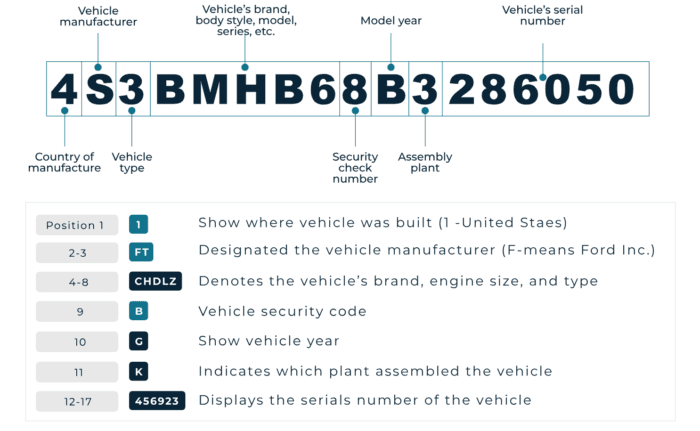
World Manufacturer Identifier (WMI)
Position 1 (1)
USA
Position 2 & 3 (G3)
General Motors - Oldsmobile division
Vehicle Descriptor Section (VDS)
Positions 4 to 8 (NB52J)
vehicle descriptor details (body/platform/engine/restraint/series)
Position 9 (5)
Check digit
Vehicle Identifier Section (VIS)
Position 10 (X)
1999 model year
Position 11 (6)
Assembly plant
Positions 12 to 17 (337449)
Sequential production number
Classic Oldsmobile VIN Decoder (Pre-1981)
Classic Oldsmobile VINs use shorter formats because VIN standardization did not exist before 1981. Depending on the model year, assembly plant, and vehicle line, classic Oldsmobile VINs may contain anywhere from 5 to 14 characters.
Unlike modern VINs, older Oldsmobile VIN structures were not always consistent across production years. Some classic VINs focus heavily on body style and engine information, while others emphasize assembly sequence and model series identification.
Because of these differences, decoding a classic Oldsmobile VIN requires a decoder that specializes in vintage VINs.
Classic Oldsmobile Model Year Codes
Classic Oldsmobile VINs often include year indicators, but these codes vary depending on production era. In many pre-1981 vehicles, the production year may need to be confirmed using:
- VIN structure
- trim tags
- cowl tags
- factory documentation
- production records
For an easier method, collectors often decode the old VIN with decoders that classic specialists in pre-1980s VINs, like Instant VIN Reports.
Different Oldsmobile Eras Used Different VIN Systems
Oldsmobile VIN formats changed several times before the industry adopted the standardized 17-character VIN system in 1981. Early Oldsmobile vehicles often used very short serial or chassis-based identifiers. As production evolved through the 1950s, 1960s, and 1970s, VIN structures gradually became more detailed but still lacked universal standardization.
Depending on the year, a classic Oldsmobile VIN may contain:
- 5-digit VINs
- 7-digit VINs
- 10-digit VINs
- 11-digit VINs
- 13-digit VINs
- 14-digit VINs
The VIN length frequently depended on:
- model generation
- production plant
- vehicle series
- assembly year
- engine configuration
Rather than using one universal format, Oldsmobile used different VIN structures depending on the production year and vehicle line. Because of this, decoding a classic Oldsmobile VIN requires understanding which VIN format was used during that specific era.
1965–1971 Oldsmobile VIN Format
Most Oldsmobile passenger vehicles built between 1965 and 1971 used a 13-character VIN structure. The VIN was organized into sections that identified the division, vehicle series, body style, model year, assembly plant, and production sequence number.
Real Example: Decoding a 1966 Oldsmobile VIN
Classic Oldsmobile VINs were not standardized like modern 17-character VINs. Instead, each character group identified a specific part of the vehicle, including the division, model series, body style, model year, assembly plant, and production sequence.
Let’s decode this real 1966 Oldsmobile VIN: 338676M418861
| VIN Section | Value | Meaning |
|---|---|---|
| 1 | 3 | Oldsmobile Division |
| 2–3 | 38 | F85 Cutlass / Cutlass Supreme Series |
| 4–5 | 67 | 2-Door Convertible |
| 6 | 6 | 1966 Model Year |
| 7 | M | Lansing, Michigan Assembly Plant |
| 8–13 | 418861 | Sequential Production Number |
1972 Oldsmobile VIN Format
For 1972, Oldsmobile retained a 13-character VIN but introduced a more detailed structure that explicitly included engine codes. Typical VIN structure:
| Position | Description |
|---|---|
| 1 | Oldsmobile division |
| 2 | Vehicle series |
| 3–4 | Body style |
| 5 | Engine code |
| 6 | Model year |
| 7 | Assembly plant |
| 8–13 | Sequential production number |
Documented engine codes (positions 5) include:
- H = 350 2-barrel V8
- J = 350 2-barrel V8 dual exhaust
- K = 350 4-barrel V8
- M = 350 4-barrel V8 dual exhaust
- U = 455 4-barrel V8
- V = 455 4-barrel V8 dual exhaust
- X = 455 4-barrel V8 (300 HP)
This was one of the first Oldsmobile VIN formats where the engine code became a dedicated VIN position.
1973–1979 Oldsmobile VIN Formats
Throughout the 1970s, Oldsmobile continued using VIN structures that identified the division, model line, body style, engine, model year, assembly plant, and production sequence number. Examples documented in Oldsmobile enthusiast and factory decoding references show consistent placement of these key identifiers.
What Changed in 1981?
Beginning with the 1981 model year, Oldsmobile adopted the federally standardized 17-character VIN system used throughout the automotive industry. The new format was introduced:
- World Manufacturer Identifier (WMI)
- Vehicle Descriptor Section (VDS)
- Check digit
- Vehicle Identifier Section (VIS)
- Standardized model year coding
- Standardized plant identifiers
This made VIN decoding more consistent across all manufacturers and eliminated many of the year-to-year format changes found in earlier Oldsmobile VIN systems.
Where to Find the VIN on an Oldsmobile?
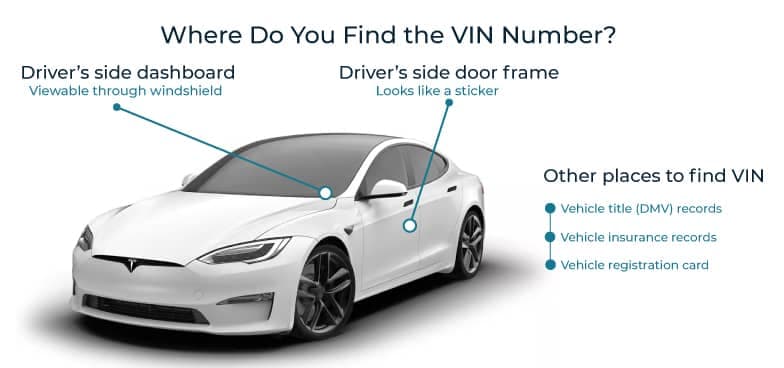
If your Oldsmobile is newer (17-digit VIN era), the VIN is usually in an easy-to-see location for safety and identification. Older classics can be different, so take it step by step.
- Driver-side dashboard (visible through the windshield): Common on many modern-era vehicles.
- Driver-side door jamb/door sticker: Often shows VIN and manufacturing details.
- Engine bay / under-hood labels or plates: Sometimes includes VIN-related identifiers.
- Vehicle paperwork (title, registration, insurance docs): Useful for cross-checking.
- Classic Oldsmobiles (pre-standard formats): You may find a VIN plate, body tag info, or stampings depending on year and model.
Need To See More? Get the Full Oldsmobile Vehicle History Report
An Oldsmobile VIN is more than a random string. It can help confirm what the vehicle is, and when you run a history report, it may also show the kind of life the car has lived.
Vehicle Specifications
This is the “what it is” part. A VIN decoder can confirm basic identity details like year, make, and model, plus common specs such as engine type, body style, and other manufacturer-reported information. It helps when you’re comparing listings, ordering parts, or trying to avoid a mix-up.
Ownership History
Ownership history is basically the “who had it before you?” section. A vehicle history report will show ownership transfers and timeline-style activity, depending on what is available in records. For an Oldsmobile, this matters because many of these cars change hands through private sales, collectors, estates, and auctions.
Mileage History
Mileage history is one of the simplest checks, and honestly, one of the most important. A report will show recorded odometer readings over time, which helps you spot inconsistencies. This is useful for any Oldsmobile, whether it’s a newer 17-digit VIN vehicle or a collector car where value depends heavily on condition and documented mileage.
Lien/Loan Check
A lien/loan check is about whether the vehicle may still have a financial claim attached to it. Not every listing mentions this clearly, and yes, it can become a headache after money changes hands. A full history report may flag lien or loan records when reported. For Oldsmobile buyers, this is especially relevant when the car is sold quickly or the paperwork feels rushed.
Accident Records
Accident records are about reported collisions that may affect safety, reliability, and resale value. A history report may show accident entries when they exist in available records. For an Oldsmobile, this can explain misaligned panels, odd paintwork, or “mystery” suspension issues that never quite feel right.
Damage History
Damage history is broader than accidents. It can include damage-event indicators like flood, fire, or hail when those show up in reporting channels. A premium report through Instant VIN Reports can show damage indicators when reported, so you’re not relying on a quick walk-around alone.
Recalls Check
Recalls are manufacturer-issued safety actions, and a VIN is commonly used to check them. A VIN check can help you see recall information and related details depending on what’s available. This is useful even for older cars because safety campaigns and parts updates can still apply in some cases.
Title Brand Records
Title brands are labels that can follow a vehicle through its paperwork, like salvage or rebuilt branding, depending on the jurisdiction and reporting. A history report will show the title status and title brand history when available.
Sales and Auction History
Sales and auction history can include sales and auction listing records, with timeline information when available. For an Oldsmobile collector car, this can help you judge whether the car has been sitting, bouncing between sellers, or steadily held.
Service & maintenance Records
Service and maintenance records can show reported repair or service entries when available. For an Oldsmobile, especially a collector-owned car, documented maintenance is often the difference between a confident buy and a risky one. Instant VIN Reports include maintenance/repair records when they appear in reporting sources.
Free Oldsmobile VIN Decoder vs Vehicle History Report
A free decode is like reading the book cover. Helpful, sure. But if you’re buying an Oldsmobile, the real risk is usually inside the history, not the badge.
Feature | Free VIN Decoder | History Report (Paid) |
|---|---|---|
VIN decoding for all vehicle types | ||
Year, make, model, trim | ||
Full vehicle specifications / detailed car specs | ||
Market value snapshot | ||
Sales listings (current/online ads) | ||
Sales history (timeline of past listings/sales) | ||
Auction records (when available) | ||
Auction history with photos | ||
Mileage during auction/sales (when available) | ||
Odometer rollback checks | ||
Ownership history | ||
Vehicle usage type (personal, fleet, rental, commercial) | ||
Title brand records (salvage, rebuilt, flood, lemon, etc.) | ||
Lien & loan records | ||
Accident & damage history | ||
Theft / stolen records | ||
Flood/hail/fire damage checks | ||
Service/repair records | ||
Warranty status & coverage | ||
Recall information |
How Veronica Decoded a Classic Oldsmobile VIN Online
Veronica had always wanted a classic Oldsmobile from the muscle car era. While browsing online listings, she came across a beautifully restored 1966 Oldsmobile convertible that appeared well-maintained and was advertised as a collectible example. Before contacting the seller, she wanted to verify the vehicle’s identity and learn more about its background.
Instead of relying solely on the listing description, Veronica entered the VIN into our VIN decoder to see what the VIN would show before making a purchase decision.
VIN: 338676M418861
Initial Impression
- Vehicle identified as a 1966 Oldsmobile
- VIN decoded successfully despite being a pre-1981 classic VIN
- Two-door body configuration confirmed
- Fisher Body manufacturing information identified
- 400 cubic-inch V8 engine listed
- Wheelbase, dimensions, and factory specifications available
Critical Findings
- A prior accident or vehicle damage record was reported.
- The accident was reported in Henderson, Nevada, on February 9, 2018.
- A lien record appeared in the vehicle history, prompting Veronica to confirm that any lien would be properly released before completing a purchase.
- Historical registration and title activity were available across multiple years and states.
Outcome
- Verified the vehicle’s identity before contacting the seller
- Confirmed important factory specifications
- Discovered historical accident information before negotiating
- Identified a reported lien record that required verification
- Reduced the risk of buying a classic vehicle blindly
- Used documented vehicle records to support a more informed purchase decision
Why 1 Million+ Drivers Choose Instant VIN Reports
Whether you’re buying a daily driver, researching a collector car, or verifying a classic Oldsmobile VIN, having access to reliable vehicle information can make all the difference. Our services are trusted by drivers, collectors, restorers, dealers, and enthusiasts because it combines modern VIN decoding with support for many classic VIN formats that standard lookup tools often cannot interpret.
High Accuracy, Cross-Checked Results
Vehicle information is cross-referenced through multiple data sources when available, helping reduce inconsistencies and improving confidence in the results you receive during the VIN lookup process.
No Hidden Fees or Subscriptions
You can decode a VIN without committing to recurring fees. Users maintain control over whether they want to continue with a more detailed vehicle history report.
Live Chat With VIN Experts
Need help understanding a classic Oldsmobile VIN or interpreting vehicle records? Our VIN specialists can help explain report details and guide users through the decoding process.
Unlimited Free Checks
Users can perform free VIN decoding to instantly view available vehicle specifications, production details, body style information, engine data, and other vehicle identification details before deciding whether additional records are needed.
Who Should Use an Oldsmobile VIN Decoder?
Oldsmobile buyers, sellers, and dealers often care about different things, but the VIN is the common starting point. It helps confirm the identity of classic cars like Oldsmobile.
Buyers
VIN decoding helps buyers compare the seller’s claims against available vehicle information, reducing uncertainty before completing a purchase.
Sellers
Providing decoded VIN information helps increase buyer confidence by presenting verified vehicle specifications alongside the sale listing.
Dealers
VIN decoding supports transparency by helping dealers provide buyers with verified vehicle information.
Classic Car Collectors
Classic Oldsmobile VINs can reveal important information that supports authenticity verification and historical research.
Restorers
Restoration projects often begin with VIN research to help identify original specifications and factory configurations.
Insurers & Appraisers
VIN decoding helps insurers and appraisers verify vehicle identity and available specification data during valuation reviews.
Supported Oldsmobile Models
We decode a wide range of Oldsmobile vehicles, from later 17-digit VIN models to classic pre-1981 Oldsmobiles with shorter VIN formats. Below are only some of the popular and collectible models our decoder supports.
Popular Oldsmobile Models
Here are some popular Oldsmobile models commonly searched and decoded through our VIN lookup tool.
Supported Classic Oldsmobile Models
We also support many classic Oldsmobile models that use shorter pre-1981 VIN formats.
Frequently Asked Questions about Oldsmobile VIN Decoding
How do I decode my Oldsmobile VIN for free?
To decode an Oldsmobile for free, use our free VIN decoder to translate the 17-character code into basic vehicle details. With Instant VIN Reports, you can start with an Oldsmobile VIN decoder free check in seconds, then move to a full history report if the car looks promising.
Where is the VIN located on a classic Oldsmobile?
On many vehicles, the VIN is commonly found on the driver-side dashboard near the windshield or on the driver-side door jamb area. For older classics, placement can vary, so it’s also smart to cross-check your title, registration, or insurance paperwork if you have it. Once you copy it carefully, you can run it through our decoders for a quick decode.
What information can I get from an Oldsmobile VIN decoder?
A VIN decoder can help confirm the vehicle’s identity and reveal key details tied to that VIN, such as manufacturer information, where it was built, and model-year-related data, depending on what is reported. It’s also useful as a first step before checking deeper history items like theft, title issues, or recalls through a full history report.
Is there a free VIN number lookup for old cars?
Yes. Instant VIN Reports offers free VIN decoding for many classic vehicles, including numerous Oldsmobile VIN formats that contain fewer than 17 characters.
How do I find my Oldsmobile's production year using the VIN?
For modern 17-digit VINs, the model year is part of the VIN structure in the 10th position, and decoders can return the year as part of the results. If you’re dealing with a classic Oldsmobile that’s pre-standard, the VIN format may not follow the same year-coding rules, so you may need a classic-style lookup instead. Instant VIN Reports supports both modern decoding and classic requests.
Can I get Oldsmobile factory options and RPO codes from the VIN decoder?
A VIN decoder confirms an Oldsmobile’s identity and core specifications, but factory options and RPO codes were not fully encoded in the VIN itself. For Oldsmobiles like the Cutlass, 88, and 442, original equipment details were documented separately at the factory.
If you want the clearest picture of how your Oldsmobile was originally built, our Oldsmobile window sticker lookup is the better choice to retrieve factory-installed options and equipment when available, helping buyers and collectors verify originality with confidence.
Does Oldsmobile have different VIN systems for different decades?
Yes, it can. Modern vehicles use the standardized 17-character VIN system, but older vehicles may have different formats and lengths. So a later Oldsmobile (closer to the 2000s) is usually straightforward to decode, while a much older one may need a classic lookup approach. That’s why our setup supports both modern VIN decoding and classic decoding requests.
What are common VIN lookup mistakes?
Common mistakes include entering incorrect characters, confusing similar letters and numbers, using incomplete VINs, assuming all VINs are 17 digits, and relying solely on seller-provided information without verification.
Why did Oldsmobile call it the 88?
The “88” designation was used as a model name within the Oldsmobile lineup and became one of the brand’s most recognizable series. The Delta 88 and Dynamic 88 remain among the most popular classic Oldsmobile models today.
What was the most sought after 442?
The Oldsmobile 442 is widely regarded as one of the brand’s most collectible performance models. Specific desirability can vary depending on production year, factory options, rarity, condition, and documentation.
Can a VIN verify a real Oldsmobile 442?
Our VIN decoding can help identify important production details, but verifying a true 442 may require additional documentation, such as trim tags, body plates, engine codes, and factory records, depending on the model year.
What does W30 mean in Oldsmobile?
W30 refers to a performance package used on certain Oldsmobile models. Depending on the year, W30 vehicles included performance-oriented engine and drivetrain enhancements that remain highly sought after by collectors.