

Plymouth VIN Decoder

Decode any Plymouth VIN to check car specs, history, mileage, and title records. Works for both classic Plymouth models and newer builds. Designed for buyers, collectors, and classic car enthusiasts.

10% OFF
question-mark Why do we need your phone number?
Why do we need your phone number?
We'll send your vehicle report or sticker link via text for easy access.
Our support team may contact you if we find issues with your report or sticker.
Your data is never shared with third parties.
Get 10% off your purchases by providing your phone number.

What is a Plymouth VIN Decoder?

Plymouth VIN decoder is a tool that interprets a VIN number and translates it into basic vehicle facts. The VIN number is meant to “encode” information about the vehicle, like where it was built, the model year, and other manufacturer details. 

Governments treat it as a standardized identifier for vehicles, not just a random serial number. That’s why a decoder is useful: it reads the structure for you instead of making you manually guess each character. If you want a quick decode, Instant VIN Reports can do it in seconds. 

What is a Plymouth VIN (Vehicle Identification Number)?

A Plymouth VIN (Vehicle Identification Number) is the identification code assigned to a vehicle during manufacturing. For modern vehicles, it is typically a 17-character mix of numbers and letters, and it is intended to be unique to that specific vehicle. 

Plymouth itself was a Chrysler brand, and it was discontinued after the 2001 model year. So you may see Plymouth-badged vehicles tied to Chrysler’s corporate identifiers in the VIN system.

If you want to decode it manually, you can, but it’s a bit like reading a map with tiny print. You’ll be checking sections (WMI, VDS, VIS), and you’ll need references for year codes and other standards. 

If you’d rather skip that and just decode your Plymouth VIN number quickly, Instant VIN Reports can do the heavy lifting for you, including classic pre-1981 numbers that aren’t 17 characters. Here’s the kind of information a VIN decode can help you confirm:

  • Country/region and manufacturer identifier basics
  • General vehicle details and identifiers used across the first part of the code
  • Model year and plant identifiers (more on that below)
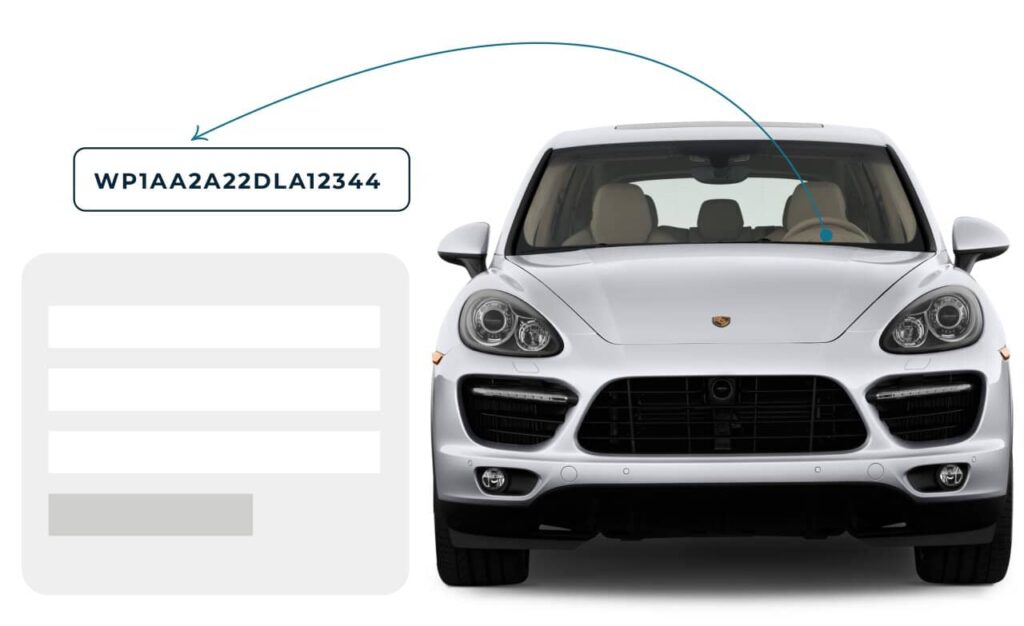
Diagram showing a 17-digit VIN located on the driver's side dashboard of a white SUV

How to Read a Plymouth VIN Number?

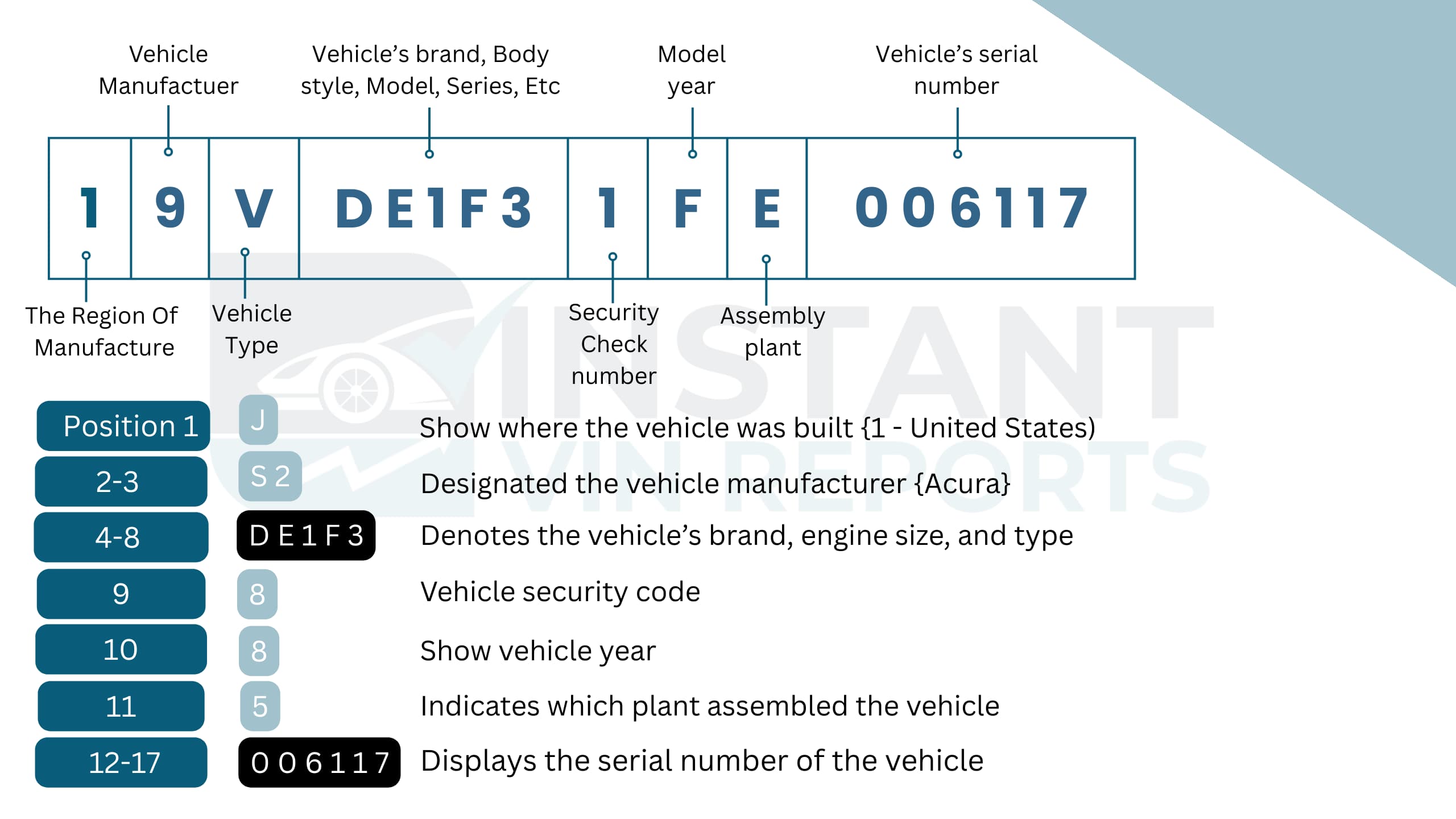
The VIN looks random until you learn it’s basically formatted on purpose. The first three characters point to the manufacturer group, the middle describes the vehicle, and the last part identifies the specific unit. After that, decoding is mostly about knowing where to look.

How to Read an Acura VIN Number?

WMI (World Manufacturer Identifier)

The WMI is the first three characters of the VIN. Its job is to identify the manufacturer and the region/country context. In plain terms, it tells you “who made it and where that manufacturer is registered,” before you even get into the details of the specific model.

WMI Character Meaning (Plymouth-focused)

Position 1 (Country/region code)

  • 1 = United States
  • 2 = Canada
  • 3 = Mexico

Position 2 (Brand/division identifier used within the manufacturer’s assignments)

  • P = Plymouth (commonly seen on Plymouth-badged vehicles in VIN systems)

Position 3 (Manufacturer’s internal category/division/vehicle type within that WMI block)

  • This character can be used as a division or vehicle category indicator, depending on the manufacturer’s WMI assignments.

Common Plymouth-related WMIs you may see

  • 1P3 (commonly associated with Plymouth passenger cars in the U.S.)
  • 2P3 (associated with FCA Canada WMI registrations; you may see this on Canada-linked builds)
  • 3P3 (associated with Chrysler de Mexico Toluca WMI registrations; you may see this on Mexico-linked builds) 

VDS (Vehicle Descriptor Section)

The VDS generally covers VIN positions 4 through 9. This is the part that describes the vehicle’s configuration as defined by the manufacturer, things like model line, body style, restraint system, engine, and other “descriptor” details. Importantly, manufacturers define much of this internally, and it can vary a lot by year and model.

VDS Character Meaning (positions 4–8, and 9)

  • Position 4–8: Manufacturer-defined descriptors (these can be letters or numbers, depending on the maker and year)
  • Position 9: Check digit (used to validate the VIN; it’s required in federal VIN rules for 17-character VINs)

Instant VIN Reports reads the VDS pattern for you, and also helps when you’re dealing with Mopar VIN decoder style searches across multiple Plymouth models (e.g., Barracuda, Duster, Road Runner, Valiant).

VIS (Vehicle Identifier Section)

The VIS is typically VIN positions 10 through 17. This section helps identify the specific vehicle and usually includes the model year, assembly plant, and a serial/production sequence number. This is the part people love when they’re trying to confirm if the paperwork matches the car.

VIS Character Meaning (positions 10, 11, 12–17)

  • Position 10: Model year code (standardized coding is widely used for modern 17-character VINs)
  • Position 11: Assembly plant code (assigned by the manufacturer)
  • Positions 12–17: Serial/production sequence number (the unique run number for that vehicle)

If your Plymouth is pre-1981, the VIN might be shorter than 17 characters and won’t follow the modern pattern cleanly. That’s normal. It’s one reason collectors often pair VIN work with things like a Plymouth fender tag decoder when they’re validating a classic. Instant VIN Reports can still decode many pre-1981 identifiers in a classic-friendly way. 

Where to Find the VIN on a Plymouth?

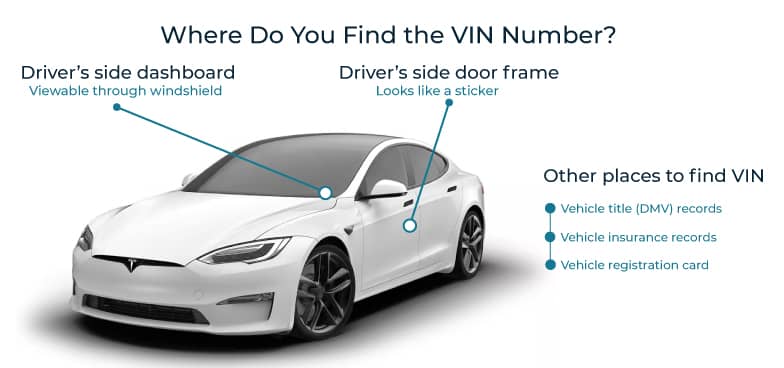
If you’re doing a Plymouth VIN lookup, first, you need the VIN in your hands. See some of these places below:

  • Dashboard near the windshield (driver’s side): Common on many vehicles.
  • Driver-side door jamb/door sticker area: Often listed on the door frame.
  • Vehicle paperwork (registration/insurance/title): Useful if the car isn’t nearby.
  • Older/classic Plymouths: You may find stampings on structural areas (frame/body) depending on year and model; classics don’t always follow modern “dash plate” expectations.
Diagram of car VIN locations: driver's side dashboard, door frame, vehicle title, insurance, and registration card.

What Information Can You Get from a Plymouth VIN Decoder?

Whether it’s a classic Barracuda or a later Plymouth model, a VIN check turns a confusing code into useful facts. It helps you avoid bad deals and protect your investment.

Vehicle Specifications

This section breaks down your Plymouth’s year, manufacturer background, model line, trim clues, engine setup, and country of origin. It’s the foundation, especially useful when you’re checking paperwork, restoring a classic, or just making sure the car matches the story you were told.

Accident Records

No one likes surprises. This part shows whether Plymouth has been involved in reported accidents. You’ll see how many times it was hit, when it happened, and where. It helps you judge safety risks and avoid cars with a rough past that could cost you later.

Previous Ownership

Curious how many hands your Plymouth passed through? This section outlines prior owners, how long they kept the vehicle, and where it was registered. Short ownership periods can be a red flag. Long-term ownership often means the car was cared for.

Damage Verification

This checks for reported damage beyond simple wear and tear. Floods, fire, hail, accidents, and structural issues can all show up here. It helps you spot serious problems that aren’t always visible during a quick inspection, especially on older or auction-sourced vehicles.

Auction Records

If the vehicle ever went through an auction, this section will tell you. You may see sale dates, price history, and sometimes condition notes or photos. Auction history can explain why a car is priced low or why it changed owners quickly.

Title Information

Titles matter. A lot. This section confirms whether the Plymouth carries a clean title or has been marked as salvage, rebuilt, or lemon. It’s one of the most important checks to do before money changes hands.

Loan or Lien Details

Nobody wants to buy a car with financial baggage. This section highlights any outstanding loans or liens tied to the vehicle. It helps you make sure the Plymouth is fully cleared before purchase, so ownership transfers cleanly.

Recall Notifications

Manufacturers issue recalls for safety reasons, even decades later. This section shows any open or past recalls related to the Plymouth, along with what actions were taken. It’s useful for safety, and sometimes for free repairs from the manufacturer.

Theft Status

This confirms whether the vehicle has ever been reported stolen or recovered. You’ll see reported dates and locations when available. It’s a crucial check to avoid legal trouble, especially when buying privately or across borders.

Mileage Verification

Odometer accuracy matters, especially for value and resale. This section compares recorded mileage over time and flags possible rollbacks or inconsistencies. It helps protect you from altered odometers and misleading listings.

Service and Maintenance Records

A well-maintained Plymouth usually leaves a paper trail. This section shows recorded service visits, maintenance dates, locations, and sometimes repaired components. It gives you a clearer idea of how well the vehicle was looked after.

Vehicle’s Past Usage

This reveals how the Plymouth was used in the past. Personal car, rental, fleet, government use, or commercial duty all affect wear and value. Knowing its past role helps you judge how hard the vehicle may have been driven.

Why Use a Plymouth VIN Decoder?

Plymouth vehicles have a long history, and many VIN tools are built for modern vehicles only, which often leaves classic Plymouth owners with incomplete or misleading results. Instant VIN Reports is designed to handle both modern and older Plymouth identifiers, making it more practical for collectors and restorers.

Instead of guessing or decoding manually, you get a clear report that helps confirm identity, history, and risks. That matters when the car is rare, valuable, or tied to old paperwork.

Who Can Benefit from Using a Plymouth VIN Decoder?

A Plymouth VIN decoder is useful for anyone who wants clarity before making a decision. Buyers want confidence, sellers want trust, and dealers need accuracy at scale.

For Buyers

  • Confirm Plymouth’s real identity and avoid buying a misrepresented vehicle
  • Avoid stolen Plymouth vehicles that could cause serious legal and financial trouble
  • Spot title problems early before committing money to a risky purchase
  • Check accident history to understand past damage and safety concerns
  • Verify mileage consistency and reduce the risk of odometer fraud

For Sellers

  • Prove honesty by sharing verified Plymouth vehicle information with buyers
  • Support the asking price using documented vehicle history and records
  • Answer buyer questions clearly without guessing or incomplete information
  • Avoid misunderstandings that could delay or cancel a sale
  • Close deals faster with fewer negotiations and fewer objections

For Dealers

  • Screen inventory quickly before listing Plymouth vehicles for sale
  • Reduce liability risks related to title, theft, or undisclosed damage
  • Identify problem vehicles before they enter dealership inventory
  • Protect dealership reputation by avoiding risky or misrepresented vehicles
  • Increase long-term credibility with repeat buyers and collectors

How to Use the Free Plymouth VIN Decoder?

Using a free Plymouth VIN decoder is simple and takes only a few minutes.

1) Find the VIN

Locate the Plymouth VIN on the dashboard, door frame, or paperwork like registration or title.

2) Fill in the Form

Enter the VIN into the decoder form carefully. Double-check characters to avoid errors.

3) Get the Report

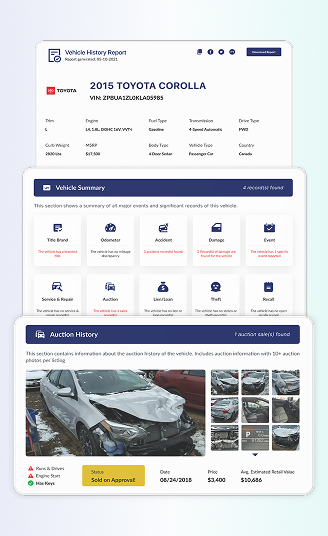
View basic vehicle details instantly, then decide if you want a full Plymouth vehicle history report.

Free Plymouth VIN Decoder vs. Paid Plymouth VIN Decoder

Free tools are good for quick checks. Paid reports are built for serious decisions. See the difference between free and paid reports below:

Feature Free VIN Decoder History Report (Paid)
VIN decoding for all vehicle types
Year, make, model, trim
Full vehicle specifications / detailed car specs
Market value snapshot
Sales listings (current/online ads)
Sales history (timeline of past listings/sales)
Auction records (when available)
Auction history with photos
Mileage during auction/sales (when available)
Odometer rollback checks
Ownership history
Vehicle usage type (personal, fleet, rental, commercial)
Title brand records (salvage, rebuilt, flood, lemon, etc.)
Lien & loan records
Accident & damage history
Theft / stolen records
Flood/hail/fire damage checks
Service/repair records
Warranty status & coverage
Recall information

Decode VIN by Other Manufacturers

Frequently Asked Questions about Plymouth VIN Decoder

Where is the VIN located on a classic Plymouth (e.g., Barracuda, Road Runner)?

The VIN is usually found on the dashboard near the windshield, door frame, or stamped on the body or frame for older Plymouth models. Once found, you can decode it using Instant VIN Reports.

What is a Plymouth “fender tag” and how do I decode it?

A fender tag is a metal plate showing factory build codes. While it’s not the same as a VIN, combining fender tag details with a VIN report gives stronger verification.

How can I tell if my Plymouth Barracuda is a real ’Cuda using the VIN?

The VIN helps confirm model year and production details. A VIN report is the first step before deeper authenticity checks.

Is there a difference between a VIN and a serial number on older Plymouths?

Yes. Older Plymouth vehicles may use serial numbers instead of modern VIN formats. Instant VIN Reports supports decoding many older Plymouth VINs and serial numbers, including pre-1981 formats. Record availability can vary by year and location, but this gives buyers a reliable starting point before deeper authenticity checks.

How do I decode the VIN on a 1970 Plymouth Road Runner or GTX?

Enter the VIN into a decoder that supports classic Plymouth formats. The report helps interpret year, plant, and production details.

Can I decode a Plymouth VIN for free online?

Yes, you can start with a free Plymouth VIN decoder for basic details, then upgrade if you need full history records.

How accurate are online VIN decoders for classic Plymouth models?

Accuracy depends on data coverage. Using a decoder that supports classic VIN formats improves results and reduces guesswork.