

RAM VIN Decoder

Lookup any 17-character RAM VIN numbers or classic RAM VIN/chassis numbers in seconds. Check specifications, including model, year, trim, options, engine, transmission, along with  build sheet, vehicle history & more.

10% OFF
question-mark Why do we need your phone number?
Why do we need your phone number?
We'll send your vehicle report or sticker link via text for easy access.
Our support team may contact you if we find issues with your report or sticker.
Your data is never shared with third parties.
Get 10% off your purchases by providing your phone number.

What is a RAM VIN Decoder?

A Ram VIN decoder is a translator for your truck’s identity. On its own, the VIN code looks random. But once you drop it into a Ram VIN decoder, it suddenly starts talking. It can tell you if the VIN belongs to a Ram pickup or van, which engine is inside, what transmission it left the factory with, and where it was assembled.

For someone checking a used Ram, this matters a lot. A Ram VIN lookup helps you double-check that the truck you see in front of you matches what the factory built. No guessing, no “trust me, bro”. Just data.

And honestly, if you’re into older iron and classic Dodge/Ram trucks with shorter VIN numbers made before 1981, services like Instant VIN Report can read many of those 5–14 digit VIN numbers as well, so you’re not left out.

What is a RAM VIN (Vehicle Identification Number)?

A Ram VIN (Vehicle Identification Number) is a unique code assigned to each vehicle so it can be clearly identified for its entire life. For modern Ram trucks, this VIN is a 17-character mix of numbers and capital letters, following the standard format used across the automotive industry since the early 1980s.

Before 1981, many vehicles (including older Dodge/Ram trucks) used shorter VINs, often between 8 and 14 characters, and the structure could vary between manufacturers. That’s why the VIN or chassis number of the classic Ram and Dodge trucks sometimes confuses people.

Checking the VIN is usually the first step when you’re buying a used Ram. Why? Because that small code can tell you:

  • If the vehicle matches its documents
  • Basic specs like engine type and body style
  • When used with a full vehicle history report, whether it has a record of accidents, title brands, and more

Instant VIN Reports also maintains a classic VIN decoder for many pre-1981 vehicles with shorter VINs, which can be especially useful if you’re dealing with older Dodge Ram trucks or export or import cases.

Free vin decoder

How to Read a RAM VIN Number?

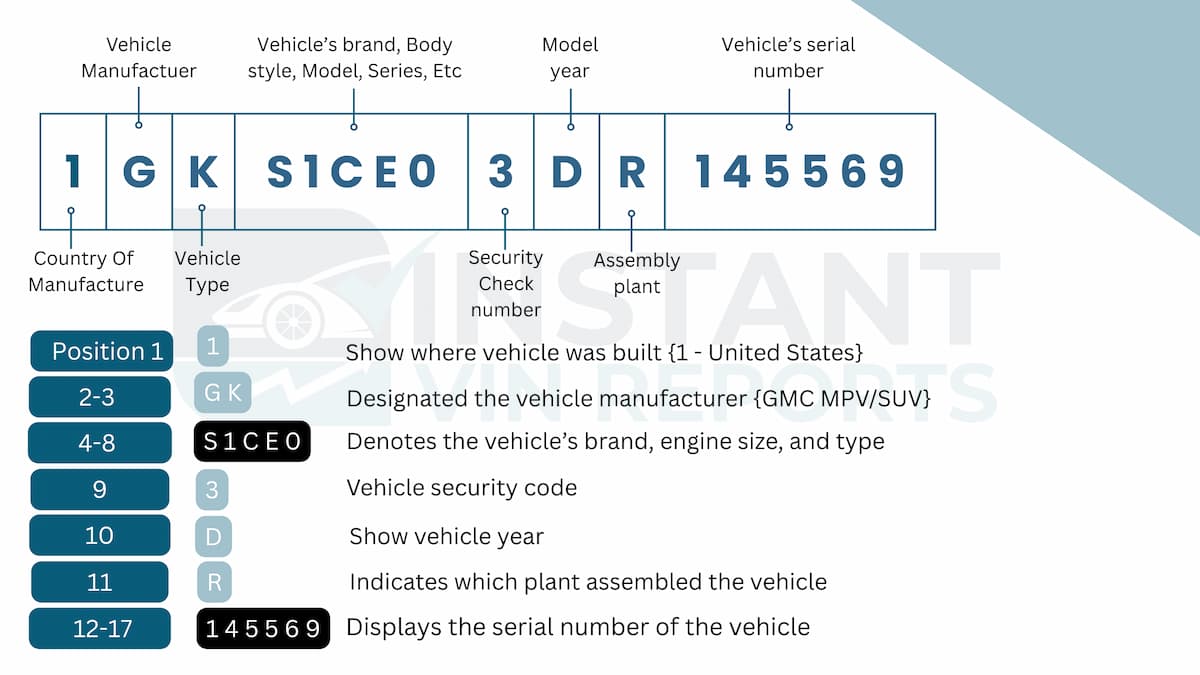
 Modern VINs are structured into three main sections:

  1. WMI: World Manufacturer Identifier (characters 1–3)
  2. VDS: Vehicle Descriptor Section (characters 4–9)
  3. VIS: Vehicle Identifier Section (characters 10–17)

Each part plays a different role. Let’s break down what each section is about:

How to Read a GMC VIN Number?

WMI (World Manufacturer Identifier)

The WMI is made up of the first three characters of the VIN and is used to identify the manufacturer and the region/country. This section tells you where the vehicle originates from.

For Ram trucks:

  • The first character usually shows the production region. For example, “1” often represents the USA, while “3” is commonly used for Mexico.
  • The second and third characters point to the manufacturer and sometimes the vehicle type. Chrysler/Ram truck WMIs like 1C6 and 3C6 are assigned to truck applications in North America.

So if you see a Ram VIN starting with 1C6, you’re likely looking at a Chrysler/Ram truck built in the US, while 3C6 is used for trucks produced in Mexico for the same group. This is useful when you want to confirm if the “American truck” you’re looking at is actually built in the US or in another plant in the region.

VDS (Vehicle Descriptor Section)

The VDS runs from the 4th to the 9th character. This part is used to describe the key attributes of the vehicle.

  • model or series
  • body style (e.g., regular cab, crew cab, van)
  • restraint system and sometimes engine type
  • other details that the manufacturer decides to encode

Each manufacturer uses its own internal logic here. That means each model of Ram has different patterns; for example, a Ram 1500 and a Ram ProMaster will have different patterns in this section, even though both are Ram vehicles.

In North America, position 9 inside the VDS is usually a check digit. It’s not a secret code you need to memorize, but it’s used to mathematically validate the VIN under federal rules. If the check digit doesn’t match the required calculation, the VIN may be mistyped or invalid.

For a buyer, reading the VDS manually can be tricky, which is why most people rely on a Ram VIN decoder to translate it into plain text: model, trim, sometimes engine, and safety equipment, depending on how Ram encoded that year.

VIS (Vehicle Identifier Section)

The VIS covers characters 10th–17th and is more about identifying the individual vehicle. Here’s what usually lives inside the VIS:

  • 10th character: model year
    • This character follows a standard pattern where letters and digits represent model years. See the list below of the 10th digit code and the meaning below:
10th Digit Model Year 10th Digit Model Year 10th Digit Model Year 10th Digit Model Year
A1980 M1991 22002 D2013
B1981 N1992 32003 E2014
C1982 P1993 42004 F2015
D1983 R1994 52005 G2016
E1984 S1995 62006 H2017
F1985 T1996 72007 J2018
G1986 V1997 82008 K2019
H1987 W1998 92009 L2020
J1988 X1999 A2010 M2021
K1989 Y2000 B2011 N2022
L1990 12001 C2012 P2023
  • 11th character: assembly plant code
    • Each plant, such as Ram’s facilities in Michigan or Mexico, used by Stellantis, has its own code. This character shows you which manufacturer is assembling your Ram vehicle.
  • Characters 12th –17th: serial or production number
    • This is the unique sequence that distinguishes one Ram from another built in the same year and plant.

Where to Find the VIN on a RAM?

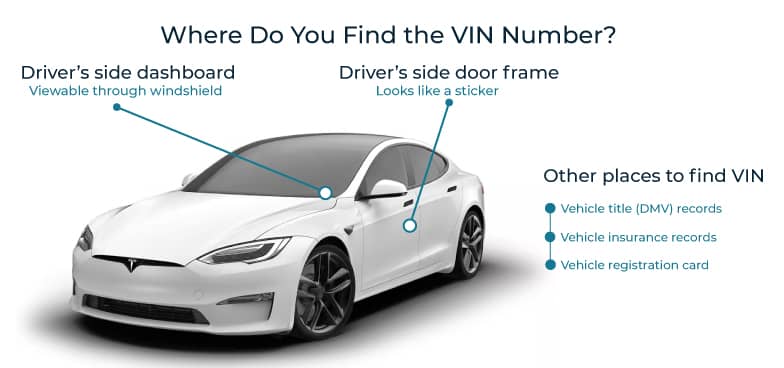
You don’t need special tools to find the VIN on a Ram truck or van. Manufacturers follow standard rules about VIN placement, and Ram (through Stellantis and the former Chrysler group) follows the same general locations used across the industry. You can usually find the Ram VIN in several places:

  • Driver’s side dashboard: Stand outside the truck and look through the windshield at the lower corner of the dashboard on the driver’s side. Most Ram VIN plates sit right there.
  • Driver’s side doorjamb: Open the driver’s door and look around the door jamb or frame. Ram often places a sticker or metal plate here with the VIN, build date, and other details.
  • Under the hood: On some Ram models, you may find the VIN on a tag or plate on the firewall (the panel between the engine bay and the cabin).
  • Chassis or frame area: Certain Ram trucks, especially older or heavy-duty ones, can have the VIN stamped directly on the chassis, usually near the front section on the driver’s side.
  • On your paperwork: Check your registration card, vehicle title, and insurance documents. If you can’t find it on the truck, you can often find it in the papers.
where can i find VIN

What Information Can You Get from a RAM VIN Decoder?

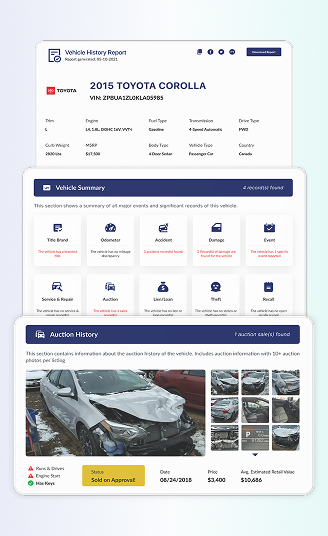
When you run that Ram VIN through Instant VIN Reports, you don’t just get the basic Ram VIN decoding. You can also see many important parts of the vehicle’s history. Below is some of the information you’ll usually see in a Ram VIN report. 

Vehicle Specifications

This is where the Ram VIN decoder starts. It turns the 17-character Ram VIN into plain information, including the year, make, model (e.g., 1500, 2500, ProMaster), trim, body style, engine type, transmission, drivetrain, and other core specs.

Mileage History

Seeing mileage points over time lets you spot possible rollback or “mileage washing”. For example, if a 2018 Ram 1500 shows 120,000 miles in one year and 60,000 miles the next, something is off. For older Ram or Dodge Ram trucks, even a few recorded readings can reveal whether the odometer seems realistic for its age.

Service & Maintenance Records

See the available data of the service and maintenance records, including the oil changes, brake jobs, major repairs, and dealer visits recorded under the Ram VIN. For classic Ram restorations, any documented service history is gold because it shows how carefully the truck was kept over the years.

Auction History

See if the truck went through the auction. The reports show you the condition details listed at the time. If a Ram shows up at salvage auctions with damage, then appears later on a used car lot looking perfect, you’ll understand why the price seems too good. Auction history also helps dealers and exporters see how often a particular Ram has been traded.

Title Brand Records

In a Ram VIN report, title brand records help you see if the Ram was ever written off as a total loss, badly flooded, or heavily rebuilt. A truck may look clean, but a branded title can affect safety, insurance, and resale value. For a collector or restorer, it’s important to know exactly what you’re working with.

Theft Records

Theft records check whether a Ram has ever been reported stolen or recovered. If a Ram is currently listed as stolen, that’s a huge red flag. Even if it was stolen in the past and then recovered, it’s useful to know, since it can affect the vehicle’s value.

Warranty Status

The Ram VIN report will show you the available data of the truck’s basic warranty information and details. For someone on a fixed income or careful budget, knowing the warranty status before buying a Ram can save a lot of stress.

Why Use a RAM VIN Decoder?

A Ram is often a long-term partner, not a disposable car. A simple “free Ram VIN lookup” that only shows the year and engine is not enough. With Instant VIN Reports, one Ram VIN decoder search can reveal specifications, ownership changes, mileage history, liens, title brands, accidents, theft records, auction data, recalls, and more, helping you judge whether that used Ram is ready to work or has been worked too hard already.

Who Can Benefit from Using a RAM VIN Decoder?

A Ram VIN check is not only for buyers. It helps private sellers, dealers, collectors, exporters, and people restoring or keeping an old Dodge Ram alive. When you decode the Ram VIN number, you give yourself facts instead of guesses.

For Buyers

  • See if any serious crashes or structural damage were ever reported for that Ram.
  • Compare mileage records over time to detect possible rollback or tampering.
  • Title brand records tell you if the Ram was ever declared salvage, junk, rebuilt, or flood-damaged.
  • Make sure there aren’t safety recalls waiting, and if there are, you can plan to have them fixed at a Ram dealer.
  • A Ram with an active lien can be trouble. The report alerts you before money changes hands.

For Sellers

  • Showing a Ram VIN report builds trust; buyers don’t need to “take your word for it” only.
  • Market value and clean history support a realistic price for your Ram.
  • Most private ads don’t include a Ram VIN history report, but by having the vehicle records, you can stand out from casual listings.
  • Serious buyers with the report in hand ask better questions and make faster decisions.
  • For older Dodge Ram trucks, any historic data you can show makes the vehicle more attractive to collectors.

For Dealers

  • Selling a Ram later found to be branded or stolen can damage a dealership’s name. Our history report helps avoid that and protects your reputation.
  • For overseas buyers who never see the Ram in person, a detailed VIN report is often a requirement.
  • Fewer surprises after the sale mean fewer complaints and buy-backs.
  • A clear Ram VIN report helps salespeople explain a truck’s story in simple terms.
  • With business plans and bulk usage, running Ram VIN checks on many units becomes practical.

How to Use the Free RAM VIN Decoder?

To use the free Ram VIN decoder, you first need the VIN itself. And follow these steps below:

1) Find the VIN

The first step to using the free Ram VIN decoder is to find the VIN. The VIN itself can be located in several areas in the Ram vehicle or the paperwork.

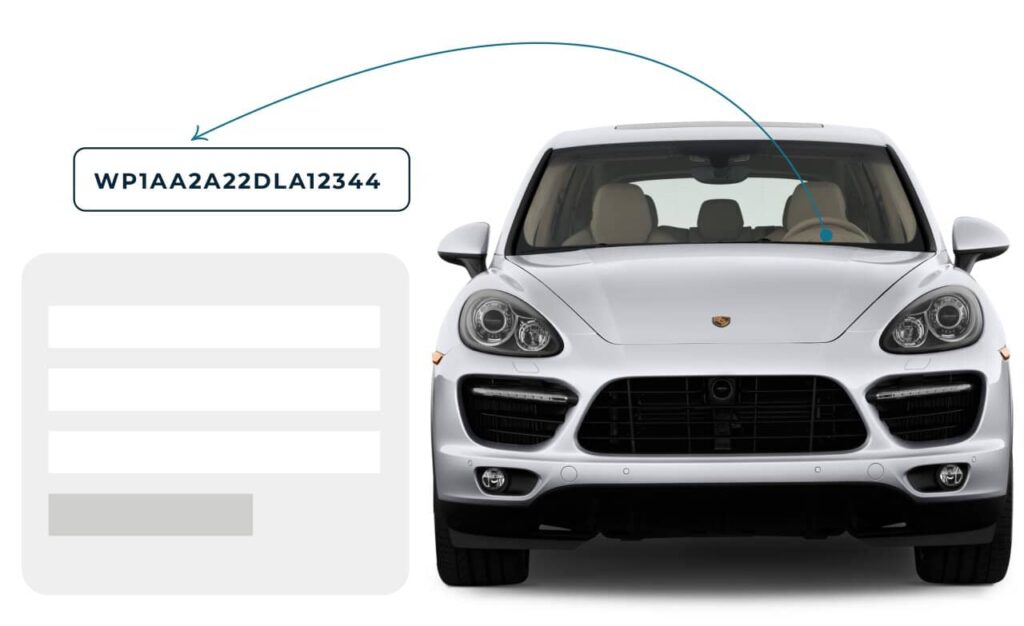
2) Fill in the Form

After you find the VIN, carefully type the Ram VIN into the form and double-check every character.

3) Get the Report

Within seconds, you’ll see the free Ram VIN decoding results on screen, including the model year, model, and other key specs. If you want the deeper Ram vehicle history (e.g., ownership, mileage, liens, auction photos, service records, and more), you can upgrade to the paid Ram history report

Free RAM VIN Decoder vs. Paid RAM VIN Decoder

Free tools are nice, but they don’t all do the same thing. Here is a comparison you can look at between the free and the paid report:

Feature Free VIN Decoder History Report (Paid)
VIN decoding for all vehicle types
Year, make, model, trim
Full vehicle specifications / detailed car specs
Market value snapshot
Sales listings (current/online ads)
Sales history (timeline of past listings/sales)
Auction records (when available)
Auction history with photos
Mileage during auction/sales (when available)
Odometer rollback checks
Ownership history
Vehicle usage type (personal, fleet, rental, commercial)
Title brand records (salvage, rebuilt, flood, lemon, etc.)
Lien & loan records
Accident & damage history
Theft / stolen records
Flood/hail/fire damage checks
Service/repair records
Warranty status & coverage
Recall information

Decode VIN by Other Manufacturers

Frequently Asked Questions about RAM VIN Decoder

How do I decode my Ram truck VIN number?

To decode your Ram truck VIN number, you first need the VIN. A modern Ram VIN has 17 characters made of numbers and capital letters. Once you have it, the easiest way to decode it is to paste it into the Ram VIN decoder like Instant VIN Reports. 

The tool will break the VIN into year, make, model, engine, body style, and other key details, and then show you a preview of the available Ram’s history. You don’t need to be a mechanic, the Ram VIN decoder does the “translation” for you.

How to decode a Dodge Ram VIN number?

When people say Dodge Ram VIN number, they’re usually talking about older trucks from the time when the Ram line still carried the Dodge badge. The idea is still the same, first you need to find the VIN, then run it through a Ram or Dodge VIN decoder by Instan VIN Reports. 

For classic Dodge Ram trucks with shorter VINs (pre-1981), Instant VIN Reports can decode it for you. That way, even your old workhorse can get a proper Dodge Ram VIN check.

Can I get a Ram’s specs from the VIN?

Yes, you can get a lot of Ram specs from the VIN. When you run a Ram VIN through our Ram VIN decoder, you’ll usually see the year, make, model, body style, engine size, fuel type, transmission type, drive type (2WD, 4WD), and sometimes extra details like bed length or series. 

This is very useful when a seller is not sure which exact Ram they own, or when you want to confirm that the truck really is the Ram 1500, 2500, or 3500 trim you’re paying for. The specs section of the Ram VIN report makes the truck’s identity very clear.

What trim package details does the Ram VIN decoder show?

The Ram VIN decoder can show the available data of the trim package when that information is available in the data for that VIN. That means it may tell you if the truck is a Tradesman, Big Horn, Laramie, Rebel, Limited, or other Ram trim level, along with things like engine and body style.

Seeing the trim from the Ram VIN helps you match what is on the badge or in the ad with what the factory actually built. So if you’re not sure what trim package a Ram has, a quick Ram VIN check is usually the easiest way to confirm it.