
Check a Vehicle’s Past With Colorado License Plate Lookup
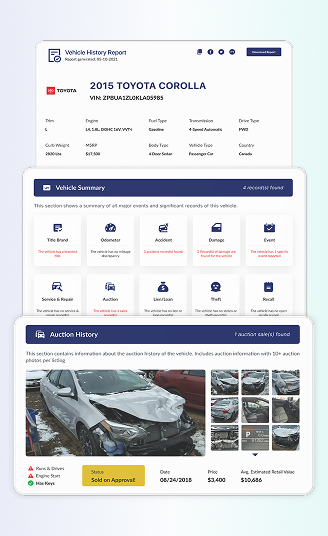
A Colorado license plate lookup helps you check a vehicle before you buy or sell it. By running the plate number and getting the vehicle history report, you can examine the vehicle’s records, such as accident, damage history, and much more!
What is a Colorado License Plate?
A Colorado license plate is issued for cars, trucks, motorcycles, trailers, and other registered vehicles in the state. The Colorado Department of Revenue assigns these plates to identify each vehicle and track its registration.
A Colorado license plate lookup lets you search a vehicle using its plate number. This helps confirm whether the details in a listing match official records before you agree to a deal.
With a trusted Colorado plate search, you can see details such as the vehicle’s make, model, year, title status, liens, mileage records, accident history, and more.
Why Should You Run a Colorado License Plate Search?
A Colorado plate lookup gives you important information before money changes hands. Whether you are buying or selling, it helps you make a better decision before purchasing a used vehicle.
Buying a Used Vehicle
Running a Colorado license plate lookup helps you understand what you are really buying. It shows ownership history, title brands, and any past problems tied to the vehicle.
Check Ownership and Title History
You can see how many owners the vehicle had and whether the title is clean, salvaged, or rebuilt. To help you make sure
Spot Past Issues Early
Accidents, damage, or strange record gaps can appear in the report, even if the car looks fine in person.
Selling a Vehicle
Sellers can use a Colorado plate search to support their listing with verified information. Clear records help buyers feel more confident and can speed up the sale.
Support Your Listing With Facts
Sharing a proper vehicle report answers buyer questions and adds credibility to your store and dealership.
Build Buyer Confidence
When buyers see clean and clear records, they are more likely to trust the deal and move forward.
Verifying Auction or Private-Party Listings
Not every listing tells the full story. A Colorado plate lookup helps you confirm that the vehicle details match what is being advertised.
Confirm Listing Accuracy
Compare the plate lookup results with the seller’s description to make sure nothing important is missing.
Avoid Misleading Descriptions
A report can get you the details if they are changed, hidden, or misrepresented. Always make sure that you do not accidentally purchase a stolen vehicle.
Avoid Hidden Problems
A vehicle history report is an important document that you should get before you decide to purchase a vehicle. It helps you check if it has hidden problems and fraud.
Check Hidden Damage
Check if the vehicle has hidden damage caused by either flood or accident. It might be repainted, but you can see if it hides any problems with a report.
Check the Legality
Ensure the vehicle is fully legal with a vehicle history report. In a report, you can examine if the vehicle was stolen or is still tied to a lien/loan.
Information You Will Find in Our Colorado License Plate Lookup Report
Our Colorado license plate lookup report gives you a full picture of the vehicle. It covers both basic details and history, like accidents, titles, and liens. This helps you avoid buying or selling a vehicle that has different problems.
Vehicle Specifications
This section shows the main details about the vehicle. It includes the engine, fuel type, transmission, and origin. These details help you check if the car fits your daily needs.
Ownership History
This part shows how many people owned the vehicle before. You can see purchase years, ownership length, and past locations. Personal data like names and addresses is hidden by law.
Title Status
This section explains the legal standing of the vehicle. It shows if the title is clean, salvage, rebuilt, or branded. Knowing this helps you avoid false registration, legality, and ownership issues.
Theft Records
This check shows if the vehicle was ever reported stolen. You can see when and where the theft was recorded. Even if you accidentally purchase a stolen vehicle, it can be seized, and you will not get your money back.
Accident Records
This part lists reported crashes linked to the vehicle. It shows how many accidents happened and where they occurred. Be sure to examine the car’s accident history to be aware if it has additional problems like structural or mechanical damage.
Mileage Verification
This section compares mileage records over time. It shows earlier and most recent odometer readings. This helps spot rollbacks, gaps, or mileage changes that do not match normal vehicle use.
Auction Insights and Photos
This section shows whether the vehicle was sold at auction. You can view the auction date, location, sale price, and status. Up to ten photos may be included to help assess the vehicle’s condition.
Lien or Loan Information
This part shows whether the vehicle has unpaid loans or financial claims. Active liens can prevent a legal ownership transfer. Always confirm that all liens are cleared before completing a purchase.
Warranty Coverage
This section shows whether factory or extended warranties are still active. It includes coverage types, mileage limits, and expiration dates. This helps you understand which repairs or services may still be covered.
Damage Records
This section lists damage caused by accidents or natural events. It may include floods, fires, or major impacts. These records help uncover issues that may not be visible during a basic inspection.
Maintenance Records
This section shows the reported service and maintenance history. It includes service dates, locations, and work performed. Consistent maintenance often indicates better reliability and care by previous owners.
Recall Information
This section shows whether the manufacturer issued a safety recall. You can see the recall reason, status, and repair action taken. Unfixed recalls may affect the vehicle’s safety and resale value.
How to Search a Colorado License Plate?
To check a Colorado license plate, you can use our Colorado license plate. Follow these simple steps to get it done and get a vehicle history report in Colorado:
Find the License Plate Number
To get started, you should have the license plate number of the Colorado plates you want to check. You may ask the seller directly or examine the vehicle’s front and rear sides.
Fill in the Form
Click on the form above, then fill out the form with the license plate number. Then, click on the “Search” button to submit the form.
Get the Report
Wait for a few seconds to get the report generated. Then, check on the preview page and download the report.
Can You Get a Free Colorado License Plate Lookup?
Yes, you can access limited vehicle details for free using a Colorado license plate lookup. A free Colorado license plate lookup can provide basic information to help you review a vehicle before buying, such as general specifications and registration-related details.
- Associated VIN number
- Year, Make, and Model
- Country of Origin
- Market Value
- Transmission Type
- Fuel Type
- Drive Type
- Body Type
- Trim Information
- MSRP
- Engine Specifications
- Dimensions
- Sales/auction history
- Market value
- Mileage
Colorado Laws on License Plates
In Colorado, vehicles must put their license plates on the rear and the front. The plates must be clean, illuminated at night, and securely attached to the vehicle (around 12 inches above the ground). Motorcycles, trailers, and autocycles only require a rear plate. Plates must be renewed each year, and failing to follow display rules, such as missing plates, can result in fines.
Security of Information in Colorado License Plates
Colorado license plate security covers both physical plate rules, including newer digital plate options, and how license plate data is handled. ALPR systems are regulated by law, with limits on data sharing, access, and retention.
Colorado License Plate Design and Format
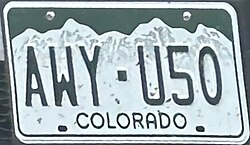
Colorado license plates follow a standard alphanumeric format (ABC-123) for passenger vehicles. They come in a variety of designs, from the iconic mountain scene to blackout plates, with options supporting causes, colleges, or historical events. To take care of vehicle licensing and registration, you must visit the Colorado DMV office.
Format and Serialisation
The California license plate design and format features a basic design with a white background and blue lettering, a red “California” is placed at the centre top, and “dmv.ca.gov” at the bottom. In 2026, the formatting for California license plates is changing from 1ABC123 to a mirrored 123ABC1 (three numbers, three letters, one number).
License Plate Design
In Colorado, there are several plate design options available, including standard-issue plates and a wide range of specialty plates. These designs are often inspired by the state’s landscapes, heritage, and causes, offering drivers the chance to show support for local organisations, institutions, and events.
Standard Design Plates
The standard Colorado license plate features the state’s name, along with a scenic mountain graphic. This is the most commonly issued plate; every registered vehicle in the state receives it.
Custom Designs
Drivers can personalise their plates with specific messages or designs that support organisations like wildlife conservation or educational institutions. Personalised plates must go through the Colorado DMV approval process.
Types of License Plates in Colorado
Colorado provides a broad selection of license plates, catering to different interests and needs. These include:
- Standard Plates: Featuring the state's "The Centennial State" slogan and mountain graphics.
- Specialty Plates: Available for causes such as veterans, wildlife conservation, environmental organisations, and educational institutions like the University of Colorado and Colorado State University.
- Commemorative Plates: Issued for special events, anniversaries, and historical milestones like the Colorado 150th Anniversary plate.
- Personalized Plates: Available with custom letters or numbers for drivers who want to make their plate unique.
- Veteran Plates: These special plates are available to military veterans and come with various design options, including plates recognising specific branches of the military.
- University Plates: For students, alumni, or supporters of Colorado’s colleges and universities, such as the University of Colorado Boulder or Colorado State University.
- Environmental Plates: Available to support causes like wildlife conservation or Colorado's clean environment initiatives.
License Plate Costs in Colorado
In Colorado, the cost of license plates is influenced by factors like vehicle weight, age, location, and whether you’re opting for a standard or specialty plate. Standard plates are included in the base registration fee, but specialty plates and personalized options come with additional costs.
- Standard Specialty Plates: Come with an additional one-time fee ranging from $25 to $50, depending on the design. There’s also an annual renewal fee, which is typically around $25 in addition to regular registration fees.
- Personalized Plates: For a custom license plate with your own message or combination of letters/numbers, the initial fee ranges from $50 to $70. This is a one-time fee, and there’s also an annual renewal fee of around $25.
-
Special Interest Plates: Colorado has special interest plates used to support different causes, such as:
- Veteran Plates: Available to military veterans, these come with a fee of around $20–$25.
- Environmental Plates: Plates supporting causes like wildlife conservation or the environment have an additional charge of around $25.
- Collegiate Plates: Plates for schools such as the University of Colorado, Colorado State University, and others typically cost $50 for the initial plate and have a renewal fee of $25.
License Plate Lookup by States
Our license plate lookup service can be used in other states, too, not just Colorado.
 Alaska
Arizona
Arkansas
California
Colorado
Connecticut
Delaware
Florida
Hawaii
Idaho
Illinois
Indiana
Iowa
Kansas
Kentucky
Louisiana
Maine
Maryland
Massachusetts
Michigan
Minnesota
Mississippi
Missouri
Montana
Nebraska
Nevada
New Hampshire
New Jersey
New Mexico
New York
North Carolina
North Dakota
Ohio
Oklahoma
Oregon
Pennsylvania
Rhode Island
South Carolina
South Dakota
Tennessee
Texas
Utah
Vermont
Virginia
Washington
West Virginia
Wisconsin
Wyoming
Alaska
Arizona
Arkansas
California
Colorado
Connecticut
Delaware
Florida
Hawaii
Idaho
Illinois
Indiana
Iowa
Kansas
Kentucky
Louisiana
Maine
Maryland
Massachusetts
Michigan
Minnesota
Mississippi
Missouri
Montana
Nebraska
Nevada
New Hampshire
New Jersey
New Mexico
New York
North Carolina
North Dakota
Ohio
Oklahoma
Oregon
Pennsylvania
Rhode Island
South Carolina
South Dakota
Tennessee
Texas
Utah
Vermont
Virginia
Washington
West Virginia
Wisconsin
Wyoming
FAQs About Colorado License Plate Lookup
Can you look up a Colorado license plate for free?
You can look up basic vehicle details for Colorado license plates for free using third-party services like Instant VIN Report. For personal information such as the owner’s name or address, you’ll need to submit a DPPA form through the Colorado DMV, as privacy laws protect this data.
How do I check for salvage or rebuilt titles on a Colorado vehicle?
To check for salvage or rebuilt titles in Colorado, use a VIN lookup tool to access detailed reports on accidents. Be sure to examine the title document for keywords like “Salvage” or “Rebuilt.” Additionally, rebuilt vehicles must pass specific inspections by an ASE-certified mechanic before they’re roadworthy.
What is the best way to get a full vehicle history report for a Colorado car?
To check for salvage or rebuilt titles in Colorado, use a VIN lookup tool to access detailed reports on accidents. Be sure to examine the title document for keywords like “Salvage” or “Rebuilt.” Additionally, rebuilt vehicles must pass specific inspections by an ASE-certified mechanic before they’re roadworthy.
How accurate is the data in a Colorado license plate report?
Data from Colorado license plate reports, often collected by License Plate Readers (LPRs) like Flock Safety, is typically accurate (>90%). However, its reliability can be affected by factors such as image quality, false positives from blurring or angles, and system integration.
Can you identify a person by their license plate number?
No, due to privacy laws like the DPPA, you generally cannot access a person’s identity from a license plate alone. Access to personal details is restricted to law enforcement, insurance companies, and specific legal scenarios. If you're a crime victim, reporting the plate to police can allow them to retrieve the information for investigation, though private services may also obtain limited data.