

Acura VIN Decoder

If you drive, buy, sell, or just admire Volvos, you’ll sooner or later run into that long code on the dash. That’s where a Volvo VIN decoder comes in. It turns that code into real information you can actually use when you are checking the car.

10% OFF
question-mark Why do we need your phone number?
Why do we need your phone number?
We'll send your vehicle report or sticker link via text for easy access.
Our support team may contact you if we find issues with your report or sticker.
Your data is never shared with third parties.
Get 10% off your purchases by providing your phone number.

What is an Acura VIN Decoder?

An Acura VIN decoder is an online lookup service that reads the 17-character Vehicle Identification Number stamped on your Acura and explains what every part of it stands for. Since 1981, the U.S. National Highway Traffic Safety Administration (NHTSA) has required this standardized 17-character VIN format on road vehicles.

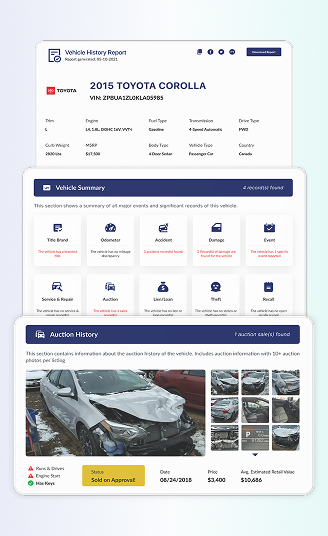
Instant VIN Reports reads the code and then shows you structured data: model and trim, drivetrain, body style, engine group, transmission type, model year, and also accident records, title-brand information, and other history data collected over the years. 

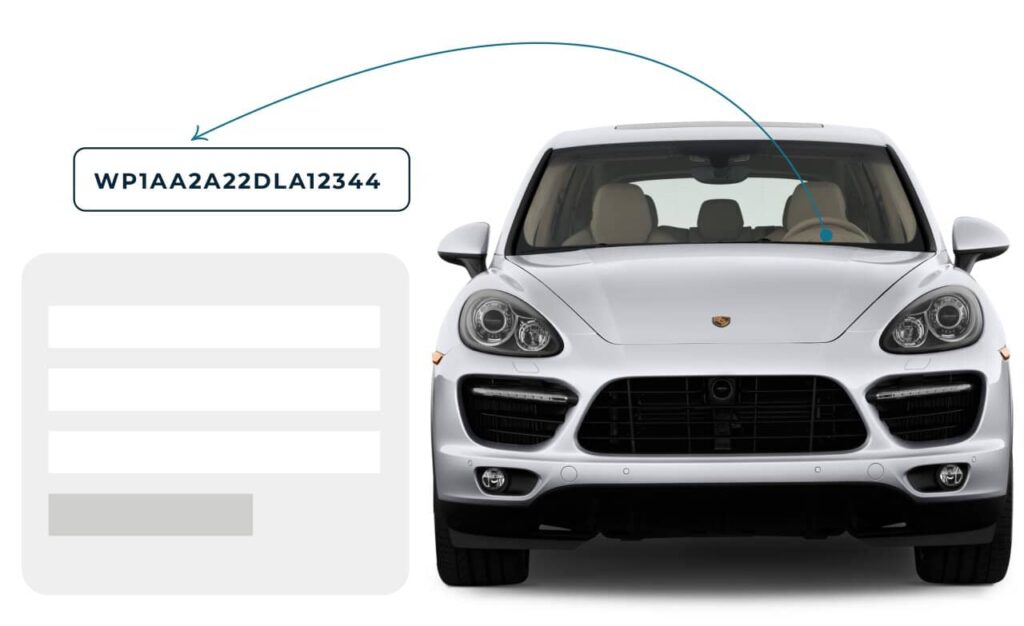
Type the VIN into the form, see the decoded specs, and when needed, add a full vehicle history built from records tied to that same number. And for enthusiasts who also run older classics from before the 17-character standard, our platform can handle many of those pre-1981 VIN and chassis formats too, so your whole stable can be decoded in one place.

What is an Acura VIN (Vehicle Identification Number)?

An Acura VIN (Vehicle Identification Number) is the official ID code assigned to every Acura vehicle built by Honda’s luxury division. It is normally a 17-character combination of numbers and capital letters, following the international VIN standard in place for on-road vehicles since the 1981 model year.

This VIN isn’t random at all. Each part of the sequence has a job: some characters describe who built the vehicle and where, others describe what it is, and the last characters identify that specific Acura in the production line.

Checking the VIN is usually one of the first steps when you’re buying a used Acura. A quick VIN check helps you confirm that the car’s story matches what you’re being told and reduces the risk of running into stolen vehicles, shady odometer rollbacks, or cars that have been heavily damaged in the past.

Put together, that means a single VIN lookup can give you a very detailed snapshot of the car before you even see it in person.

Free vin decoder

How to Read an Acura VIN Number?

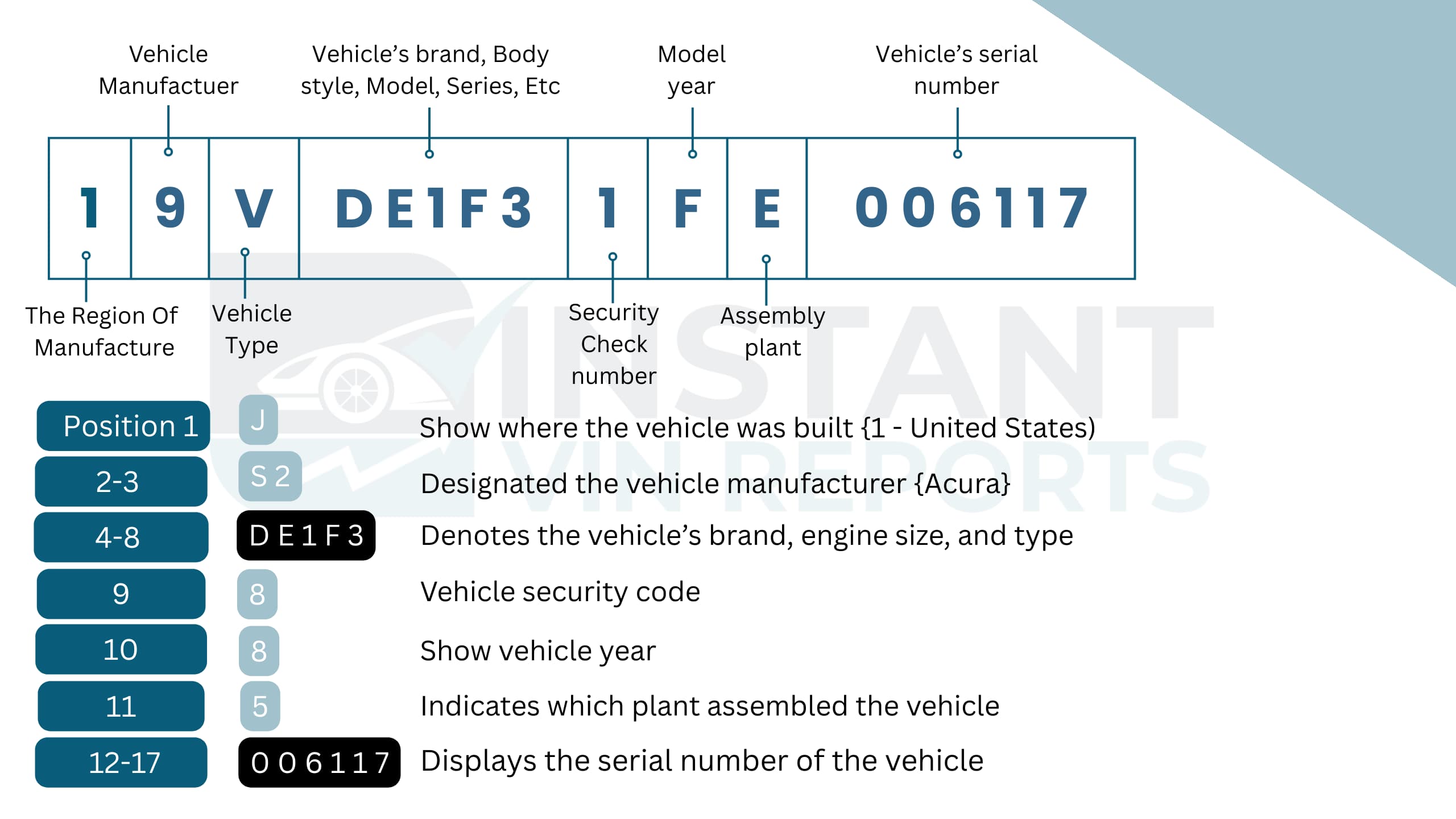
At first glance, the VIN on your Acura looks like a random jumble. Honestly, it feels a bit like someone leaned on the keyboard. But once you know the pattern, it’s actually quite straightforward. Since 1981, most passenger vehicles (including Acura models) have used the same 17-character layout split into three sections: WMI, VDS, and VIS.

So when you decode Acura VIN data, you’re really just reading those three sections, left to right.

How to Read an Acura VIN Number?

WMI (World Manufacturer Identifier)

The WMI is the first three characters of the VIN (positions 1–3). It identifies the manufacturer and the general region where the vehicle was built. These codes are assigned under international standards such as ISO 3779 and are part of the global VIN rules referenced by regulators like NHTSA.

For Acura, common WMIs include:

  • JH4 – Honda/Acura passenger cars built in Japan (used for many early Acura models)
  • 19U / 19V – American Honda Motor Co. passenger cars built in the United States
  • 5J8 / 5FR / 2HN – codes associated with SUVs and crossovers built in North America

So, if the VIN on your car starts with JH4, you’re looking at an Acura originally built in Japan. If it starts with 19U or 5J8, that points to North American plants instead.

VDS (Vehicle Descriptor Section)

The VDS covers positions 4th–9th of the VIN. This block describes the vehicle family and key technical traits: model or series, body type, engine family, restraint system, and sometimes transmission or drive layout.

In North America, the 9th character is also used as a check digit. It’s calculated using a specific formula so that computers (and careful humans) can verify that the VIN is valid and not just a mistyped string.

VIS (Vehicle Identifier Section)

The VIS covers positions 10th–17th of the Acura VIN. This is where the VIN stops talking in generalities and starts talking about your exact vehicle.

Typically:

The 10th character is the model year code. See the table below to find out your Acura’s exact model year.

10th Digit Model Year 10th Digit Model Year 10th Digit Model Year 10th Digit Model Year
A1980 M1991 22002 D2013
B1981 N1992 32003 E2014
C1982 P1993 42004 F2015
D1983 R1994 52005 G2016
E1984 S1995 62006 H2017
F1985 T1996 72007 J2018
G1986 V1997 82008 K2019
H1987 W1998 92009 L2020
J1988 X1999 A2010 M2021
K1989 Y2000 B2011 N2022
L1990 12001 C2012 P2023
  • The 11th character is the assembly plant code.
  • Characters 12th–17th make up the serial number or production sequence for that plant and year.

So when you run a VIN decoder Acura check, that last block is what separates your 2018 TLX from the thousands of other 2018 TLX models built in the same factory.

Where to Find the VIN on an Acura?

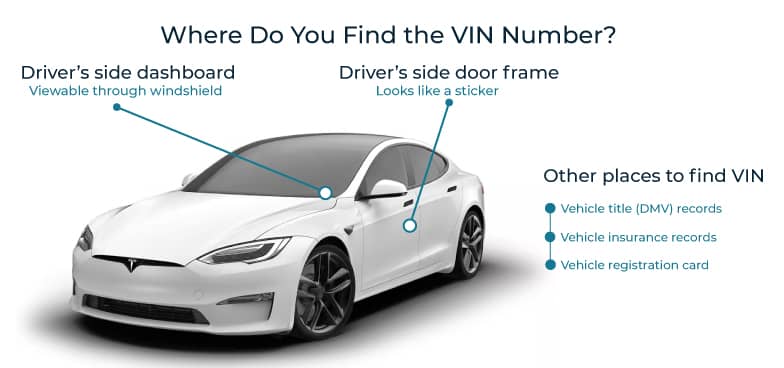
Acura places the VIN in several common locations for easy access. Check the following spots:

  • Dashboard, driver’s side: Look through the lower corner of the windshield.
  • Driver’s door jamb: Open the driver’s door and inspect the label on the door frame.
  • Engine bay: The VIN may be stamped on a plate in the engine compartment, near the firewall or frame.
  • Trunk or body panels: Some models have VIN labels on the trunk lid or major body panels.
  • Paperwork: The VIN is also found on the vehicle title, registration, insurance documents, and service invoices.
where can i find VIN

What Information Can You Get from an Acura VIN Decoder?

When you run an Acura VIN lookup with Instant VIN Reports, you don’t just see the car’s name and colour. You get a structured vehicle history report, broken into sections that answer very simple but important questions: What is this Acura? Where has it been? How was it used? Has it been damaged or stolen?

Below is what each part of the report means:

Vehicle Specifications

This section translates the technical code in your Acura VIN into clear facts. Using the WMI, VDS and VIS parts of the VIN, the decoder pulls the model, body style, engine family, transmission type, drivetrain, fuel type, and assembly plant. This helps confirm rare trims and special packages before you send any money.

Lien/Loan Check

This part of the Acura vehicle history shows if there is (or was) a recorded lien or loan on the car. A lien usually means the bank or finance company still has a legal interest until the loan is paid off.

Mileage History

The mileage section tracks odometer readings reported over time, usually from inspections, registrations, and auctions. Sudden drops or strange jumps can point to possible odometer tampering. For a buyer, this helps you judge whether that “low-mileage” Acura really lived a quiet life, or whether the numbers don’t line up. 

Accident Records

Accident records summarize reported crashes linked to that Acura VIN, including dates, locations, and sometimes a short description of the damage severity. Seeing multiple accidents on an Acura, like a sporty Acura coupe, for example, might convince you to walk away or at least get a very careful inspection.

Damage History

While accidents focus on crashes, the damage history section is a bit wider. It flags recorded events such as flood damage, hail, fire, or structural damage, depending on what has been officially reported. For an Acura, water or structural damage can seriously affect safety and resale value. Because honestly, nobody wants a luxury car that quietly sat in a flood.

Recalls Check

Here, the report checks your Acura VIN against officially published safety recalls. The report shows if your vehicle is part of any open or past recalls. This helps you know whether important safety repairs were needed and, ideally, already done by an Acura dealer or another authorized shop.

Theft Records

The theft section checks if the Acura was ever reported stolen and, where available, whether it was later recovered. Law enforcement and insurance records make this possible. This is crucial, you know? Buying a car with an unresolved theft record can cause serious legal trouble. 

Service & Maintenance Records

When available, this section lists reported maintenance events such as oil changes, major services, and repairs performed at participating shops. For an Acura, regular service is everything. Seeing consistent maintenance history makes you feel more comfortable, especially with performance models that like to be driven hard from time to time.

Auction History

Many used cars pass through wholesale or auctions. This part of the Acura VIN report lists known auction appearances, dates, and sometimes basic info like announced damage and the available photos. Giving you a helpful clue before you sign anything.

Sales History

The sales history ties together recorded sale events. This gives you a timeline of the car’s economic life. For collectors, it can help track how values moved over time. For everyday buyers, it simply confirms that the Acura VIN you see today has a traceable past.

Vehicle Usage Record

Not all miles are equal. This part of the report shows if the Acura VIN has ever been linked to commercial use, rental fleets, police service, or rideshare duty, based on available records. A former rental or fleet Acura may have seen tougher use than a privately owned one. Knowing the previous usage helps you judge wear and tear more realistically.

Ownership History

Here, the Acura VIN decoder report shows how many times the vehicle changed hands, and in which states or provinces those changes happened, using data from registration and title records where available.

Why Use an Acura VIN Decoder?

Many tools stop at basic vehicle details. Our Acura VIN decoder combines factory-level specs with history data such as accidents, title brands, and mileage patterns. By starting with a free Acura VIN lookup and upgrading only if you need more, you get clarity before committing to a big purchase or restoration project.

Who Can Benefit from Using an Acura VIN Decoder?

Whether you’re buying, selling, restoring, or just double-checking the story behind your Acura, decoding the VIN is like turning on the lights in a dark room. It matters for buyers, private sellers, dealers, owners who like to maintain their cars properly, and enthusiasts planning future projects.

For Buyers

  • Check that the Acura in the ad is really the same model, trim, and engine shown in the Acura VIN decoder result.
  • Compare several Acuras side by side using decoded specs instead of guessing from photos and seller descriptions.
  • Spot warning signs like salvage or rebuilt titles before you waste time on a test drive.
  • See mileage history so you can notice possible odometer rollback on a “low-miles” Acura.
  • Feel more relaxed and confident when negotiating, because you know the story behind the car.

For Sellers

  • Show a recent Acura VIN decoder report to buyers so they see you have nothing to hide.
  • Use the decoded specs to write an accurate listing, with the correct trim, engine, and features.
  • Prove that your Acura has a clean title and no major brands like salvage or flood on record.
  • Use the market value estimate to set a realistic price and avoid endless lowball offers.
  • Stand out from other private sellers who only offer photos and a short text with no real proof.

For Dealers

  • Run an Acura VIN lookup on every incoming unit to avoid buying vehicles with severe title brands.
  • Use reports at auction to quickly filter which Acuras are worth bidding on and which are too risky.
  • Protect your dealership from accidentally buying flood, salvage, or lemon-law branded vehicles.
  • Give sales staff printed Instant VIN Reports so they can talk confidently about each Acura’s history.
  • Build trust with customers by showing them the same Acura VIN decoder report you used to price the car.

How to Use the Free Acura VIN Decoder?

To use the free Acura VIN decoder from Instant VIN Reports, you only need the VIN and a few minutes. Here are the simple steps, even if you are completely new to this.

1) Find the VIN

Look at the lower corner of the windshield on the driver’s side, or on the sticker inside the driver’s door jamb.

2) Fill in the Form

Go to the Instant VIN Reports Acura VIN decoder page, and paste the VIN into the field. Double-check each character. Then click the button to start your decode Acura VIN search.

3) Get the Report

In a moment, you'll see a free preview showing vehicle specs and a summary of the history sections. To access the full Acura vehicle history report, you can upgrade to the paid version for all the detailed sections.

Free Acura VIN Decoder vs. Paid Acura VIN Decoder

Think of the free report as a quick snapshot and the paid report as the full story. Most serious buyers, dealers, and collectors use the full report at least once before committing large amounts of money to a car.

Here is the comparison you can look at:

Feature Free VIN Decoder History Report (Paid)
VIN decoding for all vehicle types
Year, make, model, trim
Full vehicle specifications / detailed car specs
Market value snapshot
Sales listings (current/online ads)
Sales history (timeline of past listings/sales)
Auction records (when available)
Auction history with photos
Mileage during auction/sales (when available)
Odometer rollback checks
Ownership history
Vehicle usage type (personal, fleet, rental, commercial)
Title brand records (salvage, rebuilt, flood, lemon, etc.)
Lien & loan records
Accident & damage history
Theft / stolen records
Flood/hail/fire damage checks
Service/repair records
Warranty status & coverage
Recall information

Decode VIN by Other Manufacturers

Frequently Asked Questions about Acura VIN Decoder

How do I decode my Acura VIN number?

Modern Acura vehicles use the standard 17-character VIN structure with WMI, VDS, and VIS sections. Instead of learning all the codes, you can run an Acura VIN decoder free search at Instant VIN Reports. The tool interprets each part, checks it against official rules, and shows you the information in plain language.

Where is the Acura VIN?

You can usually find the Acura VIN in three main places: on the dashboard plate visible through the driver’s side of the windshield, on the sticker inside the driver’s door jamb, and on official documents like the title, registration, and insurance card.

Can I look up vehicle specs with VIN?

Yes. A valid Acura VIN lets you look up detailed specifications such as model, body type, engine group, transmission, drivetrain, and sometimes factory options. That’s exactly what our Acura VIN lookup does in the free preview.

How to check an Acura vehicle's history with the VIN number?

Type the VIN number into the Instant VIN Reports Acura VIN decoder form and request a full report. The system will gather available records for that VIN number, including ownership, mileage, accident, title-brand records, and more, and then present them in a structured report you can read line by line.

How do I know if my Acura VIN was misprinted?

A misprinted VIN often fails the built-in check-digit rule used in North America or doesn’t match Acura’s known WMI and format. If our VIN decoder Acura tool flags the VIN as invalid, carefully compare every character on the dashboard, door sticker, and documents. If they still disagree, contact an Acura dealer or local vehicle authority for clarification.

Is the Acura VIN decoder free?

Instant VIN Reports offers a free Acura VIN decoder preview. You enter the VIN once and see basic specifications and a quick outline of possible history data. If you want full details for serious buying, selling, or restoration decisions, you can then purchase the complete report.

How to read an Acura motorcycle VIN number?

Acura itself does not produce motorcycles; Honda does. However, Honda motorcycles also use the 17-character VIN standard, where the first three characters identify the manufacturer, and the rest describe and identify the bike. You can still enter a Honda motorcycle VIN into Instant VIN Reports for a similar decode.