

Alfa Romeo VIN Decoder
Curious about an Alfa Romeo’s history? Run a quick VIN check to see key details like specs, title status, recalls, and odometer records when available. Get results in under a minute with Instant VIN Reports.
What is an Alfa Romeo VIN Decoder?
An Alfa Romeo VIN decoder is a tool that reads a VIN Number and turns it into readable information. Modern VIN numbers are usually 17 characters, and they can include details about the vehicle’s manufacturing origin, specifications, and model year.
If you’re dealing with a classic Alfa, keep in mind that older vintage vehicles did not always follow the same modern standard, so a decoder that can handle pre-standard formats matters, and Instant VIN Reports is built for both modern and classic VIN number decoding.
What is an Alfa Romeo VIN (Vehicle Identification Number)?
An Alfa Romeo VIN (Vehicle Identification Number) is the vehicle’s unique identification code. On modern Alfas, it is typically a 17-character mix of numbers and letters. It is commonly used across registration, insurance, service, and resale situations because it helps identify the exact vehicle.
When you are buying used, the VIN is often your first reality check. It can help you confirm the vehicle’s origin and basic configuration details, and it can also help you avoid mistakes like paperwork that does not match the physical car.
And you can try to read each character manually, but it is easy to misread one digit (especially on older plates). That is why many owners run an Alfa Romeo VIN lookup tool on Instant VIN Reports and keep the result with their notes.
Here is the kind of information a VIN commonly points to in standard VIN layouts:
- Country/region and manufacturer identifier (WMI)
- Vehicle descriptor details set by the manufacturer (VDS)
- Model year, plant, and serial sequence (VIS)
How to Read an Alfa Romeo VIN Number?
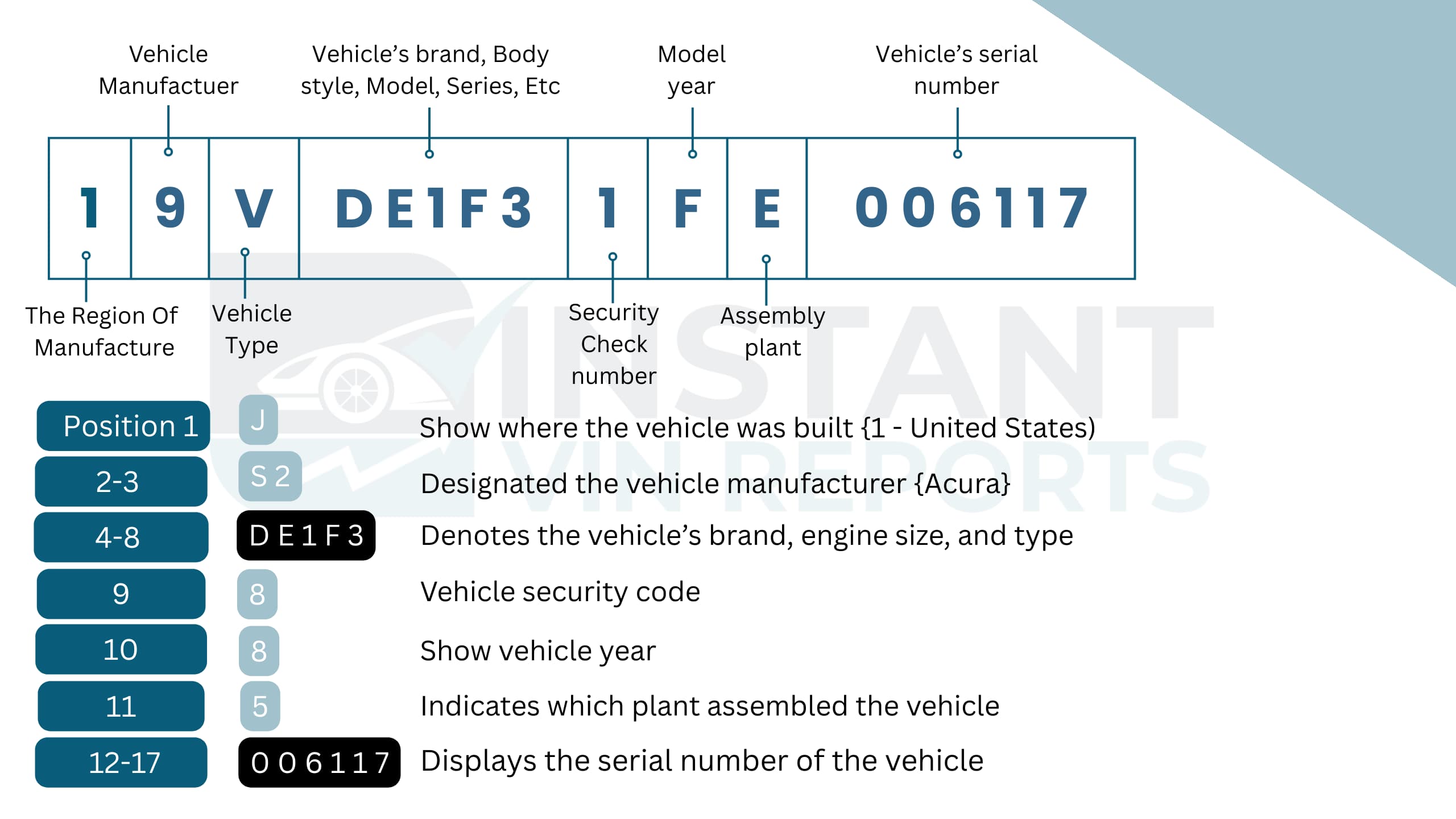
If you’re doing an Alfa Romeo VIN check before buying, don’t overthink it. Just split the code into three blocks and read what each block is supposed to represent. Modern VINs follow the WMI/VDS/VIS structure.
Then, if you want the Alfa-specific details without hassle, you run the VIN through Instant VIN Reports.
WMI (World Manufacturer Identifier)
The WMI is the first three characters (positions 1–3) of the VIN. This part identifies the manufacturer and region, and it is used globally to point to who built the vehicle. General VIN references describe the WMI as the manufacturer identifier at the start of the VIN.
- Position 1 (Region/Country code): For many Alfa Romeo vehicles, you will commonly see “Z”, which is associated with Italy in WMI usage.
- Position 2 (Manufacturer group): The second character is part of the manufacturer’s assigned WMI block.
- Position 3 (Brand/vehicle type within the WMI): The third character completes the WMI. Some VIN references explain that the third character can be used for category or division within a manufacturer, depending on assignment.
VDS (Vehicle Descriptor Section)
The VDS typically covers positions 4–9. This section is where the manufacturer encodes vehicle attributes such as model line, body, engine, and restraint system details. The VDS is commonly used as the section used for the vehicle’s descriptive characteristics, and position 9 is commonly used as a check digit in many systems.
VDS Character Meaning (Alfa Romeo)
For Alfa Romeo, the exact meaning of positions 4–8 can change across generations and markets. Wikibooks provides an Alfa Romeo example template that shows how some Alfa models/years used these positions:
- Position 4 -8: provide specific details about the car’s attributes, such as the car model, body style, engine type/size, restraint systems, transmission type
- Position 9: Check digit (noted in the Alfa Romeo template and also commonly described in VIN references)
Note: Some Alfa Romeo code details (like trim/engine mapping) are not universal. These positions are specific to the manufacturer’s internal coding system, so the exact meaning of each letter or number will vary between different Alfa Romeo models and model years. The decoder tool avoids mixing templates.
VIS (Vehicle Identifier Section)
The VIS usually covers positions 10–17. This section commonly includes the model year code, the assembly plant, and the production sequence number. VIN references describe the VIS as the identifier section that helps point to a specific vehicle.
VIS Character Meaning (Alfa Romeo)
- Position 10 (Model year code): General VIN references provide model-year code cycles for the 10th character.
- Position 11 (Plant code): Wikibooks lists Alfa Romeo plant codes (examples shown), such as Cassino, Arese, and others, for certain Alfa vehicles and eras.
- Positions 12–17 (Production sequence): The Alfa Romeo template example shown describes these as the production sequence number.
Note: If you’re checking an Alfa where the VIN is not 17 characters (often pre-standard vehicles), you may be looking at an older chassis/VIN style instead of the modern VIS layout. That “short VIN” situation is exactly why Instant VIN Reports supports classic formats too.
Where to Find the VIN on an Alfa Romeo?
You only need one thing to start: the VIN. The tricky part is that older vehicles may have plates that are faded or repainted.
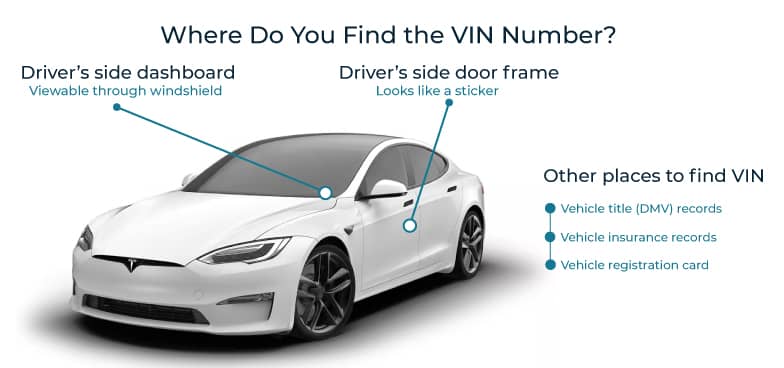
- Dashboard, near the windshield: Common VIN location in many modern cars; visible from outside.
- Driver-side door jamb or door area: Often a sticker or plate with the VIN.
- Engine bay/firewall area: Some vehicles have a stamping or plate under the hood.
- Paperwork (title, registration, insurance): VIN is typically listed on official documents.
- Older/classic Alfas: You may see a chassis plate or stamping location that varies by model year, especially before modern standardization.
What Information Can You Get from an Alfa Romeo VIN Decoder?
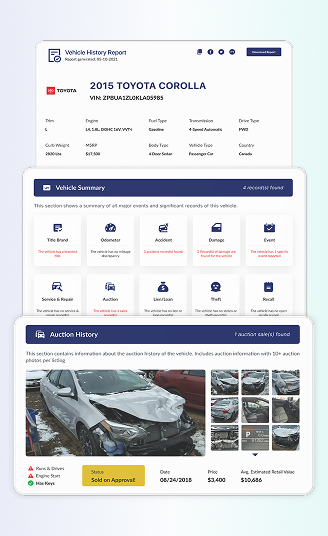
Looking at a Giulia, Stelvio, or even an older Spider? The VIN helps you sort real details from messy listings. Here is some of the information you will get on the full vehicle history report:
Vehicle Specifications
This is the “what I am” section, and it’s where most people begin. An Alfa Romeo VIN decoder can confirm basics like year, make, model, body type, and key build identifiers. If you’re comparing an Alfa Romeo with different models like Giulia with a Stelvio VIN decoder result, this section keeps you from mixing trims that look similar in photos.
Ownership History
Ownership history is about how many times it changed hands, when it was recorded through official channels. It’s not gossip, it’s a timeline. For collectors, this can support the story behind an older Alfa. For buyers, it can highlight patterns like frequent transfers in a short period. And for sellers, it helps back up your listing with something more solid.
Service & maintenance Records
Service records can appear when they’re available from reported sources. Not every Alfa will have a full “diary,” but even partial service entries can show patterns of care or neglect. KBB discusses VIN-based checks as a practical tool when buying and selling, especially to reduce surprise costs.
Lien/Loan Check
A lien check looks for signs that a lender still has a financial claim attached to the vehicle, when that kind of record is reported. This is a big deal because a “clean-looking sale” can still turn into paperwork problems later.
Accident Records
Accidents are not always visible, especially after a cosmetic repair. A full report will show accident entries when they were reported into accessible databases. For an Alfa, accident information helps you protect both safety and value. Even if you’re not afraid of a repaired car, you still deserve to know what happened and when.
Recalls Check
Recalls are safety campaigns tied to the VIN. In the U.S., thereports also included the recorded recall history so owners can check for unrepaired safety recalls alongside other history details, so you’re not bouncing between tabs.
Mileage History
Mileage is one of those things people argue about until they see a record that doesn’t match the dashboard. A full Alfa Romeo vehicle history report can include multiple mileage entries when they exist, which helps spot inconsistencies or suspicious gaps.
Title Brand Records
Title brands are labels such as salvage or rebuilt, depending on reporting. This matters because branded titles can change resale value, financing options, and insurance decisions. If a listing says “clean title” but the record suggests otherwise, you want to know before you travel, negotiate, or ship the vehicle.
Theft Records
Theft screening checks for theft-related flags when they’re reported. It’s not about panic, it’s about basic self-protection. If you’re buying an Alfa Romeo from out of state or from a marketplace listing, a theft check is a sensible step before you send money or sign paperwork.
Service & maintenance Records
Service records indicate the vehicle’s care history. While not every Alfa Romeo will have a complete record, consistent entries suggest good maintenance, while no records warrant closer inspection.
Auction history
Auction history reveals when the Alfa Romeo has been in auction, aiding in understanding its market movement. This information can help verify claims made by sellers and support better buying decisions.
Sales History
Sales history is about public listing activity when available: advertised sales, pricing snapshots, and sometimes repeated relisting patterns. It can help buyers spot “flip behavior” or unusual pricing swings. It’s not about judging the seller. It’s about seeing the market trail the vehicle left behind.
Why Use an Alfa Romeo VIN Decoder?
A lot of decoders handle modern 17-character VINs, but they can’t translate the older classic shorten VIns. Instant VIN Reports supports classic VIN decoding for many pre-standard vehicles, too, which matters for Alfa enthusiasts and collectors.
Modern VIN structure references explain the standard layout, but classic cars don’t always fit it neatly. If you’re dealing with an older Spider, you want a tool that doesn’t panic when the VIN is shorter.
Who Can Benefit from Using an Alfa Romeo VIN Decoder?
Alfa Romeo buyers, private sellers, and dealers all face the same issue: the car’s real story is scattered across paperwork, memory, and listings. A VIN decoder pulls identity and history into one clearer picture, which reduces costly misunderstandings.
For Buyers
- Confirm year, make, and model before you travel
- Compare Giulia vs Stelvio listings without mixing trims
- Reduce the risk of title-brand surprises
- Check for reported accident indicators early
- Support price negotiation with a clearer historical context
For Sellers
- Show transparency to serious buyers
- Catch paperwork mismatches before they turn into drama
- Support your price with facts, not just photos
- Help foreign buyers understand the vehicle quickly
- Keep a printable summary for the sale file
For Dealers
- Standardize Alfa Romeo VIN checks across inventory
- Reduce disputes by documenting history signals early
- Catch title brand problems before listing
- Improve listing accuracy, which improves lead quality
- Handle classic Alfa VIN formats more smoothly
How to Use the Free Alfa Romeo VIN Decoder?
Using a free Alfa Romeo VIN decoder is straightforward. Follow these steps below:
1) Find the VIN
Before running the VIN decoder, you will need to have the VIN of the Alfa Romeo you want to check.
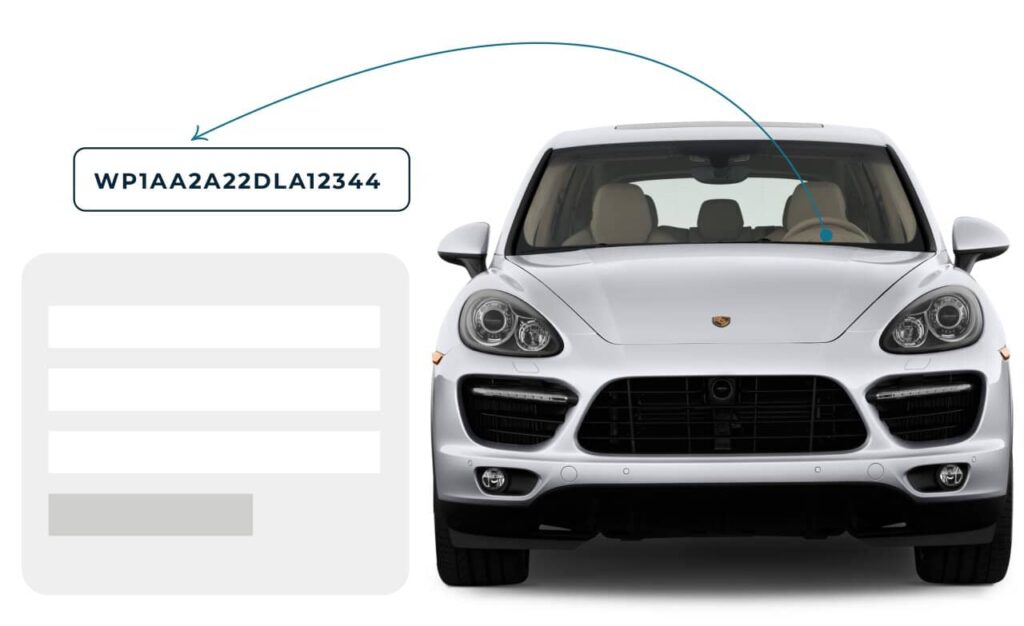
2) Fill in the Form
Enter the full VIN into Instant VIN Reports. Double-check characters that look similar, like 0 and O.
3) Get the Report
View your quick Alfa Romeo VIN free results, then upgrade to the full vehicle history report if you want deeper items like title brands, accidents, and mileage records.
Free Alfa Romeo VIN Decoder vs. Paid Alfa Romeo VIN Decoder
If you only need a fast identity check, free is fine. If you’re buying, restoring, or shipping a car, the full history report is usually the safer choice.
| Feature | Free VIN Decoder | History Report (Paid) |
|---|---|---|
| VIN decoding for all vehicle types | ||
| Year, make, model, trim | ||
| Full vehicle specifications / detailed car specs | ||
| Market value snapshot | ||
| Sales listings (current/online ads) | ||
| Sales history (timeline of past listings/sales) | ||
| Auction records (when available) | ||
| Auction history with photos | ||
| Mileage during auction/sales (when available) | ||
| Odometer rollback checks | ||
| Ownership history | ||
| Vehicle usage type (personal, fleet, rental, commercial) | ||
| Title brand records (salvage, rebuilt, flood, lemon, etc.) | ||
| Lien & loan records | ||
| Accident & damage history | ||
| Theft / stolen records | ||
| Flood/hail/fire damage checks | ||
| Service/repair records | ||
| Warranty status & coverage | ||
| Recall information |
Decode VIN by Other Manufacturers
Frequently Asked Questions about Alfa Romeo VIN Decoder
Where is the VIN located on an Alfa Romeo Giulia or Stelvio?
Most commonly, you’ll find it on the driver-side dashboard near the windshield and on the sticker/plate in the driver-side door jamb area. For paperwork, it also appears on registration and insurance documents.
How can I check my Alfa Romeo's warranty status using the VIN?
To check Alfa Romeo’s warranty status using the VIN, start by confirming the VIN is correct, because warranty systems rely on exact identification. VIN references explain that the VIN is the unique identifier for the vehicle. Instant VIN Reports helps you verify identity and specs first, then you can follow up with official channels if you need formal coverage confirmation.
What does each character in an Alfa Romeo VIN mean?
Modern VINs are commonly read in sections: WMI (first 3 characters), VDS (positions 4–9), and VIS (positions 10–17). The exact meaning of the middle characters varies by model/year, so using an Alfa Romeo VIN decoder is usually faster than manual decoding.
Can I get a free vehicle history report for my Alfa Romeo with the VIN?
Yes, you can run a free, quick check to confirm the vehicle’s identity and basic specs. For deeper history items (accidents, title brands, mileage entries), you typically need a full report because those sections rely on compiled records. Instant VIN Reports lets you start free and expand only if you want.
What's the difference between a VIN decoder and a full history report?
A VIN decoder focuses on identity and builds details. A full history report focuses on recorded events over time, such as title brands, accident indicators, mileage entries, and more, when available. KBB frames VIN checks as essential for uncovering key history risks like theft reports, title issues, and prior ownership. Instant VIN Reports offers both layers.
How do I find the production date of my Alfa Romeo from the VIN?
The VIN commonly includes a model year code and a plant/serial identifier, but a precise “production date” is not always directly displayed as a plain date in the VIN itself. VIN structure references explain that the VIS portion includes model year and plant identifiers.
You can run the Alfa Romeo VIN lookup tool instead, then match results with official paperwork if you need an exact day/month.
How can I check the service history of a used Alfa Romeo using the VIN?
Service history depends on what was recorded and made available through data sources. Some vehicles have partial records, others have almost none. A VIN-based checks are used to evaluate a vehicle’s history and reduce surprises when buying and selling.
Start with an Alfa Romeo VIN check on Instant VIN Reports, then use the full report if you want any available service/repair entries included.