
Free Lotus VIN Number Lookup for All Models
Use the free Lotus VIN decoder from Instant VIN Reports to decode any 17-digit or classic 5–14 digit Lotus VIN. Instantly identify the model, engine, trim, year, body style, and more before buying, selling, restoring, or insuring your Lotus.
What is a Lotus VIN Decoder?
A Lotus VIN decoder gives you a fast way to verify the car’s identity using the VIN that is stamped or labeled on the vehicle. The VIN is intended to be unique and structured, so decoding it can reveal practical identifiers such as the manufacturer group and other encoded attributes.
For many buyers, this is step one before purchase, shipping, or insurance. And if you are dealing with a classic Lotus, it is normal to see older ID formats that are shorter than 17 characters. Instant VIN Reports supports modern VIN decoding and offers help for many classic formats as well.
Why Lotus VIN Decoding Matters Before Buying a Car?
Whether you're shopping for a modern Lotus or a classic model with a shorter VIN, decoding the Lotus VIN number is a smart first step. It's a simple way to better understand the vehicle before moving forward.
Make confident decisions
Knowing the vehicle's factory information helps you compare listings with greater confidence before making a purchase.
Confirm the correct model
Some Lotus models have similar styling. VIN decoding helps identify the exact model produced by the factory.
Identify the original engine
Verify the engine configuration assigned during production before considering modifications or upgrades.
Check the model year
Confirm the production year encoded in the VIN, especially when seller descriptions are incomplete or inaccurate.
What Information Does a Lotus VIN Decoder Show?
A free Lotus VIN decoder gives you a snapshot of the vehicle's factory identity. Here’s what you’ll find:
Manufacturer
Identify the manufacturer responsible for building the vehicle.
Vehicle Origin
Learn where your Lotus was manufactured by identifying its country of origin.
Lotus's Model Type & Year
Decode the VIN to identify the model and production year.
Engine Specifications
View basic engine information encoded in the VIN.
Transmission Setup
Check the original transmission configuration associated with the VIN.
Body Style
Discover the original body style assigned during production
Trims
See the factory trim or vehicle configuration associated with the VIN.
MSRP & Market Value
Check the original MSRP and estimated market value information.
How to Use the Lotus VIN decoder
Decoding a Lotus VIN only takes a few moments. Follow these steps below:
Enter the VIN
Type your 17-character Lotus VIN or a classic 5–14 digit Lotus VIN into the Instant VIN Reports search box, then start the free VIN decoding process.
Fill Out the Form
Click Decode VIN to run the lookup. Our system will search the VIN and generate your free Lotus VIN decoding results in seconds.
Check the Vehicle Specs
View the decoded factory specifications, including the model, model year, engine, trim, transmission, body style, and other available vehicle details. If you need other historical information, you can upgrade to a complete Lotus Vehicle History Report.
How To Read a 17-Digit Lotus VIN Number
A Lotus 17-digit VIN has three sections that provide specific information about the car. Below it’s the example the breakdown of one of their VIN. You don’t need to remember all the codes means. Our Lotus VIN decoder can decode it for you accurately by just simpy paste the VIN.
Lotus VIN Positions Explained For: SCCLMDSU0CHA10804
WMI (World Manufacturer Identifier)
Position 1 (S)
Country of manufacture: United Kingdom
Position 2 & 3 (CC)
Manufacturer: Lotus Cars Ltd.
VDS (Vehicle Descriptor Section)
Positions 4 to 8 (LMDSU)
Vehicle descriptor identifying the Lotus Evora platform, including body, engine, and restraint configuration
Position 9 (0)
Check digit used to validate the VIN
VIS (Vehicle Identifier Section)
Position 10 (C)
Model Year: 2012
Position 11 (H)
Assembly plant: Hethel, Norfolk, England
Positions 12 to 17 (A10804)
Sequential production number
Classic Lotus VIN Decoder (Pre-1981)
Before the VIN standard was introduced in 1981, Lotus used several chassis and serial numbering systems that varied by model and production era. Unlike today's standardized 17-character VINs, classic Lotus vehicles often carried different length of chassis numbers that encoded information differently depending on when and where the car was built.
Instant VIN Reports can decode many classic with 5 to 14-character chassis numbers, including Lotus, helping owners, collectors, restorers, and buyers identify older Lotus models that cannot be decoded by modern VIN tools.
Classic Lotus Example Breakdown
From approximately 1972 onward, many Lotus models adopted a more structured identification system. Vehicles such as the Eclat, Elite, Europa (late production), and Esprit commonly used 11-character chassis numbers that embedded production details.
Let’s use this Lotus classic VIN example: 72060145H
| Section | Meaning |
| 72 | Year of manufacture (1972) |
| 06 | Month of manufacture (June) |
| 0145 | Sequential production number |
| H | Model or market specification code |
Some later 1970s Lotus vehicles also included destination or market letters, such as:
R = North American/Federal specification
P = UK or Rest-of-World specification
The exact meaning varies depending on the production year and model. Because there was no industry-wide standard, decoding requires matching the number against Lotus production conventions for specific models and years.
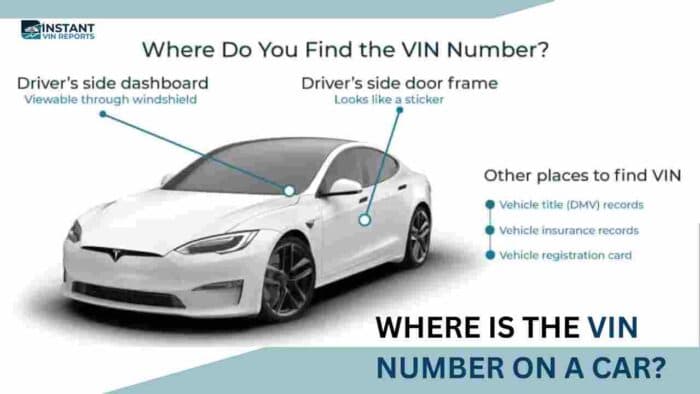
Where to Find the VIN on a Lotus?
If you are new to Lotus ownership, do not overthink this. The VIN is usually placed where it can be seen from outside the car, and also repeated on labels. Older Lotus models may hide it in less obvious spots.
- Dashboard (driver side, near windshield): Often readable from outside the car through the glass.
- Driver-side door jamb/door area label: Common location for manufacturer/vehicle labels.
- Front compartment or under-hood area plate/label: Some vehicles place an ID plate in the front bay.
- Chassis plate / stamped number (common on older Lotus): Classics may use a plate or stamped identifier that does not look like a modern VIN.
- Paperwork (registration, title, insurance): Useful for comparison, but always match it to the car.
Need to See More? Get the Full Lotus Vehicle History Report
Our Lotus VIN lookup helps answer one critical question about the car: what it claims to be. By running the VIN check and getting the full vehicle history report confirms the vehicle’s identity and whether the cars are worth your time.
Vehicle Specifications
Get a clear snapshot of the vehicle itself. This includes the make, model, model year, trim level, engine details, transmission type, and basic manufacturing information. It helps confirm that the car matches what’s being advertised, which matters more than people like to admit.
Mileage Check
Mileage check helps verify whether the odometer reading makes sense over time. The report may show mileage entries from inspections, registrations, or other recorded events, making it easier to spot potential rollbacks or inconsistencies.
Ownership Timeline
See how many owners the vehicle has had and how ownership changed over the years. This section can also show where the car was registered and roughly how long each owner kept it, which helps you understand usage patterns.
Title Status
This section shows whether the title is clean or carries a brand such as salvage, rebuilt, or lemon. Title status is one of the most important checks before buying, since it affects both legal ownership and long-term value.
Accident Reports
Accident-related records may appear if the vehicle was involved in reported collisions. When available, details can include the number of incidents, dates, and locations. This helps you judge potential safety concerns or hidden damage.
Damage Records
Beyond accidents, damage records may include reports from natural events like floods, fires, or hail. Smaller reported issues, such as dents or scratches, can also appear depending on the data available.
Auction History
If the vehicle has passed through an auction, this section may show when and where it was sold, along with sale prices and condition notes. Auction photos may also be available, offering extra context about the vehicle’s past condition.
Loan and Lien Records
This check helps identify whether there are outstanding liens or loans tied to the vehicle. Clearing these before a title transfer is critical, and this section helps reduce financial surprises later.
Recall Alerts
Recall information shows whether the manufacturer has issued safety recalls for the vehicle. You can also see whether the recall has been addressed, which matters for both safety and compliance.
Theft Records
Theft records checks look for indicators that a vehicle has been reported stolen, and sometimes whether it was recovered, when such data is available. This is a basic safety step for any used car purchase, including a Lotus. If a report flags a concern, you want to pause and verify identity carefully before proceeding.
Service History
When available, service and maintenance records show past repairs and routine care. This gives insight into how well the vehicle was maintained over time, especially useful for older or high-mileage cars.
Vehicle Usage Records
Usage records, when reported, may indicate whether the vehicle was used as personal transportation, fleet, rental, or other categories. For a Lotus, this can be a strong clue about wear. A rental or fleet-used car can have a very different life compared to a privately owned weekend car.
Free Lotus VIN Decoder vs Vehicle History Report
The free Lotus VIN decoder is best for early screening and quick comparisons. Once a specific car becomes a serious option, the paid history report adds the records that protect you financially. See the comparison below:
Feature | Free VIN Decoder | History Report (Paid) |
|---|---|---|
VIN decoding for all vehicle types | ||
Year, make, model, trim | ||
Full vehicle specifications / detailed car specs | ||
Market value snapshot | ||
Sales listings (current/online ads) | ||
Sales history (timeline of past listings/sales) | ||
Auction records (when available) | ||
Auction history with photos | ||
Mileage during auction/sales (when available) | ||
Odometer rollback checks | ||
Ownership history | ||
Vehicle usage type (personal, fleet, rental, commercial) | ||
Title brand records (salvage, rebuilt, flood, lemon, etc.) | ||
Lien & loan records | ||
Accident & damage history | ||
Theft / stolen records | ||
Flood/hail/fire damage checks | ||
Service/repair records | ||
Warranty status & coverage | ||
Recall information |
How Jacob Saved Money by Checking Lotus VIN First
Jacob found a used Lotus Evora listed online at an attractive price. Before contacting the seller, he ran the VIN through the free Instant VIN Reports Lotus VIN Decoder. See what he finds below:
VIN: SCCLMDSU0CHA10804
Initial Impression
- Clean-looking 2012 Lotus Evora.
- Listing appeared well-maintained.
- Price was competitive.
- Seller claimed the vehicle was in good condition.
Critical Findings
- Free decoder confirmed it was a genuine 2012 Lotus Evora.
- The full report showed a previous accident.
- Found salvage and rebuilt title records.
- Two previous auction records with photos.
- The vehicle also had a lien history.
Outcome
Jacob used the report to question the seller about the vehicle's history and negotiated a lower purchase price based on verified records instead of relying only on the listing.
Why 1 Million+ Drivers Choose Instant VIN Reports
From modern 17-character VINs to classic Lotus chassis numbers with fewer than 17 digits, our tools help you access reliable vehicle information quickly and confidently.
Daily Data Updates
Our databases are updated regularly, so you can access the latest available information when checking a Lotus VIN or ordering a complete vehicle history report.
Unlimited Free Checks
Decode as many Lotus VINs as you need at no cost. Compare multiple vehicles, verify factory specifications, and narrow down your options with our basic free VIN decoder.
24/7 Customer Support
Our customer support team is available around the clock to help with reports, orders, and general questions about using Instant VIN Reports.
Most Comprehensive Database
Whether you own a modern Lotus or a classic model with a shorter VIN, our platform is designed to support a wide range of vehicles.
Who Should Use a Lotus VIN Decoder?
From modern performance cars to classic Lotus models with shorter chassis numbers, VIN decoding provides useful factory information that helps you research, compare, and verify vehicles with greater confidence.
Buyers
Verify the Lotus model, engine, trim, and production year before purchasing, helping you compare listings and identify vehicles that deserve a closer inspection.
Sellers
Decode your Lotus VIN before creating a listing to verify that the model, engine, and factory specifications are described correctly.
Dealers
Dealers can quickly verify factory specifications before advertising or appraising a Lotus, helping improve listing accuracy.
Classic Car Collectors
Collectors can decode many classic Lotus chassis numbers to help identify older vehicles before adding them to their collection.
Restorers
Decode the chassis number before restoration to better understand how the Lotus left the factory.
Insurers & Appraisers
Verified VIN information supports insurance quotes and vehicle appraisals by confirming key factory specifications.
Supported Lotus Models
The following models represent some of the most popular Lotus vehicles. Our VIN decoder also supports numerous discontinued and classic models produced throughout Lotus history.
| 2-Eleven | 3-Eleven | Carlton/Omega Lotus | Eclat |
| Eletre | Elite (Type 14) | Elite (Type 75) | Elan |
| Elan +2 | Eleven | Elise | Emeya |
| Emira | Esprit | Esprit V8 | Europa |
| Europa S | Europa Twin Cam | Evija | Evora |
| Excel | Exige | Mark I | Mark II |
| Mark VI | Seven | Seven Series 1 | Seven Series 2 |
| Seven Series 3 | Type 23 | Type 30 | Type 40 |
Frequently Asked Questions about Lotus VIN Decoder
Where is the VIN/chassis number located on a Lotus Elise or Exige?
On most Lotus Elise and Exige models, the VIN or chassis number is commonly found on a plate near the front of the vehicle, often in the front compartment area, on the chassis tub, or visible through the windshield on the driver’s side.
It may also appear on official paperwork. If you are unsure which number you are seeing, using the Lotus VIN decoder on Instant VIN Reports helps confirm whether it matches the vehicle identity.
What do the letters in a Lotus chassis number prefix mean (e.g., SCC, SCCA)?
The letters at the start of a Lotus VIN or chassis number usually relate to the manufacturer identifier and internal coding. For modern Lotus vehicles, prefixes like SCC are associated with Lotus Cars. The exact meaning can vary by era and market. A Lotus VIN lookup helps translate these prefixes into understandable identity information without guessing.
How do I decode the VIN on a classic Lotus Esprit or Elan?
Classic Lotus models like the Esprit or Elan often use shorter VIN or chassis numbers that do not follow the modern 17-character format. Standard decoders may fail or return limited results. Instant VIN Reports supports decoding for many classic Lotus VIN formats, helping collectors and restorers confirm identity before moving forward.
Can I check the production number and build date of my Lotus using the VIN?
The VIN can indicate model year patterns and production sequence information, but exact build dates are not always directly shown. A Lotus VIN decoder helps confirm identity first, which is often required before deeper research. Premium reports may also provide helpful context when production-related data is available.
How do I verify the authenticity of a Lotus (e.g., special edition) using the VIN/chassis number?
Authenticity checks start with matching the VIN or chassis number to the correct Lotus model and configuration. Decoding helps confirm whether the number aligns with the claimed vehicle type. Using Instant VIN Reports, you can decode the VIN and review history clues that support or challenge special edition claims.
Can I check for recalls or service campaigns on my Lotus using the VIN?
Yes, recall checks are commonly tied to the VIN. A premium Lotus vehicle history report may show recall information and basic status indicators when available. Running your VIN through Instant VIN Reports helps you spot recall-related details before purchase or service planning.
How do I find the original factory specs and options for my Lotus?
Factory specs and options are often linked to the VIN structure and manufacturer records. While not all details are publicly available, decoding the VIN is the first step. A Lotus VIN decoder helps confirm base specifications, and premium reports may provide additional build and equipment context when supported by the data.