
Get a Complete Vehicle’s Past Records With Texas License Plate Lookup
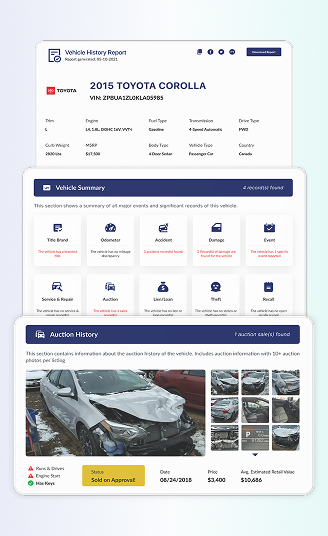
Use our Texas license plate lookup tool to access a vehicle’s background. Get a detailed report covering accidents, auction history, damage records, title status, liens, and available warranty information you need to know.
What is a Texas License Plate Lookup?
A Texas license plate is issued by the Texas Department of Motor Vehicles (TxDMV) for passenger cars, trucks, motorcycles, trailers, and approved specialty vehicles. It serves as the official link between a vehicle and its registration and title records.
By searching the Texas license plate, it allows buyers and sellers to examine a vehicle’s history using its plate number. This ensures that advertised details match official records and reduces the risk of legal or financial issues. On the vehicle report, you can find the complete information of the vehicle’s specifications and past records like accident, auction, damages, odometer reading, and many more.
Why You Should Run a Texas License Plate Search
Checking the Texas license plate before a transaction helps confirm essential details that may not be visible in a visual inspection or photos.
When Buying a Used Vehicle
Before buying a used vehicle in Texas, especially from a private seller or an older car, it’s crucial to understand the vehicle’s history to avoid unexpected problems after the purchase.
Review Title and Ownership Records
A Texas license plate lookup can confirm how many times the vehicle has changed ownership and whether the title is clean or carries branding such as salvage, rebuilt, or flood.
Identify Past Problems
Accident records, reported damage, or inconsistencies in mileage may appear in the vehicle report even if the car looks well-maintained during a visual inspection.
Selling a Vehicle
Sellers in Texas also benefit from checking their vehicle’s history before listing. Knowing the car’s background ensures transparency and reduces the likelihood of disputes during the sale.
Strengthen Your Listing
Providing verified vehicle information helps answer buyer questions and demonstrates credibility, making your listing more reliable and professional.
Reduce Buyer Hesitation
Clear, consistent history details make buyers more confident in the purchase, which can help the vehicle sell faster.
Checking Auction or Private Listings
Vehicles sold at auctions or through private-party listings may not include full disclosures. Running a plate lookup ensures the advertised details match official records.
Match the Listing With Official Records
Using a Texas vehicle history report allows you to compare the listing’s information to official records, helping identify discrepancies or errors.
Detect Missing Information
If important details are missing or do not align, it may be necessary to pause the transaction. Always confirm the VIN matches the report to avoid potential tampering.
Preventing Fraud and Costly Mistakes
A Texas license plate lookup reduces the risk of purchasing a vehicle with unresolved legal or mechanical issues.
Confirm Legal Status
Checking the plate can reveal stolen vehicle records or title problems that could create serious legal or financial issues after purchase.
Check for Hidden Damage
Damage from accidents, floods, fires, or other incidents may not be immediately visible. A plate lookup helps uncover reported events that could affect safety, reliability, or resale value.
What Can You Find on Texas License Plate Lookup?
A Texas vehicle history report provides both basic vehicle details and comprehensive historical records. These are the information you can find on the report.
Vehicle Specifications
This section provides detailed information about the vehicle’s core specifications, including engine type, fuel system, transmission, drivetrain, body style, and manufacturing origin. In addition, you can get the vehicle’s market value.
Ownership History
Check the ownership timeline, including year of purchase, location, and ownership duration. Personal information is always protected under privacy laws. Understanding ownership history helps identify frequent transfers, which could signal past issues or potential concerns with the vehicle.
Title Status
This section reveals whether the vehicle holds a clean title or carries branding such as salvage, rebuilt, flood, or lemon. Checking title status early helps avoid legal complications, registration delays, and unexpected restrictions that could affect insurance eligibility.
Theft Records
Theft records indicate if the vehicle has ever been reported stolen. When available, the report may include dates and locations of theft reports. Buying a stolen vehicle can result in legal action or repossession, even if purchased unknowingly, so verifying this is essential.
Accident Records
Reported accidents include dates, locations, and the number of incidents recorded. Reviewing this section allows you to assess potential structural damage, safety concerns, and the overall reliability of the vehicle, as well as possible effects on future insurance rates and resale value.
Mileage Verification
Mileage verification compares odometer readings from multiple reporting sources to detect discrepancies or gaps. Checking this section helps reduce the risk of odometer fraud, ensures accurate mileage disclosure, and supports a fair assessment of the vehicle’s condition and market value.
Auction History and Photos
If the vehicle was sold at auction, this section includes auction dates, locations, final sale prices, and available images. Auction photos can reveal prior damage, cosmetic wear, or other details that may not appear in current listings, providing a clearer picture of the vehicle’s history.
Lien or Loan Records
This section identifies outstanding loans or financial claims linked to the vehicle. Active liens can delay or block ownership transfer if unresolved, so checking lien information is critical before purchasing to ensure a smooth title transfer and avoid future legal or financial complications.
Warranty Coverage
Warranty information shows whether manufacturer or extended warranties remain valid. This section may include coverage duration, mileage limits, and specifics for factory-backed or third-party plans, helping buyers understand what protections are still available and potential repair cost savings after purchase.
Damage Records
Damage records report incidents from accidents, floods, fires, or other events. Reviewing this section helps evaluate whether repairs were needed, whether they were properly documented, and whether past damage could impact the vehicle’s safety, reliability, and future resale value.
Service and Maintenance Records
Maintenance history provides insight into how the vehicle was cared for over time. When available, it lists service dates, locations, performed repairs, and routine upkeep. This helps buyers identify any missed maintenance, potential issues, and the overall reliability of the vehicle.
Recall Information
Recall records show whether the vehicle has been affected by manufacturer safety or mechanical recalls. The report includes recall dates, reasons for the recall, corrective actions taken, and the final status (open or closed), helping owners confirm that all issues were properly resolved.
How to Check a Texas License Plate?
Checking and getting a vehicle history by plate number in Texas is easy. Follow these simple steps to get it done.
Locate the License Plate
Find the license plate number on the vehicle or request it from the seller. It may also appear on documents such as registration papers or a bill of sale.
Enter the Plate Details
Enter the license plate number into the form. Then, click on the button to submit the form.
View the Vehicle Report
Wait for seconds to get the vehicle report generated. Then, check the preview page and proceed to payment to get the complete vehicle history report.
Free License Plate Lookup in Texas
You can do a free license plate lookup in Texas by using our free license plate lookup tool. Here’s what you will be getting from our free lookup service:
- Associated VIN number
- Year, Make, and Model
- Country of Origin
- Market Value
- Transmission Type
- Fuel Type
- Drive Type
- Body Type
- Trim Information
- MSRP
- Engine Specifications
- Dimensions
- Sales/auction history
- Market value
- Mileage
Texas Laws on License Plate
Texas law mandates that most vehicles display both a front and rear license plate, mounted at least 12 inches from the ground horizontally. Exceptions include motorcycles, trailers, road tractors, and certain specialty vehicles. Failure to comply can result in fines or penalties.
Security of Information on Texas License Plates
Texas protects license plate and vehicle registration data by restricting the sale of personal information. Under Senate Bill 15 (2021), the Texas DMV and DPS cannot sell names, addresses, or phone numbers. Law enforcement may access plates freely, but all data use is governed by the federal [Driver’s Privacy Protection Act (DPPA)].
Texas License Plate Design and Format
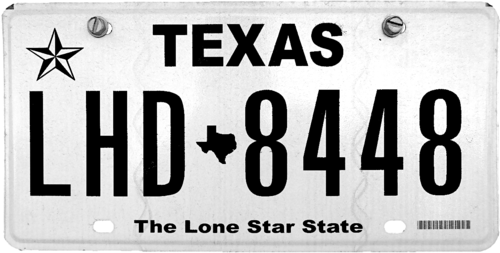
The standard Texas license plate, called the “Texas Classic” and introduced in 2012, has a clean white background with black lettering, a small Lone Star in the upper-left corner, “Texas” at the top, and the slogan “The Lone Star State” at the bottom.
Format and Serialization of Texas License Plate
Current Texas “Texas Classic” plates use a 7-character alphanumeric format (ABC-1234) for passenger vehicles. Plates are issued sequentially, starting from AAA-0001, produced at the Wynne Unit in Huntsville, and require both front and rear plates except for certain specialty vehicles.
License Plate Design in Texas
Texas license plates combine functionality, security, and state pride, offering both standard and specialty designs. The “Texas Classic” plate remains the most common, with modern updates and options for customisation.
- Material & Production: Plates are flat, digitally printed on aluminium with a clear protective laminate. Production occurs at the Wynne Unit in Huntsville, Texas.
- Variations: Specialty plates are available through TxDMV, including “Lone Star Texas” (full-color graphics) and “Panoramic Texas” (featuring iconic state imagery like a space shuttle, oil derrick, and cowboy).
- Custom Options: Authorized vendors such as My Plates provide personalized designs, including black-and-white options, Texas Rangers themes, and other custom graphics.
- Temporary Tag Update: Beginning July 1, 2025, Texas is phasing out paper temporary tags, replacing them with metal plates to reduce fraud and improve security.
License Plate Types in Texas
Texas offers a variety of license plate options to suit everyday drivers, collectors, and enthusiasts. From standard plates to specialty and souvenir designs, each type reflects state pride or personal interests.
General Issue Plates
- Texas Classic: Introduced in 2012, this black-on-white plate is the standard option for passenger vehicles and features the slogan “The Lone Star State.”
- Previous Versions: Older plates, such as the “Davis Mountains” design, remain valid and may still be seen on vehicles across the state.
- Purpose: Issued by the Texas Department of Motor Vehicles (TxDMV) for general, non-specialized use.
Specialty License Plates
- Personalized/Vanity Plates: Customize letters and numbers to create unique combinations.
- Colleges and Universities: Plates feature logos from Texas schools and select out-of-state institutions.
- Military Plates: For veterans, active-duty members, and recipients of specific awards or honors.
- Organizations/Causes: Plates supporting non-profits, community groups, and advocacy organizations.
- Sports Teams: Includes NFL, NBA, MLB, and soccer team designs.
- Specialty/Theme Plates: Unique backgrounds or slogans, including “Don’t Tread on Me” and other decorative designs.
- Eligibility: Some plates are available to all vehicle owners, while others require proof of qualification, such as military service or organizational membership.
Trailer and Commercial Plates
- Description: Full-sized, authentic plates not approved for street use.
- Purpose: Sold as collectibles or decorative items for enthusiasts and collectors.
Souvenir Plates
- Usage: Designed for trailers, heavy trucks, and commercial vehicles.
- Regulation: Issued through the TxDMV with requirements specific to commercial or heavy-use vehicles.
License Plate Cost in Texas
License plate fees in Texas are included as part of vehicle registration and vary by plate type, vehicle, and county. Standard passenger plates, specialty designs, and personalized options each carry different fees.
- Standard passenger cars and light trucks generally cost around $70–$80, covering state, local, and DPS fees.
- Custom text or designs add $50–$200+, depending on the style and level of personalization chosen.
- Eligible digital or connected plates require an additional $45 annually.
- Replacement plates or stickers typically range from $6.50–$50, depending on the item and type of plate.
License Plate Lookup by States
Check any other license plate across different states with our license plate lookup service.
 Alaska
Arizona
Arkansas
California
Colorado
Connecticut
Delaware
Florida
Hawaii
Idaho
Illinois
Indiana
Iowa
Kansas
Kentucky
Louisiana
Maine
Maryland
Massachusetts
Michigan
Minnesota
Mississippi
Missouri
Montana
Nebraska
Nevada
New Hampshire
New Jersey
New Mexico
New York
North Carolina
North Dakota
Ohio
Oklahoma
Oregon
Pennsylvania
Rhode Island
South Carolina
South Dakota
Tennessee
Texas
Utah
Vermont
Virginia
Washington
West Virginia
Wisconsin
Wyoming
Alaska
Arizona
Arkansas
California
Colorado
Connecticut
Delaware
Florida
Hawaii
Idaho
Illinois
Indiana
Iowa
Kansas
Kentucky
Louisiana
Maine
Maryland
Massachusetts
Michigan
Minnesota
Mississippi
Missouri
Montana
Nebraska
Nevada
New Hampshire
New Jersey
New Mexico
New York
North Carolina
North Dakota
Ohio
Oklahoma
Oregon
Pennsylvania
Rhode Island
South Carolina
South Dakota
Tennessee
Texas
Utah
Vermont
Virginia
Washington
West Virginia
Wisconsin
Wyoming
FAQs About Texas License Plate Lookup
Can you look up a Texas license plate owner?
To look up a Texas license plate owner, you must have a legally permissible reason. Authorized services such as Auto Data Direct provide official records for qualified users like towing companies, insurers, and attorneys. Public VIN lookup sites may show vehicle details or history, but owner names are protected under the DPPA and generally require law enforcement or authorized access.
Can I identify someone by their license plate?
You generally cannot identify an individual by their license plate alone. The Driver’s Privacy Protection Act (DPPA) restricts access to personal information, allowing only law enforcement, insurers, and licensed investigators to obtain owner names or addresses for legitimate purposes such as accidents, legal claims, or investigations.
Is it legal to look up license plates in Texas?
Texas license plates can be searched for basic vehicle information and history using third‑party tools, either free or paid. However, accessing the registered owner’s name typically requires law enforcement involvement or a legally valid reason under federal privacy laws. Most public searches return vehicle data only, not personal details.
Can I check a license plate for free?
Free license plate lookup tools can provide basic information such as the vehicle’s make, model, year, and limited reports. These services are intended for vehicle identification or reporting purposes and do not disclose personal owner information due to privacy protections.
Should I be worried if someone takes a picture of my license plate?
License plates are public, and privacy laws like the DPPA make it hard to get personal info from a photo. Still, stay cautious, if someone seems suspicious, consider filing a non-emergency police report to have it on record.