
Check the Vehicle’s Specs With North Carolina License Plate Lookup
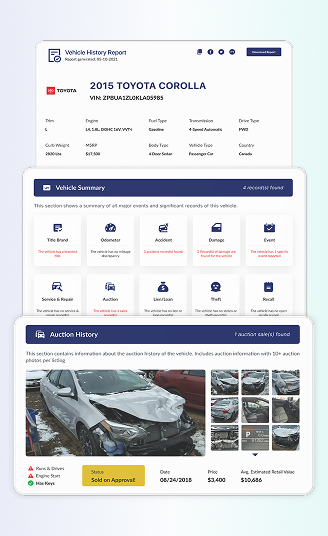
A North Carolina license plate lookup helps buyers and sellers access important vehicle information using a plate number. With a vehicle report, you can review specifications, auction and maintenance records, title details, and verified odometer readings before making a decision.
What is a North Carolina License Plate Lookup?
A North Carolina license plate is issued by the North Carolina Division of Motor Vehicles (NCDMV) for passenger cars, trucks, motorcycles, trailers, and approved specialty vehicles. Each plate links a vehicle to its official registration and title records within the state.
A North Carolina license plate lookup allows buyers and sellers to review a vehicle’s background using the plate number. A vehicle history report may include the year, make, model, engine details, title and lien records, accident history, mileage data, and other records that help reduce legal and financial risks.
Why Should You Check a License Plate in North Carolina?
Running a North Carolina license plate lookup helps confirm a vehicle’s condition, history, and legal status before completing a sale or purchase.
Buying a Used Vehicle
A plate lookup helps identify prior accidents, title branding, mileage inconsistencies, and past usage that could affect the vehicle’s value, safety, or long-term reliability.
Assessing Long-Term Reliability
Reviewing maintenance and service records provides insight into how well the vehicle was cared for by previous owners and whether major repairs were performed on schedule.
Verifying Odometer Accuracy
Comparing historical mileage records with the current odometer reading helps detect odometer rollback, a common form of vehicle fraud in private sales.
Selling a Vehicle
Sellers can benefit from checking their vehicle’s history before listing it. Providing accurate, verified information builds trust and helps answer buyer questions early.
Supporting a Fair Asking Price
A documented vehicle history report helps justify your pricing by showing proof of condition, mileage, and ownership history, which can speed up negotiations.
Addressing Potential Red Flags Early
Running a lookup in advance allows sellers to identify issues such as minor accidents or title notes and address them before the vehicle is listed.
Verifying Auction or Private Listings
Auction and private-party listings may omit key details. A plate lookup helps compare advertised information with official records to spot inconsistencies.
Confirming Vehicle Specifications
Private listings may contain errors related to trim level, engine type, or drivetrain. A lookup confirms the vehicle matches what is being advertised.
Reviewing Ownership History
Checking ownership transitions helps determine how often the vehicle changed hands and whether it was likely used as a personal, fleet, or commercial vehicle.
Avoiding Fraud and Hidden Problems
A North Carolina license plate search can uncover title issues, lien records, theft reports, or mileage discrepancies that may lead to legal or financial trouble later.
Detecting Salvage or Flood Titles
North Carolina reports may reveal salvage, rebuilt, or flood-related title branding, helping buyers avoid unsafe or improperly repaired vehicles.
Checking for Outstanding Liens
Verifying lien records ensures the vehicle does not have unresolved financial claims, helping buyers receive a transferable title without complications.
What Information Will You Get With the North Carolina License Plate Lookup?
Once a North Carolina license plate search is completed, you receive a detailed vehicle report. This report highlights key records and historical data that should be reviewed carefully before buying, selling, or transferring ownership of a vehicle.
Vehicle Specification
This section outlines essential vehicle details, including year, make, model, trim level, body type, engine configuration, transmission, fuel type, and country of manufacture. It helps confirm the vehicle’s identity and ensures it matches the specifications claimed by the seller.
Ownership History
Ownership history shows how the vehicle changed hands over time, including the total number of owners and approximate ownership durations. While registration events are recorded, personal owner details remain protected under Louisiana and federal privacy regulations.
Accident Reports
Accident reports list documented collisions involving the vehicle, including available dates and reported locations. Reviewing this section helps assess whether past damage may affect the vehicle’s structural integrity, safety systems, performance, or long-term market value.
Sales Records
Sales records reflect past transactions tied to the vehicle, including ownership transfers and sale events. This information helps buyers identify frequent resales, unusual transaction patterns, or price inconsistencies that could signal unresolved mechanical or legal concerns.
Mileage Records
Mileage records compare odometer readings reported at different stages, such as registration updates, inspections, or sales. Reviewing these entries helps detect inconsistencies or gaps that may indicate odometer rollback, clerical errors, or inaccurate mileage reporting.
Auction History and Photos
If the vehicle was previously sold at auction, this section provides auction dates, sale locations, and transaction details. When available, condition photos offer visual insight into the vehicle’s appearance and state at the time of auction listing.
Lien or Loan Records
Lien or loan records show whether unresolved financial obligations are attached to the vehicle. Active liens can delay or prevent ownership transfer in Louisiana, making this section essential to review before completing any purchase or sale agreement.
Title Information
Title information confirms the vehicle’s legal title status within Louisiana records. It shows whether the title is clean or carries branding such as salvage, rebuilt, flood, or other designations that may affect registration, insurance, or resale value.
Theft Records
This section verifies whether the vehicle has ever been reported stolen. When available, it may include report dates and locations. Purchasing a stolen vehicle can result in seizure by authorities, even if the buyer acted in good faith.
Warranty Coverage
Warranty coverage indicates whether factory or extended warranties remain active. It may include coverage duration, mileage limits, and warranty types such as powertrain protection, corrosion coverage, or manufacturer-backed roadside assistance programs.
Service and Maintenance History
Service and maintenance history provides insight into how consistently the vehicle was cared for over time. Records may include service dates, locations, and types of maintenance or repairs, helping buyers evaluate reliability and overall mechanical condition.
Recall Information
Recall information lists manufacturer-issued safety or mechanical recalls associated with the vehicle. This section shows recall descriptions and current status, helping determine whether required repairs were completed or if unresolved recalls still require attention.
How to Check a North Carolina License Plate?
To check the license plate and get the legit vehicle history report in North Carolina, you can follow these simple steps:
Get the License Plate Number
Firstly, you’ll need to get the license plate number. You may check on the front or rear side of the vehicle. If you can’t find it, you may ask the seller.
Fill in the Form
After you get the license plate number, write down the number on the form above. Then, click on the button to submit the form.
Get the Report
After the form has been submitted. Wait for seconds to get the report generated, then proceed to payment to get the full report.
Can You Lookup North Carolina License Plate for Free?
Yes, you can do a free North Carolina license plate lookup with our free lookup service. Here’s what you’ll be getting from our free service.
- Associated VIN number
- Year, Make, and Model
- Country of Origin
- Market Value
- Transmission Type
- Fuel Type
- Drive Type
- Body Type
- Trim Information
- MSRP
- Engine Specifications
- Dimensions
- Sales/auction history
- Market value
- Mileage
North Carolina Laws on License Plates
North Carolina law typically requires only a rear license plate, though specific vehicles may be subject to different regulations. For a vehicle to be road-legal, the plate must be clearly visible and not obstructed by covers or tinted materials.
Additionally, the plate must be readable at night via a white light. Violating these visibility requirements is a punishable offence, carrying potential fines of $100 and court costs.
Security of Information on North Carolina License Plates
The new SC250 license plate, debuting in early 2026, sets a new standard for vehicle security in South Carolina. With 40 distinct anti-counterfeiting measures, including laser-engraved details, the design ensures a more secure registration process.
Despite the high level of law enforcement surveillance associated with these plates, the state maintains strict protocols to protect registered owners’ personal data from public disclosure.
North Carolina License Plate Design and Format
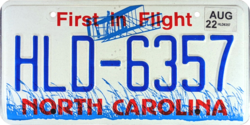
North Carolina license plates are issued in three primary standard designs with reflective, high-contrast finishes: “First in Flight,” honouring the Wright Brothers; “First in Freedom,” referencing the Halifax Resolves; and “In God We Trust.”
Format and Serialization of North Carolina License Plates
The current serial format for North Carolina passenger vehicles, introduced in 1985, uses three letters followed by four numbers (for example, ABC-1234), with the second letter typically limited to the range N through Z.
License Plate Design in North Carolina
New Carolina offers a mix of standard and optional plate designs that highlight state history and identity, with updated themes introduced as part of long-term plate refresh cycles.
- New Standard Revolutionary Design: Introduced in January 2026, this design commemorates the 250th anniversary of the American Revolution. It features a white and indigo background with the historic Moultrie flag, including the palmetto tree and crescent.
- Historical Theme Focus: The plate highlights key Revolutionary War moments, including Sergeant William Jasper and the Battle of Sullivan’s Island, reflecting the state’s role in early American history.
- Availability Through DMV: The new standard plates are issued at Department of Motor Vehicles locations starting January 2026, replacing the earlier “While I Breathe, I Hope” design as part of a 10-year update cycle.
- Alternative Standard Option: Drivers can still choose the “In God We Trust” plate, which remains available alongside the new Revolutionary-themed standard design.
- Expected Issue Period: The Revolutionary War plate design is scheduled to remain in circulation until the end of 2032 before the next major redesign.
Types of License Plates in North Carolina
North Carolina offers several license plate types to match different vehicle uses, personal interests, and eligibility categories, all issued through the North Carolina Division of Motor Vehicles.
- Standard Plates: Most passenger vehicles use either the “First in Flight” design, honouring the Wright Brothers, or the “First in Freedom” design, referencing the Mecklenburg Declaration of Independence.
- Specialty Plates: The state offers more than 100 specialty and organisational plates supporting causes, schools, military recognition, and community groups, each with its own eligibility rules and added fees.
- Personalized Plates: Drivers may request custom letter and number combinations for an additional fee, subject to availability and NCDMV approval guidelines.
- Military and Veteran Plates: Special plates are available for veterans and active-duty members, including recognition for specific conflicts, branches of service, and military awards.
- Antique and Horseless Carriage Plates: Vehicles that are generally 35 years old or older may qualify for antique or horseless carriage plates, which often come with limited-use restrictions.
- Permanent Plates: Certain vehicles qualify for permanent plates, such as yellow-and-black plates for state-owned vehicles or silver-and-black plates for non-state entities, which are exempt from annual registration fees.
- Trailer Plates: Trailers are issued separate plate types with their own formats and single-plate requirements, depending on size and usage.
License Plate Cost in New Carolina
North Carolina license plate costs depend on the plate type, vehicle classification, and county-level taxes, with standard renewal fees applying statewide and added charges for specialty designs.
- Annual Plate Renewal: Standard passenger vehicle plate renewals typically cost around $40 per year, though the exact amount varies by county due to local taxes and fees.
- Specialty Plate Fees: Specialty and organisational plates require an additional $30 annually, with $10 allocated to state projects and $20 supporting the chosen organisation.
- Online Processing Fees: Payments made online through PayIt include a $3 convenience fee plus a 1.85% credit or debit card processing charge.
- Additional Taxes and Registration Fees: Vehicle property taxes and registration fees are calculated separately based on the vehicle type, age, and the county where it is registered.
License Plate Lookup by States
You can check license plates from other states, including:
 Alaska
Arizona
Arkansas
California
Colorado
Connecticut
Delaware
Florida
Hawaii
Idaho
Illinois
Indiana
Iowa
Kansas
Kentucky
Louisiana
Maine
Maryland
Massachusetts
Michigan
Minnesota
Mississippi
Missouri
Montana
Nebraska
Nevada
New Hampshire
New Jersey
New Mexico
New York
North Carolina
North Dakota
Ohio
Oklahoma
Oregon
Pennsylvania
Rhode Island
South Carolina
South Dakota
Tennessee
Texas
Utah
Vermont
Virginia
Washington
West Virginia
Wisconsin
Wyoming
Alaska
Arizona
Arkansas
California
Colorado
Connecticut
Delaware
Florida
Hawaii
Idaho
Illinois
Indiana
Iowa
Kansas
Kentucky
Louisiana
Maine
Maryland
Massachusetts
Michigan
Minnesota
Mississippi
Missouri
Montana
Nebraska
Nevada
New Hampshire
New Jersey
New Mexico
New York
North Carolina
North Dakota
Ohio
Oklahoma
Oregon
Pennsylvania
Rhode Island
South Carolina
South Dakota
Tennessee
Texas
Utah
Vermont
Virginia
Washington
West Virginia
Wisconsin
Wyoming
FAQs About the New Carolina License Plate Lookup
What does a North Carolina license plate lookup report include?
A North Carolina license plate lookup report can provide detailed vehicle history, such as title status, accident records, lien information, and odometer readings. Owner details are only available to authorised users under permitted uses.
Are there free North Carolina license plate lookup services?
Free North Carolina license plate lookup tools can return basic vehicle details like the year, make, model, and limited history, but they cannot display owner information due to privacy laws. Free tools are best for initial checks.
How accurate is North Carolina license plate lookup information?
License plate lookup data in North Carolina is generally reliable for identifying vehicle specifications and history, but public tools cannot access personal owner records. Most free services rely on third-party databases rather than live DMV systems.
Can I get the VIN from the North Carolina license plate lookup?
Yes, a Vehicle Identification Number (VIN) can often be retrieved using a North Carolina license plate lookup. Online services allow users to enter a valid plate number to view the VIN, vehicle specifications, and available history details.
What are the limitations of North Carolina license plate lookup services?
North Carolina license plate lookup services are heavily restricted by the Driver’s Privacy Protection Act (DPPA). Personal identifying information is limited to law enforcement and authorised purposes, leaving public lookups with only non-personal vehicle data.