
Check Vehicle’s Past with an Alaska License Plate Lookup
Buying a used car, but don’t know where to check its background? Use the license plate lookup in Alaska tool and get the vehicle history report. See if the vehicle was involved in an accident, marked as salvage, or even sold at an auction.
What is the Alaska License Plate Lookup?
An Alaska license plate is issued for various types of vehicles, including passenger vehicles, commercial vehicles, motorcycles, trailers, mopeds, and certain specialty vehicles. Unlike many other states, Alaska retains the license plate for the entire lifespan of the vehicle, including older and antique models.
An Alaska license plate lookup service enables buyers and sellers to review a vehicle’s background using its plate number. This service helps verify whether the details in the listing match the official state records before a sale is finalised.
By looking up the license plate, you can get a vehicle history report in Alaska. It reveals crucial details such as the year, make, model, engine data, title status, lien information, accident history, mileage, and more. This helps avoid costly mistakes and disputes between sellers and buyers in the future.
Why Should You Run an Alaska License Plate Search?
Using an Alaska license plate search tool can provide insights into a vehicle’s history before any transaction takes place. Here are some reasons why a license plate search is crucial:
Buying a Used Vehicle
Checking the license plate in Alaska helps you gather important information about the vehicle’s past, including ownership history, title status, and any previous issues.
Review Ownership and Title History
You can see the vehicle’s previous owners and verify whether the title is clean or has been marked as salvaged, rebuilt, or branded with another title status.
Detect Past Issues Early
A thorough lookup helps identify any past accidents, damage, or discrepancies that may not be obvious during a simple inspection of the vehicle.
What Information Can You Get from the Alaska License Plate Lookup?
By decoding the VIN, you can get the vehicle history report. You can see many important pieces of information, like accident history, auction records, mileage history, and many more. Here’s the information you can get:
Vehicle Specifications
This section details the vehicle specifications, such as engine type, fuel, and transmission. It also includes the country of origin and MSRP. These help assess whether the vehicle fits your budget and daily usage needs.
Ownership History
The license plate lookup offers access to the vehicle’s ownership history. This section helps you find insight into past owners, including how long they kept the vehicle. It also reveals the locations where the vehicle was previously registered.
Title Status
Check the vehicle’s legality and safety through a title check in the vehicle report. Check for title brands like “salvaged,” “rebuilt,” or “lemon” to ensure the vehicle has a clean title. A clear title means that the vehicle is fully legal to be driven on the road.
Theft Records
This section checks whether the vehicle has been reported stolen. You’ll find details on the date and location of the theft. If you purchase a stolen vehicle, it can be seized by authorities, and you won’t get your money back.
Accident Records
Accident records provide a history of reported collisions involving the vehicle. It shows how many accidents the vehicle was involved in and when they occurred. This helps assess the vehicle’s overall condition before purchase or sale.
Mileage Verification
Mileage verification ensures that the vehicle’s recorded mileage is accurate. This section shows historical mileage data and highlights any discrepancies. It helps detect odometer tampering or rolled-back readings before you finalise the deal.
Auction Insights and Photos
This part confirms whether the vehicle was ever sold at auction. You’ll find auction dates, locations, vehicle status, and final sale prices. In addition, up to ten photos are included to show the vehicle’s condition during the auction.
Lien or Loan Information
Lien information reveals any outstanding financial claims on the vehicle. If a lien exists, it could prevent the transfer of ownership. Make sure all debts are cleared before purchasing to avoid financial complications.
Warranty Coverage
This section shows the status of factory or extended warranties. It includes details like mileage limits and expiration dates. Warranties for roadside assistance, corrosion protection, and other services are listed for clarity.
Damage Records
Check for records of damage caused by accidents, natural disasters, or other factors. You’ll see details about the extent of the damage and whether repairs have been made. Examine this section to ensure you do not need to deal with any other repairs.
Maintenance Records
Review the maintenance history to see how well the vehicle has been cared for. This section includes service dates, locations, and the parts that were maintained or repaired. A well-maintained vehicle typically means fewer long-term issues.
Recall Information
A recall was done to fix the serious issues in a vehicle. In the report, you’ll see the complete recall history, including the date, causes, fixes, and status of the recalls (open or closed).
How to Lookup the Alaska License Plate?
To check the license plate in Alaska, you just need to have the VIN and follow these instructions.
Locate the License Plate
Start by locating the vehicle's license plate number. You can ask the seller directly or find it listed on the bill of sale.
Enter the License Plate Number
Once you have the license plate number, simply enter it into the form above. Select the state, and then click on the “Search” button to retrieve the vehicle’s details.
Access the Vehicle History Report
Wait for a few seconds to get the report generated. Examine the preview page and proceed to payment to get the full car report in Alaska.
Can You Lookup an Alaska License Plate for Free?
Yes, you can look up an Alaska license plate for free with our service. With our free license plate service, you will get this important information:
- Associated VIN number
- Year, Make, and Model
- Country of Origin
- Market Value
- Transmission Type
- Fuel Type
- Drive Type
- Body Type
- Trim Information
- MSRP
- Engine Specifications
- Dimensions
- Sales/auction history
- Market value
- Mileage
Alaska Laws on License Plate
In Alaska, most vehicles only need one license plate, displayed on the rear side. However, commercial vehicles that weigh over 10,001 pounds need a front license plate. If you are a new resident in the town, you must register the vehicle within 10 days, while a non-resident gets 60 days.
Security of Information in Alaska License Plates
Alaska’s license plate security covers both physical protections, such as anti-counterfeiting features on the plates, and digital protections tied to Automated License Plate Readers (ALPRs).
The Alaska DMV has introduced a new driver’s license plate and IDs with additional translucent elements placed on the back. With this added feature, it aims to fight counterfeiting.
Alaska License Plate Design and Format
As of 2023, the license plate was issued by the Alaska Department of Administration through its Division of Motor Vehicles. Only rear plates are required from August 2022.
Format and Serialisation
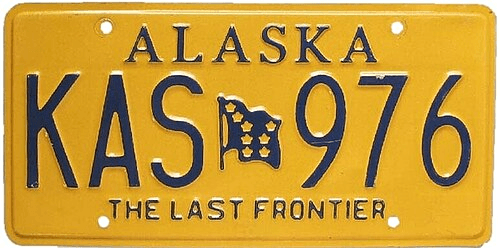
Most standard plates use a three-letter followed by three-numbers pattern like ABC 123, with the state name shown at the top. Alaska only requires a single rear plate for most vehicles, though some larger commercial vehicles may still need a front plate. This system helps keep plates simple and easy to read on the state’s roads.
License Plate Design
The standard license plate features the classic “Last Frontier” theme or the yellow background commonly associated with Alaska registration. Aside from the standard plate, the Alaska DMV has plenty of other choices, such as personal plates, supporting causes plates, disability plates, and plates to show support for Alaskan universities.
Types of License Plates in Alaska
Alaska offers many license plate options to serve different needs and preferences. These plates help identify vehicles, show support for causes, or recognise specific groups. Each type has its own requirements and fee structure under Alaska DMV rules.
Standard Passenger Plates
The default plate for most vehicles includes classic designs like the yellow background or themed options such as the Grizzly Bear plate.
Personalized Plates
Personalized plates incur an extra fee beyond registration costs and must follow DMV content rules.
Cause and Specialty Plates
Alaska offers plates that support charities, causes, or organisations. Examples include Breast Cancer Awareness, Children’s Trust, or Support Our Troops plates. Fees vary, and part of the cost often benefits the associated program.
Veteran and Military Plates
Plates honouring military service are available for veterans, former POWs, Gold Star families, and Purple Heart recipients.
Disability Plates
Qualified individuals can receive disability license plates at no cost for vehicles they own. These plates may include parking privileges if the eligibility criteria are met.
University and Organisation Plates
Support plates for Alaska universities (UAA, UAF, UAS, PWS) and fraternal organisations (like firefighters or Lions Club) are available with designated initial fees.
Historic and Collector Plates
For vehicles over 30 years old, historic plates can be issued with a low fee. Custom collector plates are available for cars built before 1949, with specific conditions for safe road use.
Other Special Plates
Other options include Iditarod Finisher plates and unit designator plates for specific military branches, adding flexibility for niche interests or recognitions.
Costs of License Plates in Alaska
Alaska keeps license plate fees relatively low, with most costs tied to vehicle registration rather than the plate itself. Fees vary based on plate type, replacements, and whether specialty or personalized designs are selected.
- Standard license plates: No initial plate fee, with a $5 replacement cost.
- Specialty and personalized plates: Typically range from $30 to $33, depending on the design.
- Vehicle registration: Generally around $100 for passenger vehicles, with additional local or municipal fees possible.
- Title transfer fee: $35, if ownership changes.
- Plate requirement: Only one rear license plate is required.
License Plate Lookup by States
Our license plate lookup service is available statewide; you can check any other license plate from different states!
FAQs About Alaska License Plate Lookup
What is special about Alaska license plates?
What makes Alaska license plates stand out is how strongly they reflect local culture and pride. Many designs feature wildlife or the Northern Lights, often chosen through public competitions, and the state now uses a single rear plate while still allowing personalisation.
What is the rarest license plate in Alaska?
The rarest Alaska license plate is from 1921, the first year vehicle registration was required in the territory. Only a few still exist, making them extremely valuable to collectors, sometimes selling for tens of thousands of dollars. Plates from the World War II fiberboard era are also highly prized.
Can you look up license plates in Alaska?
Yes, you can run a license plate lookup in Alaska, but personal details like the owner’s name or address are protected under the Driver’s Privacy Protection Act. The Alaska DMV provides limited public vehicle data. If you wish to get more information about the vehicle, you can use our Alaska license plate lookup tool and get the vehicle history report.
Can someone find your address from your license plate in the USA?
No, someone cannot find your address from the license plate in the United States. Federal privacy laws block public access to this information, and only authorised groups such as police, courts, or insurers can view it for official reasons.
Can the police find your address from your license plate?
Police officers can access your address through your license plate by using DMV databases that link plates to registered owners. This access is strictly limited to official law enforcement duties and is not available to the public.