
When shopping for a used car, you may encounter vehicles with either salvage or rebuilt titles. These designations raise questions about a car’s history and condition.
While these vehicles often come with a lower price tag, understanding their implications is crucial before committing to a purchase. Let’s explore the differences between salvage and rebuilt titles and how to decide which, if any, might be right for you.
What is a Salvage Title?
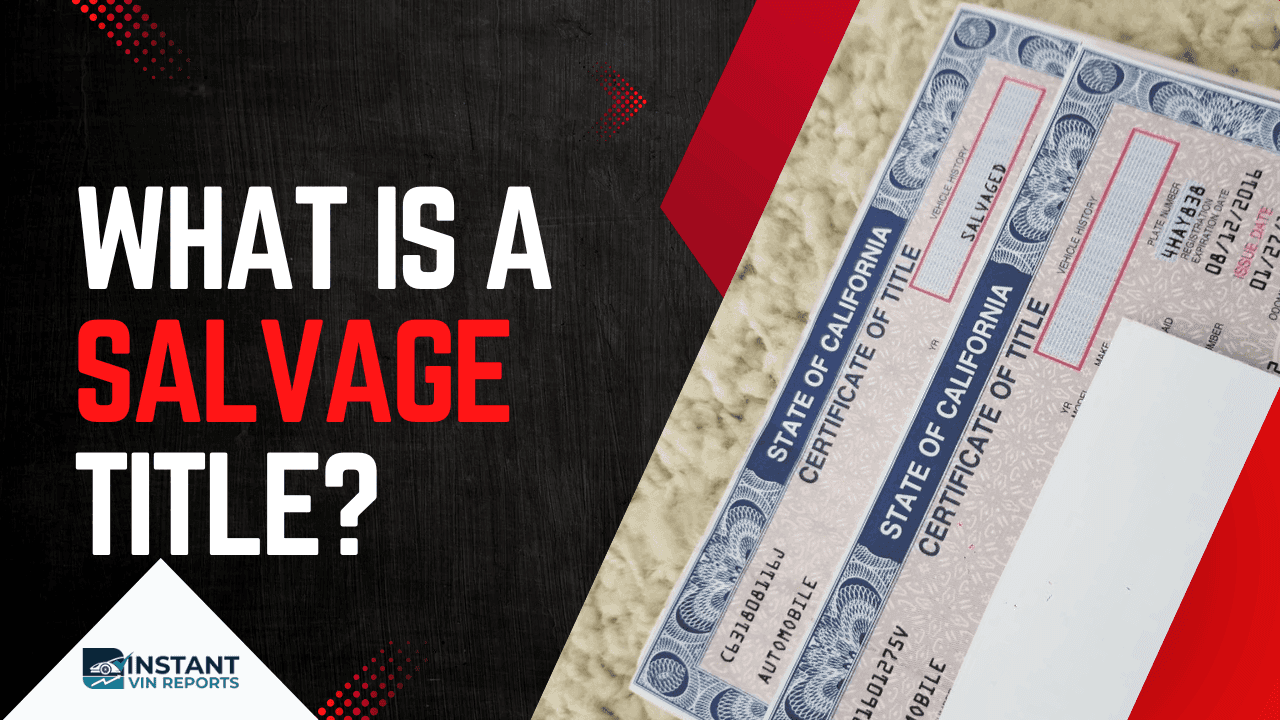
A salvage title means the vehicle has been declared a total loss, typically from accidents, natural disasters, or theft. When the repair costs exceed a certain percentage of the car’s market value, usually between 70% and 90%, depending on the state, the insurance company declares it a total loss.
Once the insurance company writes it off, the vehicle receives a salvage title. Cars with this designation cannot legally operate on public roads until they undergo repairs and pass inspections. At this stage, a salvage title serves as a red flag indicating the car’s troubled past.
Read more: What is a Salvage Title? Risks, Benefits & Buyer's Guide
What Is a Rebuilt Title?
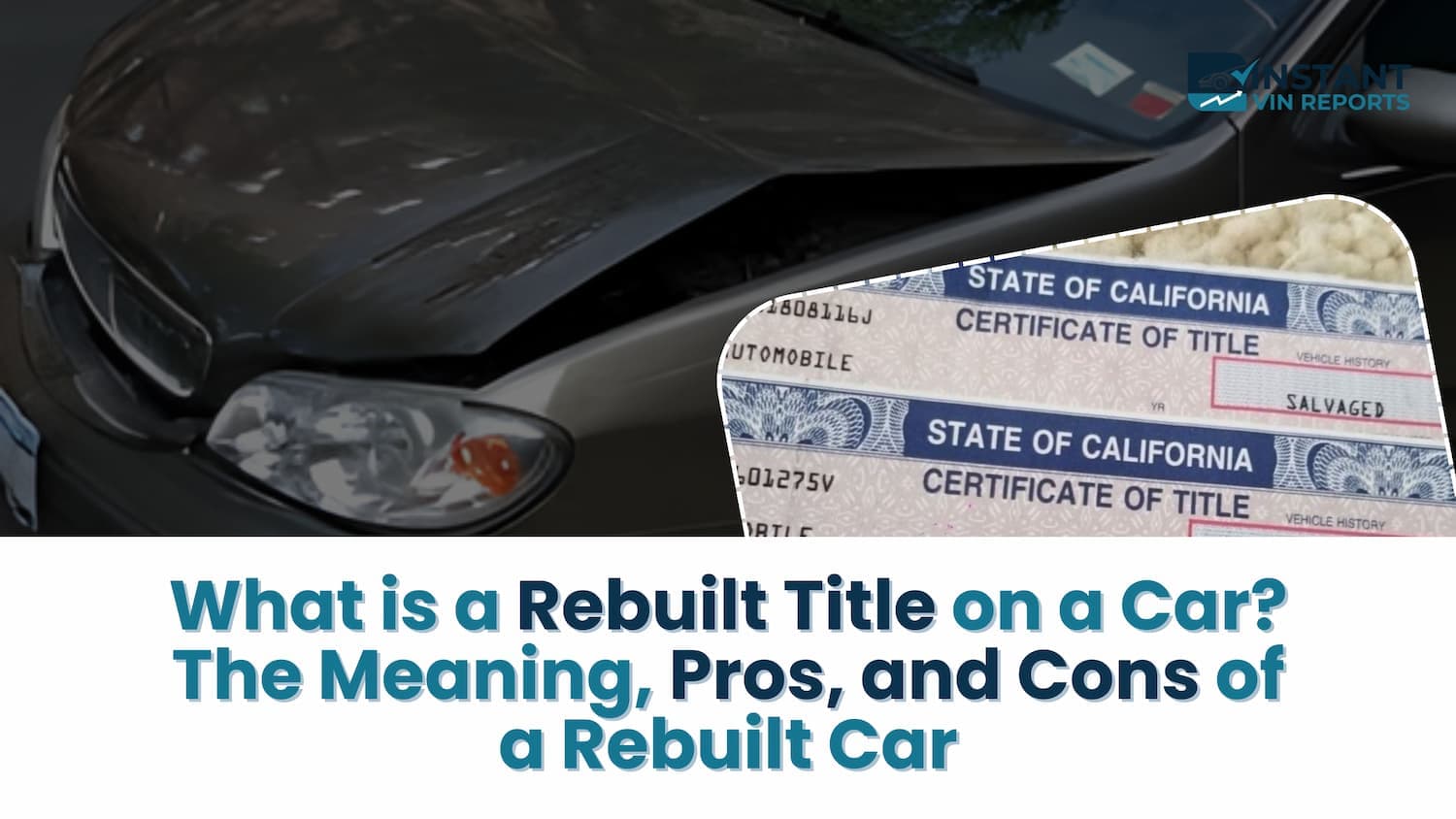
A rebuilt title indicates the vehicle has already been through the repair process, but it doesn't guarantee that every repair meets factory standards. Some rebuilt vehicles receive professional repairs with detailed documentation, while others are repaired just enough to pass inspection. That's why the repair history matters as much as the title itself.
Rebuilt cars can legally return to the road, but their history still affects their resale value and insurability. This designation assures potential buyers that the vehicle, while once severely damaged, has been restored to a functional condition.
For a deeper understanding of rebuilt titles, explore: What’s a Rebuilt Title? All You Need to Know.
Key Differences Between Salvage and Rebuilt Titles:
Many buyers assume a rebuilt title is the same as a salvage title, but that's not the case. While every rebuilt vehicle starts with a salvage title, not every salvage vehicle is repaired or returned to the road. The comparison below explains the differences at a glance.
| Feature | Salvage Title | Rebuilt Title |
|---|---|---|
| What it means | Declared a total loss by an insurer | Previously salvage, now repaired and approved for road use |
| Previous total loss | Yes | Yes |
| Repairs completed | Usually no | Yes |
| Road legal | Generally no | Yes, after approval |
| State inspection | Not yet | Usually required |
| Registration allowed | Usually no | Yes |
| Insurance availability | Limited | More options available |
| Financing availability | Rare | Possible through some lenders |
| Resale value | Lowest | Higher than salvage but below clean title |
| Buyer risk | Unknown repair costs | Depends on repair quality |
| Best suited for | Restoration projects, parts cars | Budget-conscious buyers seeking lower purchase prices |
To check the potential market value of salvage cars, understanding their history is key. Additionally, the cost and effort required to bring the vehicle to a usable state differ. A salvage car might cost less upfront, but it will demand significant repair work. A rebuilt vehicle, although pricier, spares you the uncertainty of restoration and inspection.
Pros and Cons of Buying a Rebuilt Title Car
A rebuilt-title vehicle can be a practical choice if it has been repaired correctly and is priced fairly. Many buyers choose rebuilt cars because they offer similar features to clean-title vehicles at a lower cost.
Pros
- Lower purchase price. Rebuilt title cars are typically 20% to 40% cheaper than comparable clean-title vehicles. You can often afford a higher trim level or luxury brand for the same money.
- Slower depreciation. These cars have already taken their biggest value hit. They don’t depreciate as quickly as clean-title cars.
- Transparency. Unlike a “washed” title (more on that below), a rebuilt title at least tells you something about the vehicle’s history.
- Environmental benefit. You’re keeping a car out of the junkyard.
Cons
- Repair quality varies. Two rebuilt vehicles can have identical titles but very different repair histories. One may have been rebuilt using OEM parts by a certified collision center, while another may rely on used or aftermarket components. Looking at invoices and repair photos often tells you more than the title itself.
- Hidden damage may remain. Flood damage, in particular, can cause electrical and rust issues that don’t surface for months or years.
- Insurance challenges. You can insure a rebuilt-title car, but options are limited, and premiums are higher (often 20% to 40% higher) than for a clean-title vehicle.
- Financing difficulties. Most major banks won’t finance rebuilt title vehicles. Some smaller banks, credit unions, and online lenders will, but often with higher interest rates.
- Lower resale value. Rebuilt title cars are harder to sell. Some dealers won’t accept them as trade-ins.
- Limited legal recourse. Buyers of rebuilt-title cars often have no legal recourse if repairs were done poorly.
Can You Insure a Rebuilt Title Vehicle?
Yes, but it’s complicated. Most insurance companies will offer liability coverage for rebuilt title vehicles, which covers damage you cause to others or their property. However, comprehensive and collision coverage (which pays for damage to your own car) is harder to get. Many providers won’t offer it at all.
Why are rebuilt title cars more expensive to insure?
Insurers view rebuilt vehicles as riskier because:
- The inspection process may have missed mechanical or structural issues
- Hidden damage can make the car more likely to be involved in an accident
- It’s difficult to distinguish between pre-existing damage and new damage
The Importance of Checking a Vehicle’s History Before Buying
A comprehensive vehicle history report is non-negotiable when buying a salvage or rebuilt title car. It reveals:
- The extent of past damage.
- Types of repairs completed.
- Ownership history.
Services like Instant VIN Reports provide accurate, detailed data that help buyers make confident decisions. Running a title check ensures you know exactly what you’re purchasing.
Final Thoughts on Salvage vs Rebuilt Title
Salvage means the car is not roadworthy. Rebuilt means it was fixed, inspected, and is now legal to drive. Both are cheaper than clean-title cars—and both come with real risks. If you’re considering a rebuilt title vehicle, do your homework:
- Run a VIN check to see the historical records of the vehicle
- Get an independent mechanic’s inspection
- Call your insurance company before you commit
- Ask the seller lots of questions and verify their answers
A salvage or rebuilt title shouldn't be the only factor in your decision. Some rebuilt vehicles provide years of reliable service, while others continue to develop problems long after repairs are complete. The safest approach is to combine a VIN history report with a professional inspection and complete repair documentation. Together, those three steps give you a much clearer picture than the title alone.
Salvage vs. Rebuilt Frequently Asked Questions
What is the difference between a salvage title and a rebuilt title?
A salvage title means the vehicle was declared a total loss by an insurance company because repairing it wasn't considered economically practical. A rebuilt title means that same vehicle was repaired, passed the required state inspections (where applicable), and can legally return to public roads. Every rebuilt title starts as a salvage title, but not every salvage vehicle becomes rebuilt.
Is it safe to buy a rebuilt title car?
Yes, it can be, but only if you verify its history and repair quality first. A rebuilt title alone doesn't tell you how well the vehicle was repaired. Before buying, check the vehicle's title history, accident records, damage history, ownership records, and have it inspected by an independent mechanic. Running a VIN check with Instant VIN Reports helps you understand what happened before making a purchase.
Is a salvage title car worth buying?
It depends on your experience and expectations. Salvage vehicles often cost less, but they may require significant repairs before they can be driven legally. For most buyers, a properly repaired rebuilt-title vehicle is usually a more practical option than purchasing a salvage vehicle that still needs restoration.
Is a rebuilt title car reliable?
A rebuilt title doesn't automatically make a vehicle unreliable. Reliability depends on how well the repairs were completed, the quality of replacement parts, and how the vehicle has been maintained since. Reviewing the vehicle's history and repair documentation provides a much better picture than the title alone.
How can I check if a vehicle has a salvage or rebuilt title?
The easiest way is to perform a VIN title check before buying the vehicle. A VIN history report from Instant VIN Reports can help you identify title brands, total-loss records, accident history, ownership changes, auction history, odometer records, and other important information that may affect your buying decision.
Can I insure a rebuilt title vehicle?
In many cases, yes. Most insurers offer liability coverage for rebuilt-title vehicles, while comprehensive and collision coverage depend on the insurer's underwriting guidelines and the vehicle's condition. Requirements vary, so it's a good idea to obtain an insurance quote before completing your purchase.
Can I finance a rebuilt title car?
Some lenders finance rebuilt-title vehicles, while others do not. Approval often depends on the vehicle's age, value, repair history, and the lender's policies. Buyers may also encounter higher interest rates or larger down payment requirements than they would for a clean-title vehicle.
How does a rebuilt title affect value?
A rebuilt-title vehicle is generally worth less than a similar vehicle with a clean title because its damage history remains permanently attached to the VIN. The actual difference in value depends on factors such as repair quality, vehicle condition, mileage, and market demand.
What's cheaper: salvage or rebuilt title?
Salvage-title vehicles are usually less expensive because they haven't yet been repaired or approved for road use. Rebuilt-title vehicles typically cost more because they've already undergone repairs and can generally be registered and driven legally.
Can a salvage title vehicle be driven on public roads?
In most states, no. A salvage-title vehicle usually cannot be legally registered or driven until it's repaired and meets the state's inspection requirements for a rebuilt title. Because regulations vary, always check your local requirements before purchasing a salvage vehicle.
What inspections are required for a rebuilt title?
Inspection requirements vary by state, but they commonly verify the vehicle's identity, confirm repairs have been completed, and determine whether the vehicle meets minimum roadworthiness standards. Passing an inspection doesn't necessarily guarantee every repair was performed to factory specifications, so reviewing repair records remains important.
Does a rebuilt title affect insurance rates?
Yes, it can. Some insurers charge higher premiums for rebuilt-title vehicles because determining the vehicle's value and repair history may involve additional risk. Premiums, however, vary by insurer, the vehicle itself, and the type of coverage you choose.