
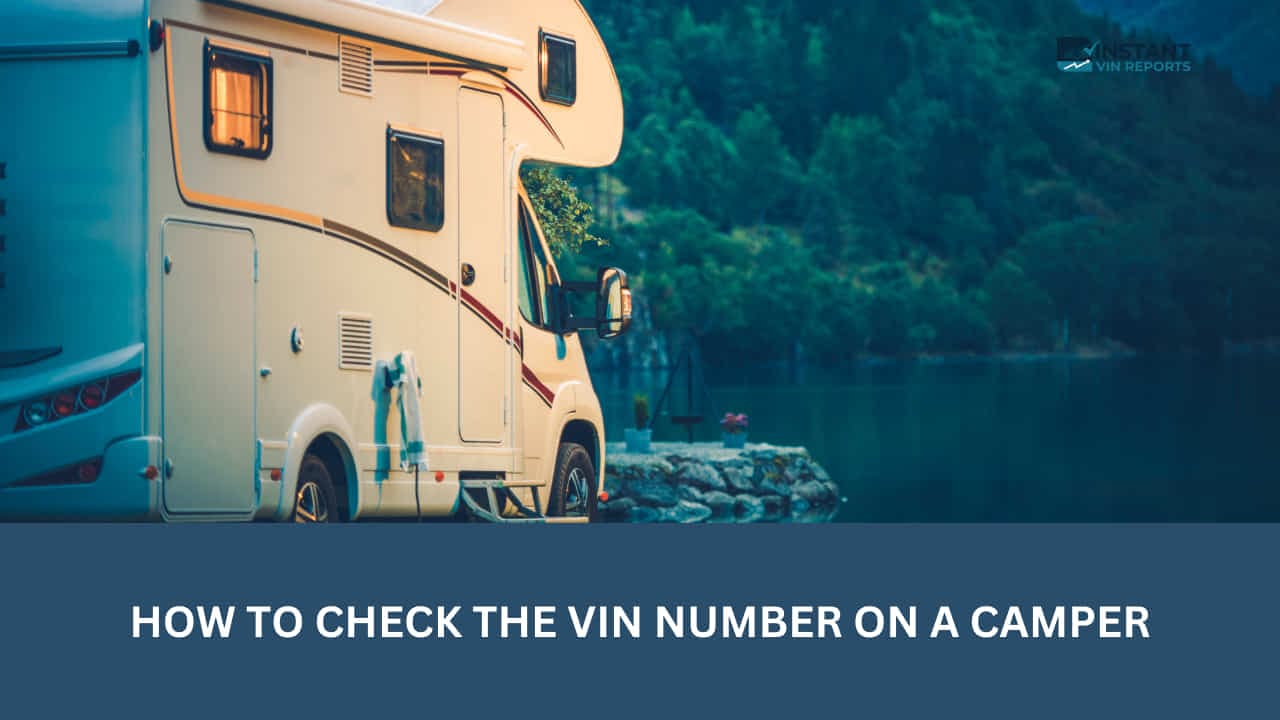
Buying a used camper without checking the VIN is a bit like buying a house without looking at the inspection report. The camper may look well-maintained, but the VIN can reveal details you won't see during a walk-around.
A camper VIN lookup helps confirm the vehicle's identity, verify its factory specifications, and check the market value for free. This guide explains where to find a camper VIN, how to check it, and what the results can tell you before you buy.
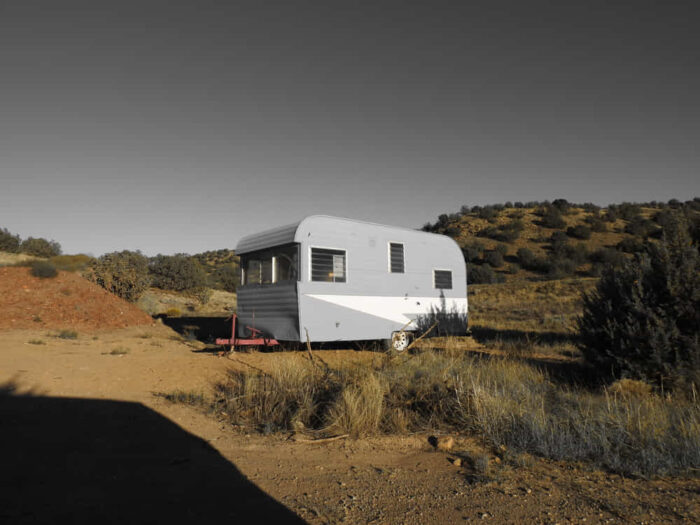
What Is a Camper VIN Number?
A camper VIN number is the unique identifier assigned to a travel trailer, fifth wheel, truck camper, or motorhome. It helps confirm the vehicle's identity and factory specifications and more.
It’s a 17-digit code that contains a wealth of information about the camper’s history and specifications. Take note that the VIN can also be less than 17 characters (5 to 14 characters) in classic vehicles. This doesn’t, however, make the VIN obsolete, as it’s still valid. With the VIN, you can get:
- The make and model of the camper
- The year of manufacture
- The country of origin
- The engine size and type
- The transmission type
- Any optional equipment installed on the camper
- The Camper’s MSRP and estimated market value
For campers built since 1981, the VIN follows the standardized 17-character format used across the automotive industry. Older campers and vintage RVs may have shorter VINs or manufacturer-specific serial numbers, but they can still be decoded with tools that support classic vehicles.
Knowing all this information can be crucial when you’re considering buying a used camper. You want to make sure you’re getting a camper that’s safe and reliable, and that hasn’t been in any major accidents or suffered any serious damage, and to do this, you need to decode the VIN with a reliable VIN decoder or VIN check tool.
Why You Should Check a Camper VIN Before Buying
Two campers may look nearly identical, but their histories can be completely different. One may have had a single long-term owner and a clean title, while another may have been involved in multiple accidents or changed ownership several times. Checking the VIN before buying helps you:
- Confirm the camper's identity
- Verify the model year and specifications
- Compare the VIN with the title
- Review available ownership history
- Check reported accidents or damage
- Look for recalls
- Identify reported lien records
Taking a few minutes to verify the VIN gives you more confidence before making one of the biggest purchases many RV owners will make.
Where to Find the VIN Number on a Camper
Unlike passenger vehicles, campers don't all place the VIN in the same location. The exact placement depends on the type of RV and its manufacturer. Common places to check include:
- Trailer tongue or A-frame
- Chassis frame
- Federal certification label
- Driver's side entry door
- Front storage compartment
- Vehicle title
- Registration documents
- Insurance paperwork
If you're inspecting a used camper, compare the VIN in at least two locations to make sure they match before continuing with the purchase.
How to Check the VIN Number on a Camper
Now that you know why the VIN number is extremely important, let’s walk you through how to check the VIN number on a camper. The easiest way to do this is to use the VIN check tool provided by Instant VIN Reports.
After locating the VIN, enter it into Instant VIN Reports to verify the camper's factory specifications. If you're considering buying the vehicle, review the available history records before making a decision. Here’s how to check the VIN number using Instant VIN Reports:
Step 1: Locate the VIN number
Find the VIN on the camper itself. Before running a search, make sure all characters are readable. A single incorrect digit can return inaccurate results.
ALSO READ: How to Check a Motorcycle’s VIN Number
Step 2: Decode the VIN
Once you have the VIN number, go to Instant VIN Reports’ website. Enter the VIN into a VIN decoder to verify the camper's factory specifications, at no cost. A VIN decoder can confirm information such as:
- Manufacturer
- Model
- Model year
- Body style
- Trim
- Engine information (motorhomes)
- Manufacturing details
- Market value
Compare these results with the seller's listing to make sure everything matches.
Step 3: Review the Vehicle History
You can upgrade to a detailed report based on the VIN number you input. Some of the information you can find in the report includes:
- Lien and loan records
- Active recalls
- Accident history
- Damage history
- Title brand check
- Maintenance schedules
- Theft records
- Service records
- Auction history with more than 10 photos
- Sales history, etc.
Reviewing these details before purchasing gives you a clearer picture of the camper's past and helps reduce unexpected surprises after the sale.
Camper VIN Number Lookup For Free
While Instant VIN Reports does charge a fee for comprehensive vehicle history reports, you can also utilize our free VIN decoder to get an idea of the vehicle’s specifications before payment is made for that vehicle. With our free VIN decoder, you can access the
- Year
- Make
- Model
- Trim
- Engine specifications
- Transmission
- Body style
- Suspension, and more
This way, you can be sure of the vehicle’s performance before committing to any purchase.
ALSO READ: The future of car-reporting technology and how it benefits consumers
Red Flags to Watch for When Checking a Camper VIN
A VIN lookup doesn't always reveal a serious problem, but it can highlight issues that deserve a closer look. These include:
- Missing VIN plates
- VIN mismatches
- Reported title brands
- Active liens
- Undisclosed accident history
- Missing ownership documents
Verifying these details early can help you avoid unexpected legal or financial issues later.
Tips for Buying a Used Camper Safely
A VIN check is one part of a smart buying process. Before purchasing a used camper, it's also worth:
- Inspecting the roof for leaks
- Checking the frame for rust
- Testing electrical systems
- Looking for signs of water damage
- Verifying appliances work correctly
- Comparing the VIN with all ownership documents
- Scheduling an independent inspection for expensive purchases
Combining a physical inspection with a VIN check gives you a much clearer understanding of the camper's overall condition.
How to Check a Classic Camper?
Do we have a database and vehicle information on classic cars? Yes! Instant VIN Reports can effectively decode classic and vintage VINs and provide accurate information to car buyers and enthusiasts interested in classic vehicles.
Classic vehicles are old vehicles and may not have the original parts that they were manufactured with. If you have the vehicle specifications right in front of you, you can determine just how original the classic car you are interested in is, and remember that originality is a big determinant of the vehicle’s market value. So, don’t buy a fake classic camper; get a vehicle history report first.
Why Should You Use a Vehicle History Report?
A VIN decoder confirms what the camper is. A vehicle history report helps explain what has happened to it over time. If you're planning to purchase a used camper, reviewing available title records, ownership history, recalls, accident reports, lien information, and auction history can help you make a more informed decision before completing the sale.
Instant VIN Reports combine these records into a single report, making them easier to review.
The process is fast and easy
Using Instant VIN Reports to check the VIN number on a camper is fast and easy. All you need is the 17-digit VIN number, and Instant VIN Reports will generate a detailed report for you in seconds.
The reports are extra comprehensive
Instant VIN Reports’ vehicle history reports are the most comprehensive on the market. We contain a wealth of information in our car database about millions of vehicles and can easily provide detailed vehicle information immediately. The report is properly structured and designed for ease of use and is concise enough to provide reliable information.
It saves you money
Using Instant VIN Reports to check the VIN number on a camper can save you money in the long run. If the report shows that the camper has been in an accident or suffered damage, you can avoid buying a camper that may have hidden problems. This can save you costly repairs and potentially even prevent accidents on the road.
Final Thoughts on Camper’s VIN
Checking the VIN number on a camper takes only a few minutes, but it can provide information that's difficult to uncover during a visual inspection alone.
A VIN lookup helps confirm the camper's identity and factory specifications, while a vehicle history report adds valuable context by reviewing available title records, ownership history, reported accidents, recalls, liens, auction activity, and other historical records.
Whether you're buying a travel trailer, fifth wheel, truck camper, or motorhome, verifying the VIN before completing the purchase is one of the simplest ways to make a more informed decision.
Start with a free VIN decoder to confirm the camper's specifications. If you're ready to move forward with the purchase, review a full vehicle history report to better understand the camper's history before you sign the paperwork.
Frequently Asked Questions on Camper’s VIN
Do all campers have a VIN?
Yes. Nearly every camper has a manufacturer-assigned VIN. Campers built since 1981 typically use the standardized 17-character VIN, while many older campers use shorter manufacturer-specific VINs.
Where is the VIN number on a camper?
The VIN number on a camper is usually located on the trailer tongue or frame, the manufacturer's certification label, or inside the driver's side entry area. It can also be found on the vehicle title, registration, and insurance documents. The exact location depends on whether the camper is a travel trailer, fifth wheel, truck camper, or motorhome.
Can I check a camper VIN for free?
Yes. Our free VIN decoder can confirm the camper's manufacturer, model, model year, trim, and other factory specifications. If you're planning to buy the camper, reviewing a full vehicle history report provides additional information about available title records, ownership history, reported accidents, recalls, liens, and other vehicle events.
What can a camper VIN tell you?
A camper VIN can identify the manufacturer, model, model year, body style, factory specifications, and production information. Depending on available records, it may also provide access to title history, ownership records, accident reports, recalls, lien information, and auction history.
Can I decode a camper VIN myself?
Yes. A VIN decoder can identify basic factory information such as the manufacturer, model, model year, body style, and other specifications. To review title history, ownership records, reported accidents, liens, recalls, or other historical information, you'll typically need a vehicle history report.
Is a trailer VIN different from a motorhome VIN?
Both use VINs, but they identify different types of vehicles. A travel trailer's VIN identifies the trailer itself, while a motorhome's VIN generally identifies the complete vehicle built on its chassis. VIN locations also vary depending on the RV type.
Can I check recalls using a camper VIN?
Yes. Manufacturers use VINs to identify vehicles affected by recalls. Checking for recalls before buying helps you determine whether safety-related repairs have been issued and whether they still need to be completed.
Can a camper VIN tell me if it was stolen?
A VIN alone doesn't indicate whether a camper has been stolen. However, depending on available records, a vehicle history report may include theft-related information reported to participating data sources. It's another reason to review the camper's history before purchasing.
What if the camper's VIN is missing?
A missing VIN should always be investigated before purchasing the camper. If the VIN cannot be verified on the vehicle or through ownership documents, ask the seller for an explanation and supporting paperwork before moving forward.