
Salvage Title Check by VIN: Know Before You Buy
Do not let a salvage title catch you off guard after a purchase. A quick salvage title check by VIN reveals the full title history so you can buy smarter or negotiate a much better price.
The Numbers Behind Salvage Vehicles Are Staggering
Salvaged and rebuilt vehicles are far more common on US roads than you may think, and the statistics make a strong case for always checking before you buy.
2.5 Million
Vehicles declared total losses by insurers each year in the US
1 in 5
Of totaled cars ends up back on the road, gets repaired, and are resold.
25%
Of nearly new totaled vehicles (0 to 1 year old), were rebuilt and returned to the road
What Is a Salvage Title on a Vehicle?
A salvage title is a legal classification given to a vehicle that an insurance company has officially declared a total loss. This happens when the cost to repair the car exceeds a certain percentage of its actual cash value, typically between 70% and 80%, depending on the state.
Once declared a total loss, the vehicle is considered unroadworthy, cannot be legally driven on public streets, and is extremely difficult to insure or finance through most lenders.
How Does a Vehicle Become Salvage
A vehicle can receive a salvage title after a major accident, severe flood damage, fire, hail, or theft recovery where significant damage occurred.
In some cases, a salvage vehicle is later repaired and inspected by a state authority, after which it may be rebranded as a rebuilt title.
Either way, the original salvage brand stays part of the vehicle history and should always be disclosed to potential buyers during any future sale.
Why Run a Salvage Title Check Before Buying?
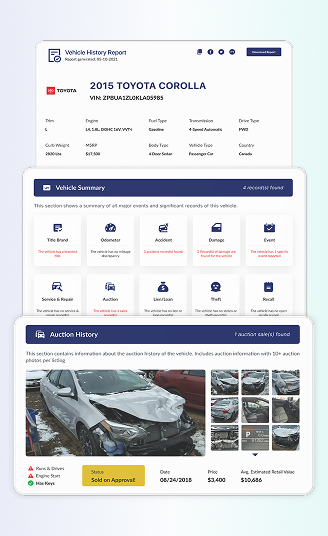
A salvage title check by VIN connects you to the vehicle’s full title history report, giving both buyers and dealerships the facts they need before any transaction moves forward.
Buyers
Buyers face the most risk when purchasing a vehicle with an undisclosed salvage title, making a title check an essential protective step.
Avoid Paying a Premium for a Compromised Vehicle
A vehicle with a salvage or rebuilt title is worth significantly less than a clean-title car and should never be priced the same.
Protect Yourself From Hidden Safety Risks
Salvage vehicles may have structural damage that was not fully repaired, creating safety risks that are not always visible during a physical inspection.
Dealerships
Dealerships need to verify title history on every vehicle they acquire to protect their inventory quality and avoid serious legal liability issues.
Avoid Unknowingly Stocking Salvage Inventory
A dealership that sells a salvage vehicle without proper disclosure faces legal consequences, financial penalties, and serious long-term damage to its business reputation.
Meet State Disclosure Requirements Confidently
Running a title check ensures dealerships have documented proof of each vehicle’s title status, keeping them fully compliant with state disclosure laws.
What Information Does a Salvage Title Check Reveal
A salvage title check report pulls documented title records from insurance companies, state DMV databases, and other official sources to give you a clear and verified picture of the vehicle’s title history. Here’s what to expect:
Title Brand Check
This shows every title brand ever assigned to the vehicle, including salvage, rebuilt, flood, fire, or any other damaging designation recorded.
Type of Damage
This reveals what kind of damage caused the salvage declaration, whether it was collision, flood, fire, hail, or theft recovery.
Date Recorded
This shows the exact date the salvage title or damage event was officially recorded in insurance or state DMV records.
Data Source
This identifies where the salvage information came from, such as a specific insurance company, state title agency, or salvage auction database.
More Records Available in the Full Title Check Report
A salvage title check provides access to the complete vehicle history report, which includes several other important records that are worth reviewing.
Ownership History
This tracks every previous owner and how long each person held the vehicle before selling it.
Title Brands
This shows all title brands ever recorded on the vehicle beyond just salvage, including rebuilt or flood designations.
Accident Records
This reveals every reported accident and collision event tied to the vehicle throughout its history.
Damage Records
This shows any structural or mechanical damage reports that go beyond standard accident records in the history.
Theft Records
This confirms whether the vehicle was ever reported stolen or flagged in any law enforcement database.
Lien Records
This shows whether any unpaid loans or active financial claims are currently attached to the vehicle’s title.
Service and Maintenance Records
This reveals documented service visits and maintenance work reported throughout the vehicle’s ownership history.
Sales History
This provides a complete record of every documented sale, including transaction dates and recorded prices.
Auction Records & Photos
This shows auction appearances with up to 10 photos, dates, and final recorded sale prices for the vehicle.
How to Check Salvage Title by VIN
Checking a vehicle’s salvage title history is instant with our tool. Follow these easy steps to get the complete report:

Step 1: Enter the VIN
Type the vehicle's VIN into our search tool at the top of the page. You can also search by US license plate number if preferred.

Step 2: Search VIN
Get a free instant preview showing the year, make, model, engine, trim, transmission, and body type right away.

Step 3: Get the Vehicle History Report
Pay to get the full report to access title status, salvage records, ownership history, mileage, accidents, and much more instantly.
Real Story: $4000 Well Spent: How A Buyer Dodged a Salvage Van
A smart first-time buyer had two similar car models in mind, both listed at $4,000 each. Before picking one, he bought 2 VIN check credits for $40 and ran reports on both. One report changed everything. Here is what he found on the car he chose not to buy.
What the Report Revealed
- 2 damage records
- A salvage brand record
- 1 lien record
- 1 auction record
Possible Vehicle Condition
Two damage records paired with a salvage brand point to serious past repairs. This Dodge Grand Caravan likely went through major work before landing back on the market.
How the Report Helped
The buyer skipped the salvage-titled van and paid the same $4,000 for a clean-title car instead, getting far more value for his money.
Where Can I Find the VIN?
The VIN number can be found in several places on the vehicle and in its paperwork. Here are the most common locations to check first.
Dashboard Near the Windshield
Look through the front windshield from outside for the VIN plate, which is often on the dashboard’s lower left corner.
Driver's Side Door Jamb
Open the driver’s door and check the door frame for a VIN sticker or plate.
Engine Bay Firewall
Open the hood and look at the firewall — many vehicles have the VIN stamped directly on this panel.
Vehicle Title and Registration
Check the title certificate, registration card, or insurance documents.
Insurance Card or Policy Documents
Your auto insurance card or policy paperwork will always carry the VIN for the vehicle covered under that policy.
Differences Between Salvage Title and Other Title Brands
Not all title brands mean the same thing. Here is a clear breakdown of how a salvage title compares to other common title designations you might encounter.
| Title Brand | What It Means | Can It Be Driven? | Impact on Value |
|---|---|---|---|
| Salvage Title | Car declared a total loss by an insurer due to severe damage | No, not legally roadworthy until repaired and inspected | Reduces value by 20% to 40% or more |
| Rebuilt Title | Salvage vehicle that was repaired and passed a state inspection | Yes, legally roadworthy after inspection approval | Still worth less than a clean-title vehicle |
| Flood Title | Vehicle declared damaged due to significant water exposure | Depends on the extent of damage and state laws | Significantly reduces value and insurability |
| Lemon Title | Vehicle repurchased by the manufacturer due to repeated defects | Yes, but may have ongoing mechanical issues | Reduced value and limited resale appeal |
| Junk Title | Vehicle deemed only suitable for parts or scrap metal | No, considered permanently unroadworthy | Minimal to no resale value as a whole car |
| Clean Title | No reported damage, total loss, or negative brand recorded | Yes, fully roadworthy with no restrictions | Full market value with no deductions applied |
Should You Buy a Salvage Title Car?
Generally speaking, buying a salvage-title car is not recommended for most buyers. Here is a straightforward look at when it is risky and when it might make sense depending on your situation.
| When It Is Risky | When It Might Be Okay | |
|---|---|---|
| Safety Concerns | Structural damage may not have been fully repaired, creating hidden risks | Only if a certified mechanic has thoroughly inspected every repair made |
| Insurance Challenges | Many insurers refuse to cover salvage vehicles or charge much higher premiums | If you have found a specialist insurer willing to cover it at a fair rate |
| Financing Difficulty | Most lenders will not finance a salvage title vehicle, requiring full cash payment | If you are paying cash and do not need to rely on financing |
| Resale Value | Salvage and rebuilt titles are very hard to resell at a reasonable price later | If you plan to keep the vehicle long-term and not resell it |
| Best Buyer Profile | First-time buyers, daily drivers, and anyone needing reliable transportation | Experienced mechanics, collectors, or buyers with very tight budgets only |
Salvage Vehicle State Laws You Should Know
State laws around salvage vehicles vary, and understanding your rights before entering any transaction can protect you from costly legal mistakes.
Disclosure Is Required by Law in Most States
Sellers are legally required to disclose a salvage or rebuilt title to any buyer before completing a sale. A failure can result in the seller facing fraud charges, civil liability, and being required to refund the purchase price to the buyer.
Rebuilt Vehicles Must Pass a State Inspection Before Being Titled
A salvage vehicle cannot simply be repaired and put back on the road. Most states require rebuilt vehicles to undergo a formal inspection by a state-authorized inspector to confirm the repairs meet minimum safety standards.
Title Washing Across State Lines Is Illegal
Moving a salvage vehicle across state lines to obtain a cleaner title in a state with looser regulations is a form of fraud known as title washing. While it is illegal under federal law, it continues to happen, which is exactly why getting a salvage title by VIN.
Instantly Spot Salvage Vehicles With a VIN Check
Do not risk buying a salvage vehicle that looks clean on the surface. A salvage title check by VIN takes seconds and gives you the full title history before you commit to any purchase or payment.
Frequently Asked Questions About Salvage Title Check
How do I check if a car has a salvage title?
Checking if a car has a salvage title is done by running a VIN check to get the vehicle history report. This pulls title records from state DMV databases and insurance companies, showing any salvage, rebuilt, or total loss brands recorded on that vehicle.
Can I check salvage title by VIN?
Yes, you can check a salvage title by VIN using our VIN search tool. Enter the VIN to get the report, which will show all recorded title brands, including any salvage or rebuilt designations tied to that vehicle.
Is there a free salvage check by VIN?
No, there is a free VIN decoding that only shows basic vehicle specs. Accessing the full title history, including salvage and rebuilt records, typically requires a small one-time fee to get the complete VIN report.
What does salvage title mean?
A salvage title means a vehicle was officially declared a total loss by an insurance company because the repair cost exceeded a set percentage of the car's actual cash value, typically between 70% and 80%.
Was my car salvaged if it has a rebuilt title?
Yes, a rebuilt title means the car was previously salvaged. A rebuilt title is assigned after a salvage vehicle has been repaired and passed a state inspection.
What is the difference between rebuilt title and salvage title?
A salvage title means the car is declared a total loss and cannot be legally driven. A rebuilt title means the salvage vehicle was repaired and passed a state inspection, making it roadworthy again.
Can a salvage title be cleared?
A salvage title cannot be fully cleared or erased from a vehicle's history. However, a salvage vehicle can be repaired and upgraded to a rebuilt or restored title after passing a state inspection.
Does a salvage title lower car value?
Yes, a salvage title significantly lowers a car's value, typically by 20% to 40% or more compared to a clean-title vehicle of the same make, model, and condition.
Can I buy a car with a salvage title?
Yes, you can buy a car with a salvage title, but it comes with serious risks, such as safety concerns, limited insurance options, financing difficulties, and lower resale value. It is generally only recommended for experienced mechanics or buyers with specific knowledge of the vehicle's repair history.
Can insurance records show salvage history?
Yes, insurance records are one of the primary sources of salvage history data. When an insurer declares a vehicle a total loss, that information is reported to state databases and national vehicle history systems, making it accessible through the vehicle history report.
Where to find VIN?
The VIN can be found in several locations, including the lower left corner of the dashboard visible through the windshield, the driver's side door jamb, the engine bay firewall, and on official documents like the title certificate, registration card, and insurance policy paperwork.