

You can check whether your vehicle has an open manufacturer safety action using its VIN. Most people only think about these safety campaigns after receiving a mailed notice or seeing headlines.
But checking should also be part of buying a used vehicle. An open campaign may qualify for a free repair, but it won’t tell you whether that car was in a crash, suffered flood damage, or carries title problems.
This guide explains everything you need to know: what a safety campaign is, why manufacturers issue them, what the results mean, when an open campaign should (or should not) change your buying decision, and why checking this alone isn’t enough when evaluating a used vehicle.
You’ll also learn where to find your VIN and how to interpret the different possible outcomes
Key Takeaways:
- A vehicle recall is issued when a manufacturer or a governing body like NHTSA determines a vehicle, part, or piece of equipment poses a safety risk or fails to meet federal safety standards.
- Manufacturers are legally required to remedy the defect at no cost to the owner, whether through repair, replacement, or, in rare cases, a full refund.
- You can use an online VIN lookup to get the vehicle history report to check the recall history of the vehicle.
What is a Vehicle Recall?
A vehicle recall happens when a manufacturer or authority finds a safety problem or a failure to meet safety standards in certain cars. This could be something serious, like an issue with the brakes, airbags, or engine. When a recall is announced, the manufacturer usually offers a free repair or replacement to fix the problem.
Recalls are often started because of complaints from car owners, reports from dealers, or investigations by authorities. Car owners need to check if their car is part of a recall. Ignoring it can lead to safety risks or even legal issues.
How to Find Out If There's a Recall on My Car?
Yes, you absolutely can find out now if there’s a recall on your car, and you should make it a routine check. This is particularly crucial for anyone looking to buy a used vehicle.
Reliable Tools for Checking Recalls
There are several ways to check whether a vehicle has an open safety recall. If you only want to verify whether a manufacturer has issued an unresolved recall, the official NHTSA Recall Lookup is a good starting point for vehicles with a 17-character VIN.
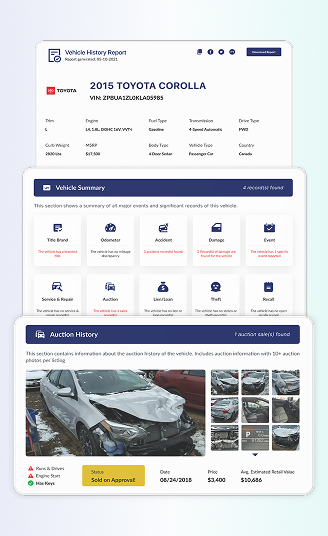
If you’re evaluating a used vehicle, a full Vehicle History Report can provide recall information alongside accident history, title records, ownership history, mileage records, and other available vehicle history.
Here is a side-by-side comparison of the reliable VIN lookup you can choose:
| Data Included | NHTSA Free Recall Lookup (Government) |
Instant VIN Reports Vehicle History Report |
|---|---|---|
| Open safety recalls | ✅ | ✅ |
| Recall campaign number | ✅ | ✅ |
| Recall description & remedy | ✅ | ✅ |
| Works with 17-character VINs | ✅ | ✅ |
| Supports many classic VINs (5–14 digits) | ❌ | ✅ |
| Vehicle specifications | ❌ | ✅ |
| Ownership history | ❌ | ✅ |
| Accident history | ❌ | ✅ |
| Damage records | ❌ | ✅ |
| Title branding | ❌ | ✅ |
| Odometer & mileage history | ❌ | ✅ |
| Theft records | ❌ | ✅ |
| Loan & lien records | ❌ | ✅ |
| Auction & sales history | ❌ | ✅ |
| Market value estimate | ❌ | ✅ |
| MSRP | ❌ | ✅ |
| Downloadable PDF report | ❌ | ✅ |
Why Checking Regularly Matters
Recalls can be issued years after a car rolls off the assembly line, as defects sometimes only appear after long-term wear or use in the real world. Think about the countless times we’ve seen a manufacturer expand the VIN range for a known issue. A vehicle that was clean last year might be recalled this month.
- You should check for a recall on my car periodically, every few months is smart, or certainly before any long road trip.
- For a used car buyer, running the VIN is due diligence. You don’t want to inherit a serious, hidden safety defect.
What Do the Results of My VIN Lookup Mean?
When you check for recalls on our VIN lookup, the result isn’t just a “yes” or “no.” It’s important to understand the nuance of the status you receive.
Open vs. Completed Recalls
When you review a recall report or a vehicle history report, you should know the two types of recall statuses: active and completed. Here’s the short explanation:
Active Recall (or Open Recall)
This means the manufacturer or NHTSA has issued a recall campaign that applies to your specific vehicle, and the required remedy (repair or replacement) has not been performed yet. This is the status that requires immediate action.
Completed Recall (or Closed Recall)
This indicates that a recall was issued for your vehicle’s build range at some point, but the defect has since been repaired by an authorized dealership, and the fix has been recorded. You’re in the clear here.
What are the Types of Vehicle Recalls?
While every safety recall is a big deal, the auto industry also has other actions that might sound similar but don’t carry the same weight or urgency. It’s important to know the difference, especially when you’re checking through the vehicle history report to examine the vehicle’s overall condition.
Safety Recalls
When the vehicle is recalled for safety reasons, it means that the vehicle has a significant problem that directly affects the safety of the vehicle, including the passengers. If the vehicle is recalled due to safety reasons, the manufacturer is legally responsible to notify you and fix the issues with no cost. The purposes of safety recalls are:
- Address any defect that could cause an accident or serious injury.
- Examples often include issues with airbags (like the massive Takata issue that plagued the industry for years), brakes, fuel systems that pose a fire risk, steering components, or seatbelts.
Non-Safety Recalls
These are technically known as Service Campaigns or Customer Satisfaction Notifications in some cases. There are still problems the manufacturer wants to address, but they don’t involve a safety hazard.
- Address defects that affect performance, compliance with non-safety standards (like emissions), or customer satisfaction.
- Examples might be frustrating infotainment system bugs, premature wear on cosmetic items, or minor electrical issues that don’t stop the car.
- While often fixed for free, they aren’t federally mandated safety actions.
What Causes Vehicle Recalls?
Recalls happen for three main reasons: a discovered defect in design or manufacturing, a safety issue that develops over time (like a part degrading), or a failure to comply with a government safety standard.
These issues are detected through internal checks or reports from the customers. Once these issues are detected, manufacturers are required to take real action to fix the issues.
Defects in Design or Manufacturing
Defects can be detected from flaws in the vehicle’s design or issues that occurred during the manufacturing process, like faulty parts or the assembly process. These defects may not be visible, but they can pose a high safety risk. When a defect is identified, the manufacturer has to act fast to fix the issue before any accident happens.
Developing Safety Issues
Safety problems may emerge when the vehicle has been used over time or even when the vehicle was still with the manufacturer; these issues might go unnoticed during the manufacturer’s process.
Unfortunately, these types of issues often come right after the customers have purchased the vehicle and the warranty has expired. In these cases, the manufacturer is responsible for recalling and fixing all the affected vehicles for no cost.
Failure to Meet Government Safety Standards
Another issue of vehicle recall is when a vehicle’s component fails to comply with the government’s safety standards. The National Highway Traffic Safety Administration (NHTSA) has a strict regulation that should be followed by manufacturers in the USA.
This is done to ensure that the vehicles meet specific safety and environmental standards. If a manufacturer is found to violate the standard, they can be required to issue a recall to fix the vehicles.
How Investigations Lead to Recalls?
The investigation process moves through to a resolution: either the issue is closed because no safety defect was found, or it leads to a corrective action.
Determining Recall Necessity
- The NHTSA evaluates the severity and potential risk. Could this defect result in a crash, injury, or death?
- If the answer is yes, the agency either recommends a recall or, if the manufacturer refuses, mandates one under the authority of the Safety Act.
Communication with Manufacturers
- The manufacturer develops a plan for the remedy, the free fix, replacement, or service, and submits this strategy to the NHTSA for approval.
- This ensures the fix itself is safe, effective, and compliant.
Issuing the Recall
- Once the plan is approved, the manufacturer issues the official recall notice to all registered owners, and the free repair process begins at authorized dealerships nationwide.
Financial or Legal Impact of Ignoring Recalls
While your personal safety is important, ignoring certain recalls (especially urgent ‘Do Not Drive’ advisories) may increase safety risks and could affect liability depending on the circumstances. If an accident happened due to a recall issue, there’s a chance that you could be held liable, and your insurance won’t cover the costs.
Insurance Issues
In the event of an accident caused by a known, unrepaired safety defect, an insurance company or a legal team could potentially argue that your failure to act on a recall notice contributed to the damage or injury.
Liability
Ignoring a Stop Drive or similar urgent recall notice puts you at a greater risk of liability. Make sure you do not ignore any urgent recall notice and get the vehicle fixed as soon as possible so you can drive safely.
Warranty Check
Though rare, manufacturers could potentially deny future warranty claims related to a part that was supposed to be fixed under an outstanding recall. Plus, a vehicle with an unrepaired recall is simply worth less on the used car market; it’s a known defect that a new buyer will have to deal with.
Before Buying a Used Car, Don't Stop at the Recall Check
An open recall is only one factor to consider. Before purchasing a used vehicle, review these additional items to get a more complete picture of its condition and history.

What Do I Do If My Car Is Recalled?
So, you ran the VIN check, and it flagged an active recall. The process for getting it fixed is straightforward, and the best part is the price tag: zero dollars.
What to Do After Getting a Recall Notice?
The moment you confirm an active recall on your vehicle, you need to contact the manufacturer as soon as possible to get the vehicle fixed.
- Do not delay the repair, especially if it involves a Stop Drive advisory, which means the defect is considered an immediate, catastrophic risk.
- Contact the manufacturer’s authorized dealership, not your local independent mechanic, as only the authorized dealer can perform the recall repair, which is paid for by the manufacturer.
- Schedule the repair, specifying that you are coming in for a recall service. It helps if you can provide the NHTSA campaign number or the manufacturer’s reference number.
Contacting Your Dealership for Repairs
This is a point we can’t stress enough: all recall repairs are free.
- Manufacturers are legally required to fix the defect by repairing it, replacing the component, or sometimes offering a refund or repurchase, all at no charge to the owner, even if your vehicle is decades old.
If your local dealership tries to charge you for the parts or labor for a safety recall, stop the transaction immediately and contact the manufacturer’s corporate customer service line or the NHTSA directly. That’s simply not how the system works.
What If My Car Isn't Recalled Now? Could It Be Recalled Later?
A car with no recall history today is not guaranteed. As the vehicle ages, new issues can surface, and manufacturers may announce recalls even years after the vehicles were sold. If a recall is issued later, you’ll be able to get a free repair from the manufacturer.
Why Recalls Can Be Issued Years Later
Automakers are constantly monitoring vehicle performance, warranty claims, and, of course, consumer complaints submitted to the NHTSA.
- Sometimes, an issue doesn’t manifest until a component has undergone years of heating, cooling, road vibration, or simple wear and tear.
- An investigation could be opened today based on a pattern of owner complaints, leading to a recall being issued on a 10-year-old vehicle six months from now.
Read also: How Car Report Services Protect Car Buyers from Buying Lemons
How to Stay Updated on Future Recalls
Even if you have already secured the vehicle and you thought that it was in good condition.
- Sign up for alerts: The NHTSA’s SaferCar app can send you recall alerts directly to your phone.
- Check every few months: Run your VIN through a free tool like the Instant VIN Reports VIN check to get the vehicle history report, at least twice a year. The entire process usually takes less than five minutes
How Can I Report a Safety Problem to NHTSA?
If you feel you’ve found a potential safety flaw in your vehicle that the manufacturer hasn’t recognized, you need to report it. That’s how the whole process gets started, after all.
When You Should Report a Safety Issue?
Any time you experience a component failure or malfunction that affects your ability to safely control or stop the vehicle, you should consider filing a complaint. You don’t need an accident to have occurred. If you see a dangerous pattern, report it.
How the Reporting Process Works
The process is simple and is the factor that can lead to a formal investigation.
- Gather your information: You’ll need your VIN, the vehicle’s mileage, and a detailed description of the incident, including the date, weather conditions, and how the problem occurred.
- File online: The quickest way is through the NHTSA’s online vehicle complaint form.
- File by phone: You can also call the Vehicle Safety Hotline at 888-327-4236 (TTY: 888-275-9171).
Will I Be Contacted If My Vehicle Is Recalled?
Assuming you are the registered owner, yes, you should be contacted by the manufacturer, but again, don’t wait for the mail.
How Manufacturers Notify Owners
The legal requirement is to notify all registered owners via first-class mail within 60 days of the manufacturer’s or NHTSA’s decision to launch a recall.
- The notice will explain the risk, the potential hazard, and the steps you need to take to get the free remedy.
- If the manufacturer has your current email or phone number (often collected during a previous service visit), they may also use those channels.
What to Do If You Never Receive a Notice
If you checked your VIN online and see an active recall but never got a letter, that’s not an excuse to ignore the problem.
- The liability for fixing the defect rests on the owner’s knowledge, and the digital tools ensure that knowledge is readily available.
- Check the recall status manually on the online lookup tools online.
Is it Important to keep up with the Vehicle’s Recalls?
Checking for recalls should be part of every vehicle owner’s routine and every used car buyer’s checklist. It’s quick, free through official recall resources, and can alert you to safety issues that require attention.
If you’re evaluating a used vehicle, consider pairing your recall lookup with a Vehicle History Report. Looking at both recall information and the vehicle’s historical records provides more context than either resource alone, helping you make a more confident purchasing decision.
What People Asked About Recall Check?
Are all vehicle recall repairs free for the owner?
Yes. By federal law, all safety-related recall repairs are 100% free. The manufacturer must cover all parts and labor costs regardless of the vehicle’s age, mileage, or warranty status. You may contact an authorized dealership to schedule your free repair.
How often should I check for recalls on my car?
We recommend checking the recall status of your vehicle using the VIN every six months or a maximum of two years. Just enter your 17-digit VIN into a trusted VIN check tool to see if your vehicle has any pending safety repairs or even has unresolved recalls.
Can I check for recalls on my car for free without a VIN?
You can search by year, make, and model on the NHTSA site for general information, but the VIN is required for an accurate, vehicle-specific result that informs you if the car has an unresolved recall that needs to be addressed.
Are VIN Lookup Tools Secure?
Yes. A VIN is a public identifier for a vehicle, similar to an address, that reveals the car’s make, model, and year without personal details. Reputable services, like Instant VIN Reports, are safe and only use the VIN to access vehicle data.
What should I do if my car has a “Do Not Drive” advisory?
A car recall usually has minimal impact on resale value if the issue is repaired promptly. Problems arise when recalls remain open. Unresolved safety defects can result in lower trade-in offers from dealers and make the vehicle harder to sell, especially when the recall involves critical safety components.
Does a recall affect my car’s value?
A car recall usually has minimal impact on resale value if the issue is repaired promptly. Problems arise when recalls remain open. Unresolved safety defects can result in lower trade-in offers from dealers and make the vehicle harder to sell, especially when the recall involves critical safety components.