
Freightliner VIN Decoder – Check Engine Type and Transmission Info
Before getting a used Freightliner, it is important to check the specs and MSRP. Decode the VIN and get model year, trim, engine specifications, transmission setup, body style, production details, and its current market value.
What is a Freightliner VIN Decoder?
A Freightliner VIN decoder is a tool that decode its Vehicle Identification Number (VIN) into detailed factory information. Every modern Freightliner built from 1981 onward uses a standardized 17-character VIN, with the ninth character serving as a check digit to help confirm the VIN is valid.
Instead of decoding each character manually, Instant VIN Reports can identify your Freightliner's original specifications in seconds. It also supports many older Freightliner VIN formats for classic and pre-standard trucks.
Why Should You Decode a Freightliner VIN?
Whether you're buying, selling, registering, or maintaining a Freightliner truck, decoding the VIN helps verify its identity and factory specifications. It gives reliable information that can prevent costly mistakes and ensure the truck matches its advertised details.
Confirm Factory Specifications
Freightliner trucks are available in numerous models, cab configurations, engines, and axle setups. Decoding the VIN verifies the original specifications so you can confirm the truck is exactly as described.
Detect VIN Discrepancies
Compare the decoded VIN information with the truck itself and its paperwork. This helps identify VIN errors, inconsistencies, or potential tampering before completing a purchase or registration.
Estimate Market Value
A truck's value depends on factors such as its model, age, condition, mileage, configuration, and intended use. Review its specifications, information, and market value for free.
Ensure the Truck Matches the Claim
Knowing the truck's original equipment, specifications, and estimated value makes it easier to negotiate a fair price, avoid surprises, and make informed decisions whether you're purchasing or selling a Freightliner.
What Information Can You Get From a Freightliner VIN Decoder?
The Instant VIN Reports’ Freightliner VIN Decoder service decodes your VIN in seconds, revealing factory specifications that help verify a truck's identity before buying, selling, registering, servicing, or maintaining it.
Manufacturer
Identify the manufacturer and access production details associated with the Freightliner VIN.
Manufacturing Plant
See where the Freightliner truck was originally built and assembled, including the manufacturing plant.
Model & Production Year
Confirm the exact Freightliner model, model year, series, and other production details encoded in the VIN.
Engine Specifications
View the truck's original engine information, including the engine manufacturer, displacement, fuel type, horsepower, and other factory specifications when available.
Transmission & Drivetrain
Review the original transmission type, drivetrain configuration, axle arrangement, and other powertrain details installed at the factory.
Cab Configuration & Body Type
Identify the truck's original cab style and body configuration, such as day cab, sleeper cab, straight truck, or tractor.
Trim, Equipment & Factory Options
Verify the truck's factory-installed equipment, available option packages, and original build specifications.
GVWR & Vehicle Specifications
Check important commercial vehicle details, including the Gross Vehicle Weight Rating (GVWR), weight class, axle information, and other details
Original MSRP & Market Value
Compare the truck's original MSRP with its estimated current market value to understand depreciation and current value.
How to Decode a Freightliner VIN
Decoding a Freightliner VIN is quick and easy, as you just need to have the VIN and follow these steps to get it done in seconds.
Enter the VIN
Click the form above and write the VIN of any Freightliner vehicle.
Submit the Form
Then, click on the button to submit the form.
Check the Vehicle Specs
Check the preview page to see the complete vehicle’s specifications, like engine, transmission, model year, and country of origin.
Reading a Freightliner Modern VIN
A Freightliner modern VIN consists of 17 digits of numbers and letters. The modern VIN is classified into three different categories: WMI, VDS, and VIS. Check this section below to see how a VIN is decoded.
Digits 1–3: 1FU
1 = Country of origin (United States) FU = Freightliner
Digits 4–8: GGBDV
GG = Model seriesB = Cab and chassis configurationD = Engine and brake configurationV = Vehicle specification
Check Digit
9th Digit
1 = Check digit
Digits 10–17: DLBY2206
D = Model year (2013)L = Assembly plant (Cleveland, North Carolina, USA)BY2206 = Production sequence number
Reading Classic Freightliner VIN
A classic Freightliner VIN is different than the modern ones as it only has 5 to 14 digits and letters. Take a look at the section below to see how a classic Freightliner is decoded.
Model Series
Digits 1–5: CA213
CA213 = Freightliner Conventional Truck Series
Chassis Configuration
Digits 6–7: HP
HP = Heavy-duty chassis specification
Production Serial Number
Digits 8–13: 121897
Sequential production number
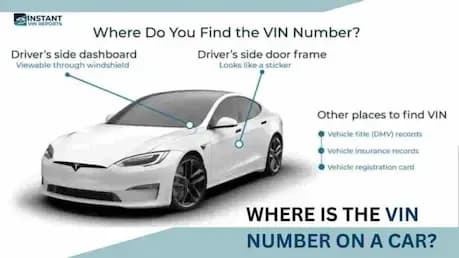
Where to Find the VIN on a Freightliner?
VIN locations can vary a bit by model and year, but Freightliner and industry documentation point to several common spots:
- Driver’s side door jamb or door frame: On many Freightliner trucks, the VIN appears on a printed or stamped label inside the driver’s door opening.
- Dashboard, near the windshield: Stand outside, look through the lower corner of the glass, and you'll see the stamped number there.
- Left frame rail: The VIN can also be stamped into the left frame rail near the front axle, usually a couple of inches from the top edge.
- Under-hood sticker or partition area: Some models place an additional VIN label under the hood, on the top of the partition, or near the cowl area.
- Paperwork and digital records: If the physical VIN is hard to read, you can also find it on the vehicle title, registration papers, insurance documents, and many service invoices.
Need More Than the VIN? Get a Freightliner Vehicle History Report
A Freightliner VIN decoder confirms the truck's original factory specifications. A complete Freightliner vehicle history report shows ownership history, title records, accident reports, service and maintenance records, mileage history, and other important information.
Vehicle Specifications
Review how the Freightliner was originally built, including its model, engine, transmission, axle configuration, cab style, GVWR, manufacturing details, and other factory specifications. This helps verify that the truck matches the seller's description.
Ownership History
View available ownership records, including the number of previous owners, registration history, and ownership duration. Personal information, such as names and addresses, is never included in the report.
Title Status & Branding Records
Check whether the truck has ever received a clean, salvage, rebuilt, flood, junk, or other branded title. These records can reveal significant events that may affect the Freightliner's value, safety, or eligibility for financing and insurance.
Lien & Financial Records
Determine whether a lender currently holds, or previously held, a financial interest in the truck. Verifying lien records helps ensure ownership can be transferred without unexpected financial obligations.
Theft & Recovery Records
Search available databases to determine whether the Freightliner has ever been reported stolen or recovered. When available, the report includes incident dates, locations, and reporting sources.
Safety Recall Information
Review manufacturer-issued and regulatory safety recalls associated with the VIN, including affected components, recall dates, and repair status when available.
Service & Maintenance History
Access available maintenance and repair records, including preventive maintenance, inspections, engine servicing, brake repairs, and other recorded work. A documented maintenance history provides valuable insight into how well the truck has been cared for throughout its service life.
Accident & Damage History
Review reported accidents and damage events, including collision damage, flood damage, fire, rollover incidents, or structural repairs. Available records may include incident dates, locations, and damage severity.
Odometer Readings & Mileage Timeline
Track recorded mileage over time to identify consistent usage patterns and detect potential mileage discrepancies. Unusual gaps or decreases may indicate reporting errors or possible odometer tampering.
Auction & Sales Records
View available auction appearances and historical sales listings, including auction dates, sale prices, listing history, condition reports, and vehicle photographs when available.
Free Freightliner VIN Decoder vs. Paid Freightliner VIN Check
A free Freightliner VIN decoder is a great starting point for checking VIN format and core vehicle specs. For a more in-depth analysis, Instant VIN Reports offers a full history report, which is essential when investing in a Freightliner or adding a truck to a fleet.
Feature | Free VIN Decoder | History Report (Paid) |
|---|---|---|
VIN decoding for all vehicle types | ||
Year, make, model, trim | ||
Full vehicle specifications / detailed car specs | ||
Market value snapshot | ||
Sales listings (current/online ads) | ||
Sales history (timeline of past listings/sales) | ||
Auction records (when available) | ||
Auction history with photos | ||
Mileage during auction/sales (when available) | ||
Odometer rollback checks | ||
Ownership history | ||
Vehicle usage type (personal, fleet, rental, commercial) | ||
Title brand records (salvage, rebuilt, flood, lemon, etc.) | ||
Lien & loan records | ||
Accident & damage history | ||
Theft / stolen records | ||
Flood/hail/fire damage checks | ||
Service/repair records | ||
Warranty status & coverage | ||
Recall information |
How a Vehicle History Report Helps Check Truck Specs
Luca wanted to purchase a used 2013 Freightliner Cascadia from a private seller in Oklahoma. He decided to run a quick check to see its records.
First Impression
Luca saw the truck in good condition; the truck looked nice with no damage. The seller claimed that the truck has clean records and has never been involved in an accident.
What Luca Sees on the Report
This is the information Luca received on the report.
- 1 accident record
- 1 Record(s) of damage
- 3 lien or loan record
- 1 auction record
The Outcome
Luca decided not to purchase the truck because the seller lied, and it also has one accident records and was sold at an auction.
Why Use Instant VIN Reports for a Freightliner VIN Decode?
Whether you're purchasing a used Freightliner, verifying your truck's factory specifications, managing a fleet, or researching an older model, Instant VIN Reports helps you decode the VIN, confirm build information, and estimate its current market value.
Frequently Updated Data
Our database is continuously updated using trusted automotive data sources like Vehicle Databases.
Transparent Pricing
Our Freightliner VIN decoder is free to use. If you need additional records, you can upgrade to a full vehicle history report.
24/7 Customer Support
Need assistance? Our customer support team is available 24/7 to assist you.
Fast Results
Enter any valid Freightliner VIN to view specifications, production details, market value, and other important information in under a minute.
Who Can Benefit From a Freightliner VIN Decoder?
Whether you're buying, selling, operating, servicing, or managing Freightliner trucks, decoding the VIN provides reliable factory information that supports better decisions and reduces costly mistakes.
Buyers
Verify the truck's model year, engine, transmission, axle configuration, cab style, GVWR, and factory equipment before completing a purchase.
Sellers
Share verified factory specifications with prospective buyers to improve transparency, build confidence, and support a smoother sales process.
Dealerships
Confirm Freightliner specifications, validate inventory records, evaluate trade-ins, and accurately list commercial trucks for sale.
Fleet Owners & Owner-Operators
Verify original build information, track vehicle specifications, and ensure every truck in the fleet is equipped for its intended application and operating requirements.
Repair Shops & Restoration Specialists
Access factory specifications to simplify repairs, identify compatible components, order the correct replacement parts, or restore older Freightliner trucks to their original configuration.
Insurance Companies & Vehicle Appraisers
Use VIN-based factory information to support vehicle valuations, underwriting, claims processing, inspections, and commercial truck appraisals.
Decode Classic and Modern Freightliner Models
Instant VIN Reports can decode a wide range of Freightliner trucks, from older classic models to today's commercial vehicles, making it easy to verify factory specifications, production details, and original build information.
| Cascadia | M2 106 Plus | 114SD Plus | 122SD | EconicSD |
| WFT | Powerliner | FLC 120 | FLA / FLB Series | Classic XL |
FAQs on Freightliner VIN Decoder
How many digits does a Freightliner VIN include?
Most modern Freightliner trucks use a 17-character VIN, the same standard used for other vehicles built for the U.S. market since the 1981 model year, as required by federal and international VIN rules.
Older or classic Freightliners built before standardization may have shorter, non-17-digit numbers, but anything recent should have a full 17-character VIN.
Where is the Freightliner VIN?
On most Freightliner trucks, you can find the VIN:
- On a metal plate or sticker on the driver’s side door frame/jamb
- At the base of the windshield on the driver’s side, visible from outside
- Stamped on the left frame rail near or over the front axle
- On the engine-compartment panel or chassis label, depending on the model
These locations are confirmed in Freightliner and industry documentation.
How to decode Freightliner VIN?
To decode a Freightliner VIN, you must know that the VIN is split into three main parts:
- Positions 1–3 (WMI) – identify the manufacturer and country
- Positions 4–8 (VDS) – describe chassis configuration, model, cab, engine/brake group, and more
- Positions 9–17 (VIS) – include the check digit, model year, plant, and the serial number
You can read these positions by hand using official charts, but the easiest way is to run the number through a Freightliner VIN decoder (like Instant VIN Reports), which interprets the codes and shows you the build details and history in plain English
Which VIN digit reveals my Freightliner sleeper cab height?
There isn’t a universal VIN digit that indicates the exact sleeper cab height in inches. In Freightliner, the chassis configuration and cab type are found in positions 4th–6th of the VIN, which must be matched with a factory option chart or build sheet to determine if it’s a mid-roof or high-roof sleeper.
So to see the sleeper configuration or height, you usually:
- Decode the VIN with a professional tool or
- Pull a Freightliner build sheet/window sticker by VIN, which lists the sleeper cab configuration in clear text.
Can I look up my truck specs by VIN number?
Yes, a truck's specifications can be identified using its 17-character VIN. Decoding the VIN reveals factory information such as the engine, transmission, drivetrain, wheelbase, model year, and other key vehicle specifications.
How to decode a Freightliner VIN?
To decode a Freightliner VIN, break the 17-character sequence into its standard sections. The first three characters identify the manufacturer and country of origin, the next six describe the vehicle's specifications, the 10th character indicates the model year, the 11th identifies the assembly plant, and the final six characters represent the vehicle's unique serial number. For a quicker option, simply enter the VIN into the decoder above to view the vehicle's specifications.
How to tell Freightliner model?
To identify a Freightliner model, locate the vehicle's 17-digit VIN on the driver's side door jamb, the lower corner of the windshield, or your registration documents. Decoding the VIN will reveal the model, model year, engine details, and other factory specifications.
How to check code on Freightliner Cascadia?
Fault codes on a Freightliner Cascadia can typically be viewed through the vehicle's dashboard information display using the steering wheel controls or dash buttons. The displayed codes can help identify potential issues that may require further diagnosis or repair.